
Shrubs
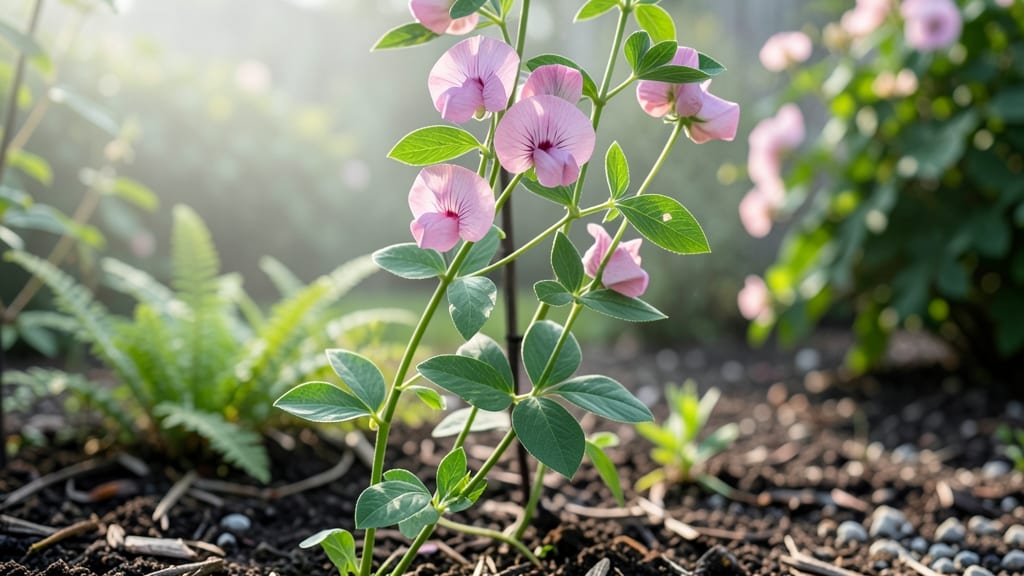
There’s nothing quite like the sight of a pink flowering peach tree in full bloom—its delicate blossoms turning your spring garden into a dreamy pink paradise.
But here’s the secret: with the right pruning techniques, you can coax your 🍑 into a second burst of flowers in late fall, all while keeping those juicy peaches coming.
Most gardeners think pruning is just about shaping the tree, but it’s actually the key to unlocking year-round blooms and heavy fruit production. Whether you’re growing a fruit-bearing variety or just admiring the ornamental beauty, understanding when and how to prune makes all the difference.
In this guide, I’ll walk you through the exact steps to prune your pink flowering peach for maximum blooms—no guesswork, just proven results. You’ll learn the best times to cut, how to balance fruit and flowers, and even how to fix common mistakes that could ruin your tree’s potential.
Ready to transform your peach tree into a showstopper? Let’s get started—your garden (and your taste buds) will thank you!
When and how to prune pink flowering peach trees for maximum blooms
Your pink flowering peach tree thrives when you prune it strategically to encourage both vibrant blooms and juicy fruit. Unlike traditional peach trees, these varieties produce stunning pink blossoms twice yearly—spring and fall—while still bearing fruit.
The key lies in understanding seasonal pruning windows and how to shape your tree for optimal air circulation and sunlight penetration.
Pruning at the wrong time or using improper techniques can reduce flowering or even harm your tree. For example, cutting back too aggressively in late summer can stunt next year’s blooms, while neglecting dead wood invites pests.
My approach focuses on two critical pruning periods: late winter (dormant season) and post-harvest (late summer). Each serves a unique purpose in maintaining your tree’s health and floral display.
Step-by-Step Pruning Guide for Pink Flowering Peach Trees
- 📅 Step 1: Late Winter (Dormant Season)
Prune 2-4 weeks before bud break (typically February-March in Zone 6). Remove dead, diseased, or crossing branches first to improve airflow. - ✂️ Step 2: Shape the Canopy
Open the center of the tree by cutting back 1/3 of older branches to encourage new growth and sunlight penetration. Aim for an open vase shape. - 🌱 Step 3: Thin Overcrowded Branches
Selectively remove competing vertical shoots (water sprouts) to redirect energy to fruit production and flowering. Keep 3-5 main scaffold branches. - 🍑 Step 4: Post-Harvest (Late Summer)
After fruit harvest (August-September), trim lightly to remove suckers and weak growth. Avoid heavy pruning—this stimulates fall blooms. - 🌿 Step 5: Sanitize Tools
Clean pruners with rubbing alcohol between cuts to prevent disease spread. Store tools in a dry place to avoid rust.
When pruning in late winter, focus on structural integrity by removing branches that rub against each other or grow inward. These crossing branches create wounds that attract pests and block sunlight, which your pink flowering peach needs for abundant blooms.
Use sharp bypass pruners for clean cuts—dull tools crush branches, inviting disease.
For post-harvest pruning, keep it minimal. The goal here is to encourage fall blooms without stressing the tree. Remove only dead wood, suckers, and overly vigorous shoots.
Avoid heavy cuts, as they can delay fall flowering or reduce next year’s fruit set. Think of this as a maintenance trim rather than a structural overhaul.
One common mistake gardeners make is pruning in early spring when buds are just swelling. This can remove potential blooms before they open. Instead, wait until after the last frost but before leaves emerge.
In Zone 6, this typically falls in late March. Always check your local frost dates to time it perfectly.
To balance fruit and flowers, prioritize branches with fruit spurs (short, stubby shoots where fruit forms). These are often older wood, so avoid cutting them back hard.
Instead, focus on younger, vigorous branches that compete for energy. A good rule of thumb: Remove no more than 25% of the tree’s canopy in any single pruning session.
Your pink flowering peach tree will reward you with dramatic blooms and sweet fruit when you follow this schedule. Start with dormant-season pruning to set the stage, then lightly maintain post-harvest.
Over time, you’ll develop an eye for which branches to keep and which to remove—balancing aesthetic beauty with productive growth. 🌷
Pro tip: Label branches with colored tape if you’re unsure which to prune. For example, mark fruit-bearing branches with green tape and structural branches with red. This visual cue helps you make confident cuts without second-guessing. ✂️
Best pruning techniques to encourage year-round pink blooms in peach trees
Your pink flowering peach tree can bloom spectacularly twice a year with the right pruning approach. The key lies in balancing fruit production and floral displays through strategic cuts. Unlike standard peach trees, these varieties need selective thinning and crown opening to stimulate those late-season pink blossoms.
Timing is everything—prune dormant season cuts in late winter to remove dead or crossing branches, while summer pruning focuses on water sprout control and light penetration. This dual approach prevents overcrowding and encourages new growth where those pink blooms will emerge.
| Pruning Method | Best For | Bloom Impact | Fruit Impact |
|---|---|---|---|
| Open-Center | Young trees, pink blooms focus | ⭐⭐⭐⭐ (Late fall blooms) | ⭐⭐ (Reduced yield) |
| Vase-Shaped | Mature trees, fruit production | ⭐⭐⭐ (Spring blooms only) | ⭐⭐⭐⭐ (Max yield) |
| Selective Thinning | Balancing blooms and fruit | ⭐⭐⭐⭐ (Year-round) | ⭐⭐⭐ (Moderate yield) |
| Crown Opening | Improving light penetration | ⭐⭐⭐ (Enhances blooms) | ⭐⭐ (Minimal impact) |
For open-center pruning, focus on removing branches from the center to create an open vase shape. This method maximizes air circulation and sunlight exposure, which are critical for those late-season pink blooms. However, it may slightly reduce fruit production, so thin out overlapping branches to maintain balance.
If you prefer a vase-shaped structure, prioritize removing suckers and water sprouts while keeping the outer branches intact. This shape supports heavier fruit loads but may limit repeat blooming in fall. Use selective thinning to strike a balance between aesthetic blooms and fruit-bearing branches.
Don’t forget to address water sprouts—those vigorous, upright shoots that steal energy from blooms and fruit. Prune them back to a side branch or bud to redirect growth toward flower clusters. This simple step can double your pink bloom density in late fall.
Finally, always use sterilized pruning shears to prevent disease spread. A 30% alcohol wipe between cuts keeps your tree healthy, ensuring those vibrant pink flowers return year after year. With these techniques, your peach tree will be a year-round spectacle! 🌷✂️🌳