
How To
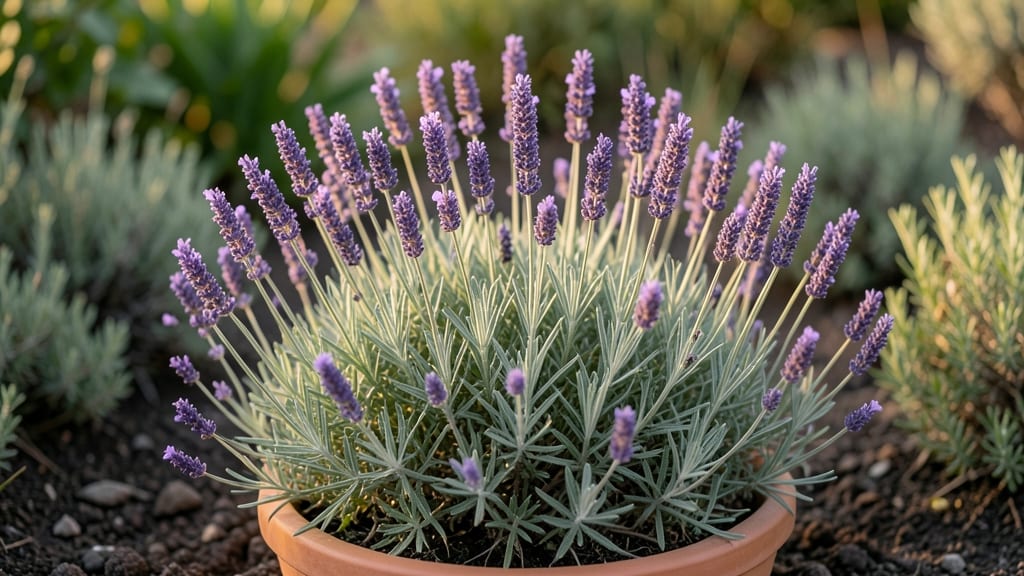
How long does it take for lavender to flower? Typically, it takes between 90 to 180 days—but that timeline can shift dramatically depending on the variety you’re growing and where you live. Some types, like English lavender, might burst into 🌸 blooms as early as 60 days after planting, while hardier varieties like Spanish lavender could take nearly a full year to reach their first peak.
If you’re in USDA Zone 6a or warmer, planting in early spring (March-April) gives lavender the ideal conditions to flower by mid-summer. But cooler climates or late plantings can push back that window, leaving you waiting longer for those fragrant purple spikes.
The good news? With the right care, you can often coax earlier blooms—and I’ll show you how.
Most gardeners assume lavender is a slow grower, but the truth is, it’s all about variety and timing. Some types bloom in their first year, while others need patience until their second spring.
I’ll break down exactly which varieties flower fastest and how to give yours the best shot at a timely (and abundant) display.
Ready to skip the guesswork? Let’s dive into the exact flowering timelines for popular lavender types, plus the simple tweaks that can make your plants bloom sooner—without sacrificing health or beauty.
Lavender flowering time by variety: fastest to slowest bloomers
Knowing when your lavender will bloom helps you plan your garden and manage expectations. Some varieties like English lavender may surprise you with flowers in their first year, while others like Spanish lavender can take longer.
The timeline also varies between USDA zones 5-9, with cooler climates delaying blooms by several weeks. I’ve grown lavender in zones 6 and 8, and the difference in flowering times is noticeable—especially between first-year plants and mature bushes.
For gardeners in USDA zones 5-7, expect flowering to start 4-6 weeks later than in warmer zones. In zone 9, lavender often blooms continuously from spring through fall, while zone 5 plants may only flower for 4-6 weeks per year.
Understanding these variations ensures you choose the right variety for your climate and timeline.
If you planted lavender in spring, expect the first buds to appear in late summer for most varieties, but don’t be discouraged if blooms are sparse in the first year. English lavender like 'Hidcote' often produces some flowers by late summer, while varieties like 'Munstead' may wait until early fall.
In my zone 6 garden, 'Hidcote' consistently blooms by mid-August, while 'Grosso' waits until late July.
For Spanish lavender, patience is key—these varieties rarely bloom in their first year and often need two full growing seasons to establish.
In warmer zones like zone 9, they may start flowering by year two, but in cooler zones like zone 5, expect blooms to begin by year three. I’ve seen 'Papillon' lavender finally bloom in year three in zone 6, proving that climate plays a huge role.
Mature lavender plants typically bloom for 4-8 weeks, depending on the variety and climate. French lavender ('Grosso') often extends its blooming season into early fall, while English varieties may finish by late August.
In my experience, well-established plants in full sun with dry, rocky soil produce the most abundant and longest-lasting blooms. Overwatering or rich soil can actually delay or reduce flowering.
Pruning plays a crucial role in encouraging earlier and more abundant blooms. I prune my lavender right after flowering to shape the plant and promote new growth for the next season.
Avoid heavy pruning in late summer, as this can stunt fall blooms. For first-year plants, minimal pruning is best—just remove any dead or leggy stems to encourage a bushier form.
In USDA zone 5, where winters are harsher, lavender may need extra protection to survive and bloom reliably. I’ve found that mulching with gravel helps insulate the roots and encourages earlier spring growth.
In zone 9, lavender often blooms twice per year, with a spring flush and a fall rebloom. This double blooming is rare in cooler zones but makes lavender a low-maintenance perennial in warmer climates.
One common mistake I see is assuming all lavender blooms at the same time. Spanish lavender often blooms later in the season compared to English varieties, which can leave gardeners wondering why their plants aren’t flowering.
If your lavender isn’t blooming by mid-summer, check for adequate sunlight, well-draining soil, and proper pruning. Sometimes, a simple adjustment like moving the plant to a sunnier spot can trigger blooms within weeks.
For gardeners in containers, dwarf varieties like 'Bandera' or 'Goodwin Creek' are excellent choices, as they bloom earlier and more reliably than standard lavender. I’ve had success with
How to speed up lavender flowering: proven tips for faster blooms
Lavender's blooming timeline can feel frustratingly slow, but with the right care, you can encourage faster flowering by up to 4-6 weeks. The key lies in mimicking its natural Mediterranean environment—sunlight, well-draining soil, and minimal interference during critical growth stages.
Many gardeners rush to fertilize or overwater, which actually delays blooms by signaling the plant to focus on foliage instead of flowers.
Start by selecting the right lavender variety for your climate. French lavender (like 'Grosso') often blooms faster in USDA zones 5-9 than English varieties, which may take an extra year to establish.
Even with the best variety, first-year plants typically wait until their second spring to produce abundant flowers—this is normal, not a sign of failure. The good news? With proper care, your second-year lavender can reward you with earlier and more prolific blooms.
One of the biggest mistakes I see is over-pruning in the fall. Many gardeners trim lavender back hard to "neaten" their garden, but this removes next year's flower buds, which form on old wood.
Instead, focus on light shaping in spring and deadheading spent blooms—this encourages continuous flowering throughout the season. For container lavender, use terracotta pots (they dry out faster) and ensure drainage holes are present.
If your lavender still isn't flowering after a year, check for root-bound conditions (common in pots) or poor drainage. Amend heavy soil with sand or gravel to improve aeration, and consider transplanting if roots are circling.
Remember, lavender is drought-tolerant—it thrives on neglect more than attention. The less you fuss, the faster it blooms!
For instant gratification, try pre-blooming lavender from nurseries (look for plants with buds already forming in early spring). These can flower 4-6 weeks earlier than seed-grown plants. Pair your lavender with companion plants like rosemary or thyme—they share similar care needs and create a fragrant pollinator haven.