
Flowers
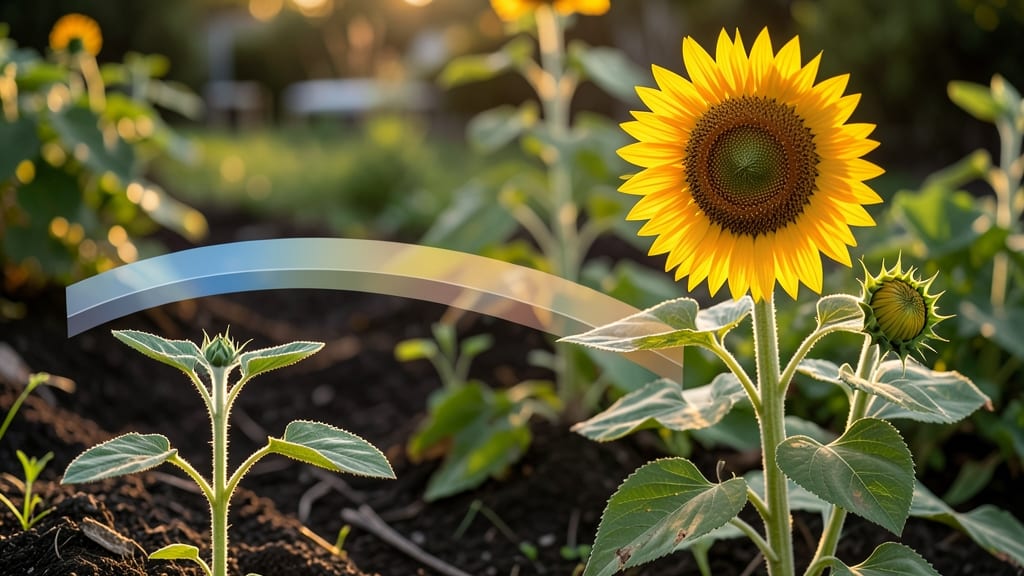
Growing sunflowers is one of the most rewarding gardening experiences—but if you're impatient like me, you'll want to know exactly how long for sunflowers to grow before those cheerful 🌻 faces light up your yard.
The good news? Some varieties bloom in as little as 50 days, while others take up to 120 days to reach their full glory, depending on what you plant and where you live.
For gardeners in USDA Zone 6a, timing is everything. Planting in April or May gives sunflowers the ideal 165 frost-free days to mature, but even a few weeks earlier or later can stretch—or shorten—that timeline.
Whether you're growing towering giants or compact varieties, understanding these growth stages helps you plan for the fastest, most satisfying results.
I’ve tested everything from fast-blooming dwarf varieties to sunflower giants, and I’ll share the secrets to getting those golden centers to appear sooner. From soil prep to sunlight tricks, these tips will help you skip the guesswork and enjoy sunflowers that bloom weeks ahead of schedule—no magic required.
Ready to transform your garden into a sunflower paradise? Let’s break down the exact timeline, the fastest varieties, and the simple steps to make your sunflowers grow like they’re in a race to the sky. Your July harvest of vibrant blooms starts now!

Sunflower growth timeline: from seed to blooming flower
Watching sunflowers grow from tiny seeds to towering golden giants is one of gardening’s most rewarding experiences. But how long does it really take? Most standard sunflower varieties reach maturity in 80 to 120 days, though faster varieties can bloom in as few as 50 days.
Understanding each growth stage helps you predict bloom times and troubleshoot delays caused by poor sunlight or cool temperatures.
The journey begins with germination, typically occurring 7 to 14 days after planting, provided soil stays consistently moist and warm (above 55°F). Once sprouted, sunflowers enter a rapid leaf development phase, where they grow 2 to 4 inches per week under ideal conditions.
This early growth sets the stage for their eventual stem elongation, which can add 2 to 3 feet per month.
| Growth Stage | Timeframe (Days) | Key Milestones | Environmental Needs |
|---|---|---|---|
| Germination | 7–14 | Seed sprouts 1–2 inches | Moist soil, 55°F+ |
| Leaf Development | 14–30 | First true leaves appear | 6+ hours sunlight |
| Stem Elongation | 30–60 | Rapid vertical growth | Warmth, deep watering |
| Bud Formation | 60–90 | Flower buds swell | Full sun, balanced nutrients |
| Flowering | 90–120 | Blooms open fully | Consistent sunlight |
During the stem elongation phase (days 30–60), sunflowers can grow up to 3 inches per day if given optimal sunlight and nutrient-rich soil. This is when their iconic tall stems develop, often reaching 6 to 10 feet in just a few weeks.
Cool temperatures or shady conditions can stunt this growth, delaying the bud formation stage by 2 to 4 weeks.
The bud formation stage (days 60–90) is where sunflowers prepare for their showstopping blooms. You’ll notice swollen buds at the top of the stem, signaling the plant is redirecting energy toward flower development.
This stage is critical for pollination, so avoid using pesticides that could harm bees and other pollinators.
Finally, the flowering stage (days 90–120) is when your patience pays off!
Sunflowers typically bloom in the morning and close by afternoon, especially in hot climates. Dwarf varieties like 'Teddy Bear' may bloom faster (50–60 days), while giant varieties like 'Russian Giant' can take up to 140 days to reach their full 12-foot height.
Environmental factors play a huge role in speeding up or slowing down growth. Full sun exposure (6+ hours daily) accelerates development, while partial shade can extend the timeline by 30% or more.
Similarly, warm soil temperatures (above 60°F) encourage faster germination, whereas cool springs may delay sprouting by 1 to 2 weeks. Proper soil drainage also prevents root rot, which can halt growth entirely.
To ensure your sunflowers hit their full growth potential, start seeds indoors 4 to 6 weeks before your last frost date, or direct-sow after soil warms.
Thin seedlings to 12 to 24 inches apart to give roots room to spread, and fertilize lightly with a balanced 10-10-10 mix every 4 to 6 weeks during the growing season. With the right care, you’ll go from tiny seeds to sunlit blooms in record time!
🌻
Fastest sunflower varieties that bloom in under 70 days
If you're eager to see sunflowers brighten your garden, some varieties bloom faster than others. The fastest sunflowers can go from seed to flower in as little as 50 days, perfect for late-season plantings or impatient gardeners.
These quick-blooming types also make excellent choices for cut flowers and bird feeders since they produce seeds quickly.
Choosing the right variety depends on your goals—whether you want tall stems for bouquets or compact plants for containers. Below, I’ve compared the top fastest-growing sunflowers, including their bloom times, ideal planting windows, and best uses, so you can pick the perfect fit for your garden.
'Teddy Bear' is the fastest variety, blooming in just 50-55 days and reaching only 1-3 feet tall, making it ideal for containers or small gardens. Its double-petaled blooms resemble pom-poms and are perfect for cut flowers or adding whimsy to borders. Plant these in late spring for summer blooms.
'Moulin Rouge' is a close second, with 55-60 days to bloom and a 3-5 foot height, striking a balance between speed and stature. Its deep red petals make it a showstopper for bird feeders or vase arrangements. This variety thrives in full sun and tolerates drought once established, so it’s low-maintenance.
'Autumn Beauty' takes slightly longer at 60-70 days but rewards you with multi-colored blooms (yellow, red, and green) that transition beautifully in fall. Standing 5-6 feet tall, it’s great for backyard borders or cutting gardens. Plant it in early summer for late-season color.
For edible seeds, all three varieties work, but 'Teddy Bear' produces the smallest seeds, while 'Autumn Beauty' yields the most abundant harvest. If you’re short on space, prioritize 'Teddy Bear'; if you want height and drama, go for 'Autumn Beauty'. 🌻