
Shrubs
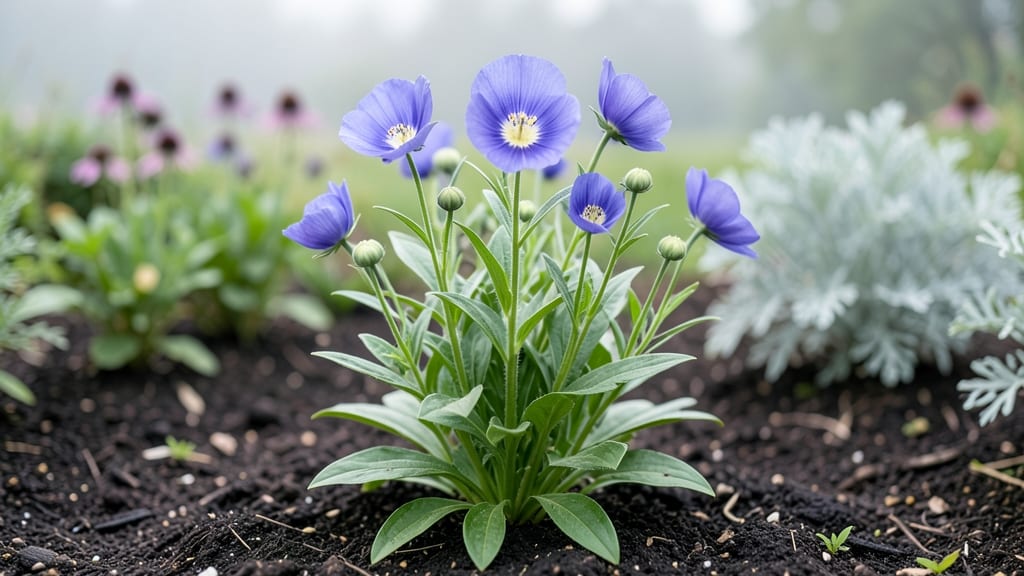
Wondering whether your Balloon Flower 🌸 thrives better in sun or shade? The truth is, these stunning blue beauties are far more adaptable than you might think—but getting their light just right makes all the difference between vibrant blooms and struggling stems.
Too much harsh afternoon sun can leave your Platycodon grandiflorus looking wilted, while too little light might mean fewer flowers. The key lies in finding that sweet spot where they get enough brightness to flourish without getting stressed.
Let me show you exactly how to balance their light needs for the most spectacular display.
Whether you're working with a sunny patio, a shady corner, or even a mix of both, I'll break down the best conditions for your zone 6a garden. You'll learn how to spot signs of light stress, adjust their placement seasonally, and keep those July-September blooms coming back year after year.
Ready to transform your garden into a balloon flower paradise? Let's dive into the simple secrets that'll have your plants reaching for the sky—without the guesswork.
 Best Window Placement
Balloon flower sun requirements: ideal light conditions for thriving plants
Balloon flowers (Platycodon grandiflorus) thrive with 4 to 6 hours of sunlight daily, but their needs vary by climate. In cooler zones, they handle full sun exposure beautifully, while hotter regions require morning sun and afternoon shade to prevent stress.
Understanding these nuances ensures vibrant blooms and healthy foliage all season long.
For gardeners in USDA Zones 3-7, balloon flowers adapt well to partial shade, especially in areas with intense afternoon sun. This flexibility makes them perfect for urban gardens, north-facing yards, or shaded borders.
However, too little light leads to leggy growth and sparse blooms, while excessive sun can cause leaf scorch and wilting.
Here’s a quick reference for their light needs:
| Light Condition | Sunlight Hours | Best For | Signs of Stress |
|---|---|---|---|
| Full Sun | 6+ hours | Cooler climates (Zones 3-5) | Leaf scorch, crisp edges |
| Partial Sun | 4-6 hours | Hot climates (Zones 6-9) | Leggy stems, few blooms |
| Partial Shade | 2-4 hours | Urban gardens, north-facing | Pale leaves, slow growth |
In hot, dry climates (Zones 8-10), balloon flowers perform best with morning sun and afternoon shade. This schedule mimics their natural habitat in woodland edges, where they receive dappled sunlight. To achieve this, plant them near tall shrubs or trees that provide filtered shade after 2 PM.
If your balloon flowers show yellowing leaves or brown tips, they’re likely getting too much direct sun. Move them to a shadier spot gradually—avoid sudden changes, which can shock the plant.
For leggy growth or weak stems, increase sunlight exposure by thinning nearby foliage or relocating the plant to a sunnier area.
Container gardeners should place balloon flowers within 3 feet of an east-facing window for bright indirect light. South-facing windows may require sheer curtains to diffuse harsh rays, especially during peak summer hours. Rotate containers weekly to ensure even light exposure on all sides.
For newly planted balloon flowers, start with 3-4 hours of morning sun and monitor their response. If leaves remain dark green and firm, gradually increase sunlight by 1 hour per week. Avoid placing them in deep shade, as this reduces flowering and weakens stems over time.
In high-altitude gardens (above 5,000 feet), balloon flowers tolerate more direct sun due to cooler temperatures. Here, 6 hours of full sun is ideal, but ensure soil stays moist but well-draining to prevent root rot. Mulch with 2-3 inches of organic matter to retain moisture and regulate soil temperature.
Signs of light stress include crispy leaf edges, bleached spots, or drooping blooms. To correct these issues, adjust their location or use lightweight shade cloth (30-50%) during the hottest part of the day. Prune affected leaves to redirect energy to new, healthy growth.
With the right light balance, your balloon flowers will reward you with prolonged blooms from midsummer to fall. Experiment with their placement—whether in full sun borders, partial shade gardens, or containers—to find the perfect spot for your climate. Happy gardening! 🌸
Shade tolerance of balloon flowers: when and how to protect them
Balloon flowers (Platycodon grandiflorus) thrive in partial shade, making them perfect for urban gardens or north-facing yards where direct sunlight is limited. Too little light causes leggy growth and sparse blooms, while too much can scorch delicate foliage.
Understanding the difference between dappled shade and filtered shade is key to protecting these beauties without stunting their potential.
In high-heat regions, afternoon shade becomes critical to prevent wilting. Even in cooler climates, morning sun exposure (3-4 hours) boosts flowering while protecting leaves from harsh afternoon rays.
Urban gardeners often face challenges with reflective surfaces like pavement, which can amplify heat—adding shade cloth or taller companions helps mitigate this.
Shade Solutions for Balloon Flowers
Dappled Shade
- ✅ Best for: Morning sun + afternoon shade
- ✅ Benefits: Mimics natural forest light
- ✅ Companions: Tall grasses, shrubs
Filtered Shade
- ✅ Best for: Hot climates, urban areas
- ✅ Benefits: Reduces leaf scorch
- ✅ Companions: Ferns, hostas, astilbes
Avoid
- ❌ Deep shade: Stunts blooms
- ❌ No shade: Risk of leaf burn
- ❌ Reflective surfaces: Overheats soil
For urban gardens, consider planting balloon flowers near tall perennials like delphiniums or hollyhocks, which provide natural shade while complementing their height. In north-facing yards, supplement with a reflective mulch (like white gravel) to bounce light onto foliage.
This trick works wonders for container gardens too—place pots near light-colored walls to maximize indirect light.
Identifying underlighting issues early is crucial. Look for yellowing leaves or stems stretching toward light—these are red flags. If you spot them, gradually introduce morning sun over 2-3 weeks to avoid shocking the plant.
In high-heat zones, a 50% shade cloth during peak afternoon hours (1 PM–4 PM) can save your plants from stress while still allowing enough light for blooming.
Companion planting is a game-changer. Pair balloon flowers with ferns or hostas to create a microclimate with cooler, shaded roots. Avoid planting near competitive species like sunflowers, which can steal sunlight. Instead, opt for low-growing ground covers like creeping thyme to retain moisture and provide gentle shade at the base.
Remember, balloon flowers are adaptable but need balance. Whether you're dealing with a shady city balcony or a sun-baked patio, the key is monitoring their response and adjusting gradually. With the right shade strategy, you'll enjoy vibrant blooms from early summer to fall—just like in the catalog! 🌸