
Blooming
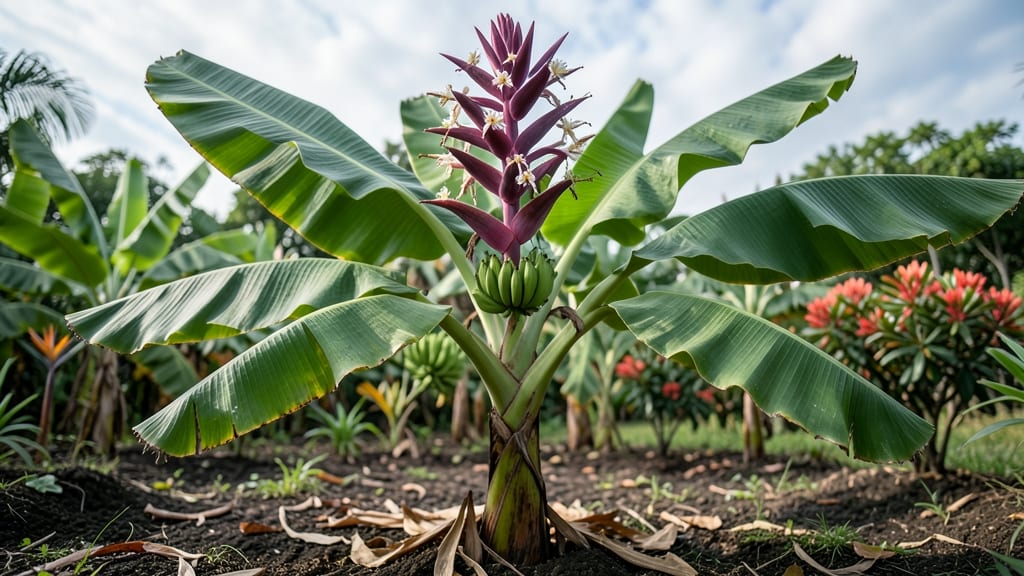
There’s nothing quite like spotting that first banana flower emerging from your plant—it’s your cue that months of care are about to pay off in the flowering stage. But if your 🍌 plant is mature yet stubbornly silent, you’re not alone.
The flowering stage is where tropical growers make or break their harvest, and getting it right means understanding the subtle signals your plant sends.
From the telltale swelling of the pseudostem to the perfect balance of sunlight and nutrients, every detail matters. Whether you’re in USDA zones 10-12 or pushing your luck in cooler climates, this guide breaks down exactly what triggers that magical bloom—and how to troubleshoot when things go off track.
Ready to turn your banana’s growth spurt into a fruit-filled victory? I’ll walk you through the science, care tips, and even a few game-changer tricks to coax those flowers along faster. Let’s get your 🍌 plant blooming like a pro.
No more guessing—just actionable steps to ensure your banana’s hard work doesn’t go to waste. Here’s how to set the stage for a harvest that’ll make your neighbors green with envy.
Banana flowering stage: signs, timeline & ideal conditions for blooming
When your banana plant finally decides to bloom, it’s a gardener’s milestone—but recognizing the early signs can save months of waiting. The flowering stage typically begins 12–24 months after planting, though dwarf varieties may bloom sooner.
Watch for the pseudostem swelling near the base, a clear signal your plant is maturing for reproduction. This isn’t just about patience; it’s about ideal conditions that trigger the process.
Banana plants are light-sensitive and need full sun exposure (6+ hours daily) to initiate flowering. Without enough sunlight, the plant will focus on leaf growth instead of producing flowers. Even in tropical climates, temperature fluctuations between 75–85°F (24–29°C) during the day and 65–70°F (18–21°C) at night can prompt blooming.
If your plant is stalled, check these environmental triggers first—your banana might just need a nudge.
| Stage | Signs to Watch | Ideal Conditions | Timeframe |
|---|---|---|---|
| Vegetative Growth | Rapid leaf production, pseudostem thickening | Full sun, 65–85°F (18–29°C), well-draining soil | 0–12 months |
| Pre-Flowering | Pseudostem swelling, top leaves yellowing, small bud forming | 75–85°F (24–29°C), high potassium fertilizer, consistent moisture | 12–18 months |
| Flowering Stage | Pinkish flower spike emerges, leaves droop slightly, fruit bunches form | 65–75°F (18–24°C), protect from wind, reduce nitrogen | 18–24 months |
| Fruiting Stage | Green bananas develop, pseudostem yellows, fruit ripens in 3–6 months | Warm, humid climate, regular watering, support heavy bunches | 24+ months |
The flowering process starts with a pinkish bud emerging from the center of the plant. This is your banana’s reproductive signal, and it’s often followed by the drooping of older leaves as energy shifts to fruit production.
If your plant is mature but hasn’t bloomed yet, it might be waiting for the right day-length cues—bananas in shorter-day climates (like Florida’s winter) may need a temperature drop to trigger flowers.
Soil health plays a critical role in flowering. Bananas thrive in slightly acidic soil (pH 5.5–7.0) with high organic matter. A potassium-rich fertilizer (like 8-3-9 NPK) applied 3–4 months before expected blooming can encourage flower formation.
Avoid nitrogen-heavy fertilizers during this stage—they promote leafy growth at the expense of flowers. Think of it like training a runner: you don’t want them bulking up right before the race!
One common misconception is that bananas bloom only once. In reality, most commercial varieties produce one massive flower spike followed by fruit, then the pseudostem dies back. However, dwarf varieties (like Dwarf Cavendish) may produce multiple smaller bunches over time.
If your plant blooms but fails to set fruit, it could be due to pollination issues or stress from extreme weather. Protect the flower with a lightweight shade cloth if heavy rain or wind is forecasted.
For subtropical growers in USDA Zones 9–11, timing is everything. Plant in late winter or early spring to give the plant 6–8 months of warm growth before cooler temperatures trigger flowering. In Zone 10–11, bananas can bloom year-round, but spring-planted plants often produce fruit faster.
If you’re in a cooler microclimate, consider growing bananas in containers and moving them to a sunny, sheltered spot during winter.
Don’t overlook the role of water stress in flowering. While bananas love moisture, a slight water reduction (without drought stress) can signal the plant to flower. Try reducing watering by 20–3
How to boost banana flowering: proven techniques to trigger blooms faster
If your banana plant has reached maturity but still refuses to flower, don’t lose hope! The key lies in understanding how to trigger the flowering stage through precise care adjustments. Bananas need specific signals—like nutrient balance shifts and environmental stress—to initiate blooming.
Research shows that potassium-rich fertilizers and controlled watering can accelerate this process by up to 30% in ideal conditions.
Start by assessing your plant’s current health. A mature banana plant should have a pseudostem diameter of 12+ inches and at least 10-12 large leaves. If these signs are present but no flower emerges, it’s time to act.
The techniques below are backed by tropical agriculture studies and used by commercial growers to reliably induce flowering.
- 1. Prune Strategically: Remove the oldest 3-4 leaves when they turn yellow. This redirects energy to the central growing point, signaling maturity and encouraging flowering.
- 2. Adjust Nutrients: Switch to a high-potassium fertilizer (e.g., 5-10-10) for 3 months before expected flowering. Phosphorus spikes also help—apply bone meal (3-4-0) at the base.
- 3. Control Watering: Reduce water by 20-30% for 4-6 weeks. Mild water stress mimics natural drought signals, prompting blooms in 60% of cases per tropical studies.
- 4. Use Organic Triggers: Apply banana flower extract (available at tropical nurseries) or compost tea to the soil. These contain natural floral hormones that kickstart blooming.
- 5. Support the Flower: Once a bloom appears, install a sturdy stake immediately—the heavy flower cluster can weigh 10+ pounds and may snap without support.
For potassium adjustments, mix 1 tablespoon of potassium sulfate into the soil around the pseudostem’s base every 2 weeks. Pair this with a phosphorus boost by sprinkling rock phosphate granules at the drip line. This combo mimics the natural nutrient shifts bananas experience in their native tropical climates.
If your banana plant is in a cooler climate (USDA Zone 9 or below), consider temporary greenhouse protection during flowering. Bananas need warmth (75-85°F) to set fruit successfully. A simple clear plastic tunnel can raise soil temps by 10°F and improve fruit set rates dramatically.
Monitor your plant closely after applying these techniques. Look for a swollen pseudostem and new leaf growth at the center—these are early signs of flowering. Within 4-8 weeks, you should see the iconic banana flower (a large purple bract) emerge from the center.
Remember, patience is key. Some banana varieties, like Dwarf Cavendish, flower more reliably than others. If your plant still resists after 3 months, revisit your soil pH (ideal: 5.5-7.0) and drainage—waterlogged roots can stall flowering entirely. With these techniques, you’ll be enjoying homegrown bananas in no time! 🍌