
Blooming
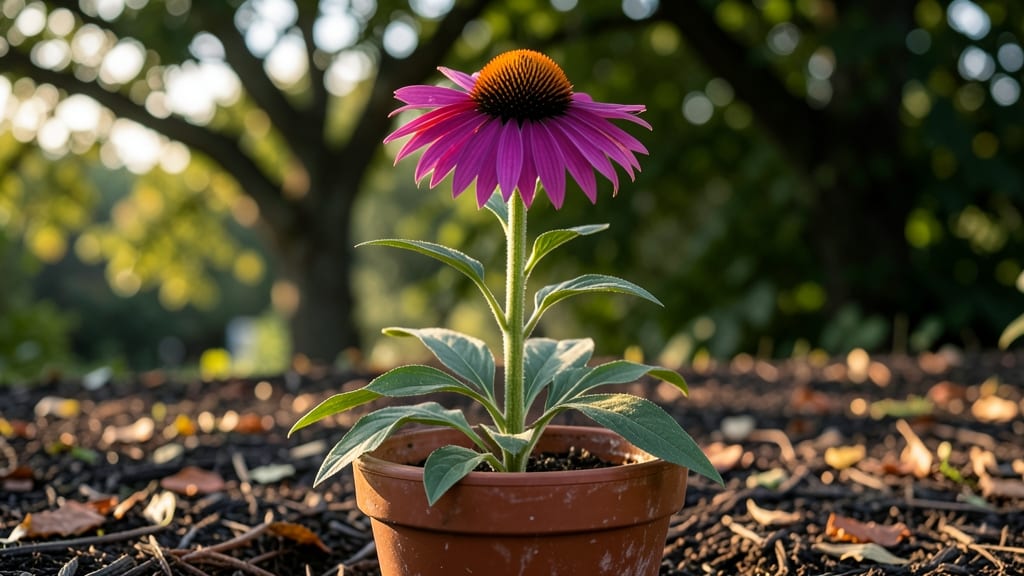
If you're eager to see your garden transform into a buzzing, colorful haven, timing the coneflower bloom season just right is everything. These hardy 🌼 beauties don't just add vibrant purple, pink, and yellow splashes—they turn your yard into a magnet for butterflies and hummingbirds.
For most gardeners in USDA Zone 6a, the magic happens from late summer through fall, but timing can shift based on your variety and climate.
Whether you're a first-time planter or a seasoned gardener, knowing when to expect those cheerful blooms—and how to coax them to last longer—makes all the difference.
I’ll break down exactly when your coneflowers will peak, how to extend their showstopping display, and which varieties keep blooming the longest. With a few simple tricks, you can enjoy months of color instead of just a few weeks.
Ready to turn your garden into a nonstop floral spectacle? Let’s dive into the secrets of making every season your coneflower’s prime time.
Coneflower bloom season by region: when and how long they flower
Timing your coneflower planting to align with your region’s bloom season is the key to unlocking months of vibrant color and wildlife activity. Coneflowers (Echinacea) typically thrive in USDA hardiness zones 5-9, but their bloom timing shifts dramatically depending on where you garden.
Understanding these regional differences helps you choose the right varieties and care strategies to maximize your blooms.
Most coneflowers bloom from late summer to early fall, but some varieties extend their show into October or even November in warmer zones. Others, like early bloomers, may start as early as June in southern climates.
The length of bloom also varies—some varieties flower for just 4-6 weeks, while others, especially reblooming types, can produce flowers for 8-10 weeks or more.
In Zone 5, where winters are harsh, coneflowers often bloom later in the year—starting in mid-July and lasting until early October. This timing aligns with the region’s cooler summers, where plants focus energy on establishing roots before flowering.
If you’re in Zone 6, you’ll see an earlier start in early July with blooms extending into mid-October, giving you a longer window for pollinators like butterflies and hummingbirds.
Gardeners in Zone 7 enjoy the sweet spot for coneflowers, with blooms beginning as early as late June and lasting until late October. This extended season is ideal for creating a continuous bloom garden.
Varieties like 'White Swan' or 'Hot Papaya' thrive here, often producing a second flush of flowers in fall if deadheaded regularly.
For those in Zones 8 and 9, coneflowers are true superstars. In these warmer climates, blooms can start as early as May and continue through November or even December in Zone 9.
This extended season is partly due to milder winters and longer growing periods. Reblooming varieties, such as 'Magnus' or 'Cheyenne Spirit', are particularly well-suited for these zones, often producing three or more bloom cycles in a single season.
Choosing the right coneflower variety for your zone can dramatically extend your bloom season. For example, early bloomers like 'Green Envy' start in June and are perfect for Zones 7-9.
Meanwhile, late-season varieties like 'Sombrero Salsa' shine in Zones 5-7 and keep flowering well into October. Mixing these varieties in your garden ensures a non-stop display from summer through fall.
One of the biggest misconceptions about coneflowers is that they bloom just once per season. While traditional varieties may produce a single flush of flowers, many modern hybrids—especially those labeled as reblooming—can produce multiple bloom cycles
How to extend coneflower bloom season with simple gardening hacks
Want your coneflowers (Echinacea) to bloom longer and brighter? The secret lies in a few simple gardening hacks that encourage continuous flowering. By focusing on deadheading, soil health, and watering strategies, you can transform your garden into a pollinator paradise that lasts from summer into fall.
Many gardeners overlook the fact that coneflowers are perennials with the potential to rebloom if given the right care. With proper maintenance, you can extend their bloom season by 4-6 weeks or more. Let’s dive into the easiest ways to make this happen without extra effort.
- 1 Deadhead Regularly – Snip off spent blooms at the base to redirect energy to new flowers. Use clean pruning shears and remove only faded heads, leaving foliage intact.
- 2 Amend Soil with Compost – Coneflowers thrive in well-draining soil rich in organic matter. Mix 2-3 inches of compost into the topsoil before planting or top-dress annually for continuous nutrients.
- 3 Water Deeply but Infrequently – Aim for 1 inch of water per week, delivered in the early morning. Avoid overhead watering to prevent fungal diseases like powdery mildew, which can stress plants and shorten bloom time.
- 4 Plant Companion Flowers – Pair coneflowers with bee balm, black-eyed Susans, or salvia to attract more pollinators. This creates a positive feedback loop—more pollinators mean better fertilization and longer bloom cycles.
- 5 Fertilize Lightly in Spring – Apply a balanced 10-10-10 fertilizer in early spring to encourage robust growth. Avoid heavy feeding in summer, as it can lead to leafy growth over blooms.
Don’t forget to mulch around your coneflowers with 2-3 inches of organic mulch like straw or shredded leaves. This helps retain moisture, regulate soil temperature, and suppress weeds—all of which contribute to healthier plants and longer blooming.
For reblooming varieties like Echinacea 'Magnus' or 'White Swan', a mid-summer trim can stimulate a second flush of blooms. Simply cut back 1/3 of the plant height after the first wave of flowers fades, and watch for new buds in 4-6 weeks.
With these simple adjustments, your coneflowers will reward you with vibrant color and pollinator activity well into fall—keeping your garden lively and full of life long after other flowers have faded. Happy gardening! 🌼