
Blooming
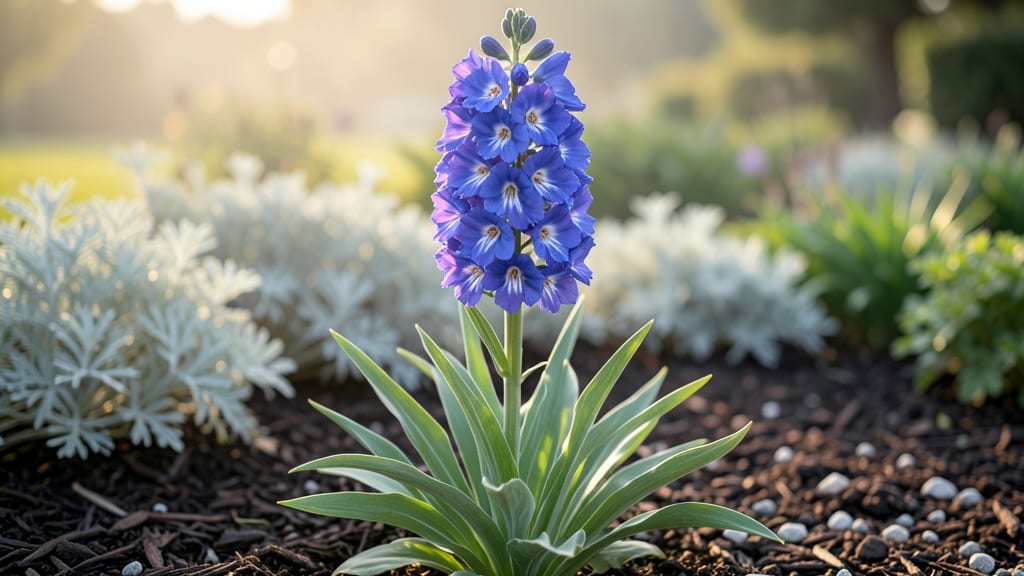
Timing your delphinium flower blooms isn't just about luck—it's a science of chill hours and heat zones that can make or break your perfect summer display.
These dramatic 🌸 spikes need precise conditions to wake from dormancy, and getting it wrong might leave you staring at bare stems for another year.
If you're in USDA Zone 6a or warmer, your delphiniums typically burst into color between June and August, but cooler regions can push that window back by weeks.
The key? Planting in March-April after the last frost—too early, and frost will set them back; too late, and you might miss the bloom entirely.
Don't assume all delphiniums bloom at the same time—some varieties need more chill hours than others, while others thrive in heat. I’ll break down exactly how to match your climate, soil, and even companion plants to coax those 🌸 spikes into action when you want them.
Ready to turn your garden into a summer spectacle? Let’s dive into the secrets of delphinium flower bloom time—because with the right timing, you’ll have blooms that last from June through August and beyond.
Understanding delphinium chill hours & heat Zones for optimal bloom timing
Delphiniums are prized for their towering blue spires, but their bloom timing depends on two critical factors: chill hours and USDA heat zones. These cool-season perennials need a period of dormancy to trigger flowering—skip the chill, and you might wait years for those dramatic spikes to appear.
Let's break down how climate zones influence when (and if) your delphiniums will burst into color.
First, chill hours refer to the cumulative hours below 45°F (7°C) that delphiniums need to break dormancy. Most varieties require 600-1,000 chill hours, though some modern hybrids tolerate as few as 300 hours.
If you live in a warm climate like USDA Zone 8 or 9, you’ll need to plant early-spring bloomers or use artificial chilling techniques to mimic winter conditions.
Next, heat zones determine your bloom window. Delphiniums thrive in Zones 3-9, but their timing shifts dramatically. In cooler zones (3-5), blooms typically appear in late spring to early summer, while warmer zones (7-9) may see flowers stretch from summer into fall.
The key is matching your planting season to your zone’s frost patterns and heat tolerance.
Here’s how chill hours and heat zones interact to set your delphinium bloom schedule. The table below shows typical bloom windows by zone, along with planting strategies to maximize success.
| USDA Zone | Chill Hours Needed | Optimal Planting Time | Bloom Window | Key Strategy |
|---|---|---|---|---|
| Zones 3-5 | 800-1,000 hours | Early spring (March-April) | Late May - July | Plant bare-root in early spring; mulch heavily for winter. |
| Zones 6-7 | 600-800 hours | Fall (Sept-Oct) or early spring | June - August | Fall planting ensures earlier blooms; stake tall varieties. |
| Zones 8-9 | 300-500 hours | Late winter (Jan-Feb) | July - September | Use cool-season varieties; provide afternoon shade in peak heat. |
In Zones 3-5, where winters are long and cold, delphiniums naturally accumulate enough chill hours to bloom reliably in late spring.
Plant bare-root crowns as soon as the ground thaws—typically March or April—to give roots time to establish before summer heat arrives. Mulch heavily in fall to protect roots during harsh winters, which also helps meet chill hour requirements.
For Zones 6-7, where winters are milder, you have flexibility. Fall planting (September-October) is ideal because it lets the plants experience winter chill before blooming the following summer.
If you miss this window, early spring planting still works, but you may need to stake tall varieties to prevent flopping in wind or rain. These zones often see longer bloom periods because summer heat isn’t as intense.
Gardeners in Zones 8-9 face the biggest challenge: insufficient chill hours. Most traditional delphiniums won’t bloom without 600+ hours below 45°F, so opt for heat-tolerant hybrids like 'Pacific Giant' or 'Black Knight'.
To boost chill hours artificially, store potted delphiniums in a garage or unheated shed for 6-8 weeks during winter. Plant in late winter (January-February) to align blooms with summer’s cooler months.
Regardless of your zone, soil temperature plays a hidden role in bloom timing. Delphiniums won’t sprout until soil reaches 50°F (10°C), so in cold zones, wait until after the last frost to plant.
In warmer zones, use row covers to protect young plants from heat stress, which can delay flowering. Always choose a well-draining, slightly alkaline soil (pH 6.5-7.5) to prevent root rot, a common issue that stalls growth.
One <
How to time delphinium planting for maximum summer blooms (by region)
Timing your delphinium planting is everything—these tall, showy bloomers need just the right balance of chill hours and warm-season growth to reward you with summer-long color. In USDA Zones 3-5, cool springs delay planting, while Zones 7-9 face heat stress if sown too early.
The key? Match your local frost dates with delphinium dormancy needs—typically 60-90 chill hours—to trigger robust blooms.
For spring planting, aim to sow seeds 4-6 weeks before your last frost date (usually March-April in most regions).
In warmer climates (Zones 8-9), fall planting—8-10 weeks before first frost—lets seedlings establish roots before summer heat arrives. Soil temperature matters too: seeds need 50-60°F soil to germinate, while transplants thrive in 60-70°F ground.
- 🌡️ Zones 3-5: Plant spring seeds in April-May (after last frost) for July-August blooms.
- 🌿 Zones 6-7: Sow fall seeds in September or spring seeds in March for June-July peaks.
- ☀️ Zones 8-9: Plant fall transplants in October-November for spring blooms (May-June) and summer reblooms.
- ⏰ Pro Tip: Deadhead spent blooms to extend flowering by 4-6 weeks.
- 🌱 Companion Plants: Pair with rudbeckia or salvia to attract pollinators and lengthen bloom time.
Before planting, prep your soil like a pro: delphiniums hate soggy roots, so amend clay-heavy soil with compost and perlite for well-draining conditions. A pH of 6.5-7.0 ensures they absorb phosphorus for strong roots and potassium for vibrant blooms.
Work in bone meal at planting time to jumpstart flowering—this high-phosphorus fertilizer is a delphinium secret weapon.
For extended summer color, time your second planting 6-8 weeks after the first. In Zones 5-7, this means a late-June sowing for September-October blooms.
Stake your tall spikes early (they can reach 5-6 feet!) and mulch heavily to retain moisture—drought stress causes buds to drop like bad habits.
In humid climates (Zones 7-9), prioritize airflow to prevent powdery mildew, a common delphinium nemesis. Space plants 18-24 inches apart and avoid overhead watering. If your summer heat exceeds 90°F, provide light shade during peak afternoon sun to protect delicate blooms from scorching.
Remember: Patience pays off with delphiniums. First-year plants often focus on root growth and may bloom lightly, but year-two plants deliver showstopping spikes if given the right start. With perfect timing and consistent care, your garden will be the talk of the neighborhood by mid-summer! 🌸