
Light Requirements
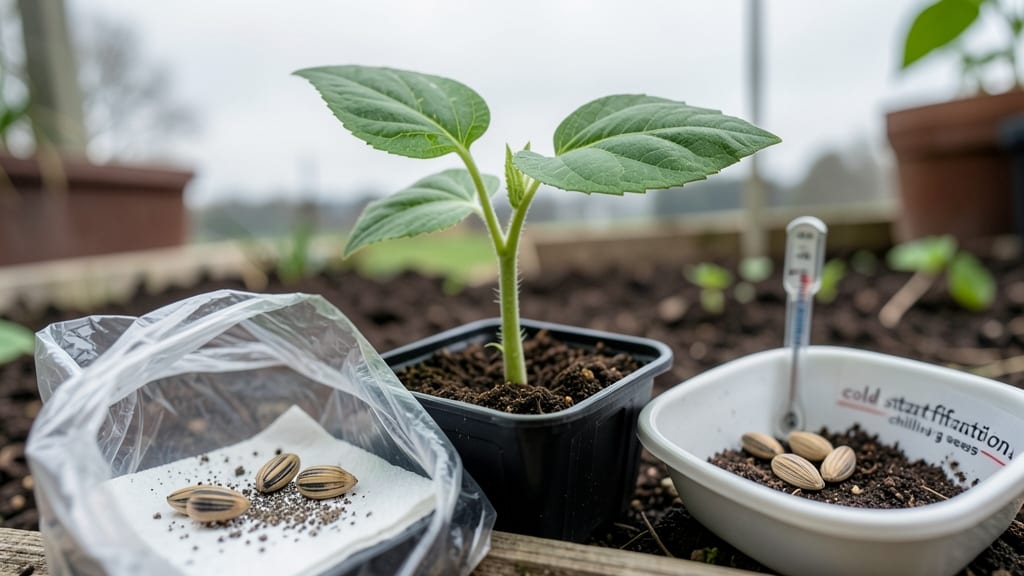
If you're wondering whether do sunflower seeds need cold stratification, here's the truth: it isn't just unnecessary—it could actually slow down your germination. Most sunflower varieties thrive without this extra step, and forcing them through cold treatment might leave you waiting longer for those cheerful blooms to pop up.
The good news is that sunflowers are one of the easiest seeds to grow, especially in zones like 6a where spring planting kicks off in April. Unlike some finicky flowers, they don't need that winter-like dormancy break to wake up.
In fact, skipping stratification lets you get a head start on your spring garden without the hassle.
But what if you're still seeing slow results? The secret isn't cold treatment—it's about timing and technique. We'll show you the fastest, foolproof methods to get your sunflowers sprouting in record time, whether you're direct-sowing in May or starting indoors. No science degree required.
Ready to cut through the confusion and grow sunflowers like a pro? Let's dive into what actually works—and what might be holding your seeds back from reaching their full potential.
What is cold stratification and do sunflower seeds actually need it?
Cold stratification is a natural process where seeds undergo a period of cold, moist conditions to break dormancy and trigger germination. Many wild plants rely on winter’s chill to signal safe planting conditions, which is why gardeners mimic this process for seeds like peaches or tomatoes.
But here’s the key question: do sunflower seeds need this extra step? The short answer is no, but let’s unpack why—and when exceptions might apply.
Sunflowers (Helianthus annuus) are non-hardy annuals that evolved in warm climates, where their seeds naturally germinate when soil warms in spring. Unlike northern wildflowers or tree seeds, sunflower seeds typically don’t require cold stratification to sprout.
In fact, subjecting them to cold can sometimes delay germination or reduce viability, especially for commercial hybrids bred for fast growth.
That said, cold stratification isn’t harmful—it’s just unnecessary for most sunflower varieties. The real risk comes from over-stratifying or using improper methods, which can weaken seeds or encourage mold.
For the average gardener, skipping this step and focusing on warm soil temps (50–90°F) and proper moisture is far more effective.
Here’s the science: Sunflower seeds have a hard seed coat that resists water absorption, but this isn’t the same as dormancy caused by cold. Instead, their germination depends on mechanical scarification (like nicking the seed) or simply warm, moist conditions.
This is why many gardeners see faster results by soaking seeds overnight or planting directly in well-warmed soil.
| Seed Type | Cold Stratification Needed? | Best Germination Method | Soil Temp for Sprouting |
|---|---|---|---|
| Commercial Sunflower Seeds | ❌ No | Direct sow in warm soil (50°F+) | 50–90°F (10–32°C) |
| Heirloom/Organic Varieties | ⚠️ Rarely (see exceptions) | Soak 4–12 hours or scarify | 55–85°F (13–29°C) |
| Northern-Climate Sunflowers | ❌ No (but faster in warm soil) | Use black plastic mulch to warm soil | 60–80°F (16–27°C) |
| Wild Sunflower Seeds | ❌ No (often slower without warmth) | Plant in containers indoors (70°F+) | 70–90°F (21–32°C) |
If you’re still unsure, think about your local climate. In USDA Zones 3–5, where springs are cooler, sunflowers may germinate slower naturally—but this isn’t because they need cold.
Instead, the soil stays cold longer, delaying sprouting. The fix? Use row covers or black plastic mulch to warm the soil faster, rather than refrigerating seeds.
One exception worth noting: Some heirloom sunflower varieties, particularly those from high-altitude regions (like Helianthus annuus ‘Russian Giant’), may have slightly thicker seed coats. For these, a 48-hour soak in warm water can mimic scarification better than cold.
But even then, cold stratification won’t help—it’s the warmth that breaks dormancy.
For container gardening, where soil heats up faster, stratification is almost never needed.
In fact, I’ve grown sunflowers in patio pots in Zone 6 by simply planting seeds in well-draining mix and keeping them under a grow light until soil temps hit 60°F. The seeds sprouted in just 5–7 days—no cold required!
Pro tip: If you’re testing seeds for viability, skip stratification entirely. Instead, place a damp paper towel with seeds in a warm, sealed bag for 3 days. If they sprout, they’re ready to plant—no cold needed. This method works for 90% of sunflower seeds and saves time.
Bottom line: Cold stratification is a waste of time for sunflowers unless you’re dealing with a very old or improperly stored seed batch. Focus instead on warm soil, consistent moisture, and direct sunlight—the real keys to fast, healthy sunflower growth.
Your garden (and your sunflowers) will thank you!
How to speed up sunflower germination without cold stratification
Sunflower seeds are one of the easiest plants to grow from seed, but many gardeners still waste time on cold stratification—a process that’s actually unnecessary for most varieties.
The good news? You can get sunflower sprouts in just 5-10 days using proven, science-backed techniques that skip the cold treatment entirely.
Sunflowers thrive in warm soil (ideal temps: 70-90°F) and don’t require dormancy-breaking methods like many wildflower seeds. Instead, focus on soil preparation, seed hydration, and light exposure to trigger faster germination. Here’s how to maximize your success without cold stratification.
For container gardening, use a biodegradable seed-starting mix with perlite to improve drainage. Sunflowers hate soggy roots, so ensure excess water drains within 30 minutes of watering. Place containers in a sunny windowsill or under grow lights for 12+ hours/day.
If you’re sowing directly outdoors, wait until nighttime temps stay above 55°F. Early plantings in cool soil can delay germination by 2-3 weeks. Mark your sunflower rows with bamboo stakes to avoid disturbing seedlings during thinning.
Pro tip: Test seed viability first by placing 5-10 seeds in a damp paper towel for 48 hours. If 80%+ sprout, your seeds are ready for planting. Discard old or damaged seeds—they’ll slow down your entire batch.
With these methods, you’ll see sunflower sprouts in 5-10 days—no cold treatment required. Just warm soil, consistent moisture, and bright light are all your sunflowers need to burst from the ground like tiny green rockets! 🌱