
Size
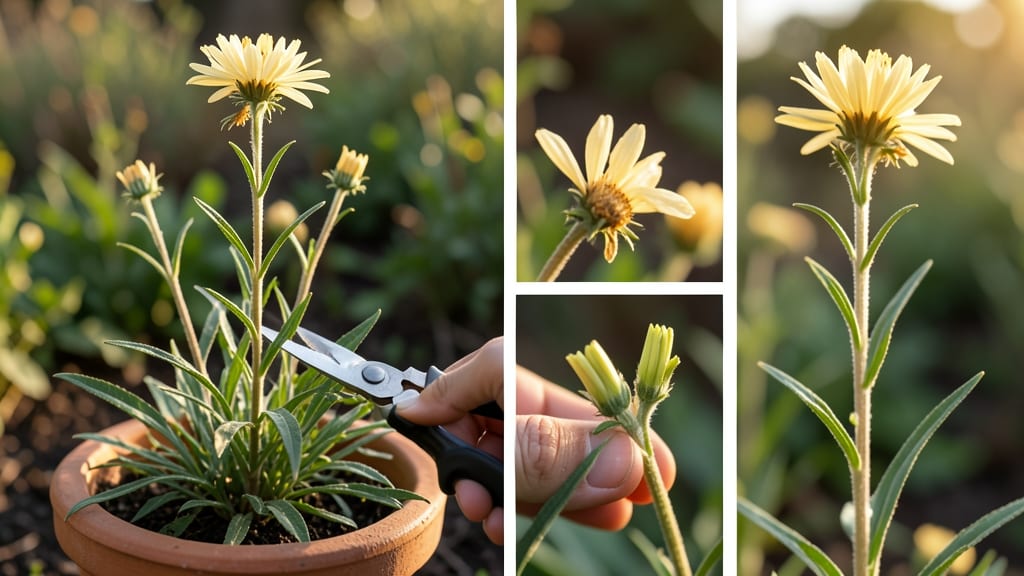
When you’re doing you pinch a strawflower to encourage bushier growth, timing and technique make all the difference—get it right, and you’ll end up with longer-lasting blooms and a fuller plant.
This simple pruning trick transforms your 🌼 strawflower from a leggy stem into a vibrant, multi-branched beauty, but many gardeners skip it entirely or do it too late.
Pinching isn’t just about snipping—it’s about strategic growth control. By removing the top set of leaves, you trigger the plant to produce more side shoots, which means more flowers and a sturdier structure.
The key is acting early in the season, before your strawflower reaches 12 inches tall, to avoid stunting its potential.
If you’ve ever wondered whether pinching is necessary or how much to trim, I’ll walk you through the exact steps—when to do it, which tools to use, and how to care for your plant afterward.
Whether you’re growing strawflowers for cut arrangements or garden beds, these insights will help you maximize their beauty.
Ready to turn those skinny stems into a lush, blooming powerhouse? Let’s dive into the simple secrets that’ll keep your strawflowers thriving all season long.
When and how to pinch strawflowers for bushier growth
Pinching strawflowers (Helichrysum) is one of the simplest ways to transform leggy, sparse plants into lush, bushy beauties packed with blooms. This technique works by removing the terminal bud (the top growth point), which forces the plant to send energy to side shoots instead.
The result? More stems, denser foliage, and a longer blooming season.
But timing is everything—pinch too early, and you delay flowering; too late, and you risk stunted growth or stress. Strawflowers thrive when pinched during their active growing phase, typically 4-6 weeks after transplanting or when they reach 6-12 inches tall.
For annual varieties, aim for early to mid-summer; perennials can handle a second pinch in late summer if growth is still vigorous.
Before you grab your shears, gather these essential tools:
- Clean, sharp pruning shears or fingernails (for small plants)
- A glove (optional, to protect from prickly stems)
- A spray bottle with water (to clean tools between cuts)
How to Pinch Strawflowers: Step-by-Step
- 1
- 2
- 3
- 4
- 5
Seasonal timing matters just as much as technique. For annual strawflowers, pinch in early summer (June) to give them time to recover before their peak bloom in late summer.
Perennials, like Helichrysum italicum, can handle a second pinch in late August, but only if they’ve shown vigorous regrowth after the first pinch.
After pinching, your strawflower will need extra care to bounce back. Increase watering slightly (but avoid soggy soil) and apply a balanced fertilizer (like 5-10-10) to support new growth.
Place plants in bright, indirect light for a few days to reduce stress—this helps them recover faster and prevents leaf drop.
Not all strawflower varieties respond the same way to pinching. Dwarf varieties (like ‘Moonwalk’) may only need a single, gentle pinch, while taller types (like ‘Ruby Wedding’) can handle multiple pinches for a fuller, more compact shape.
Always observe your plant’s reaction—if it looks overwhelmed (yellowing leaves, slow growth), you’ve pinched too much.
Pro tip: Pinching works best when combined with regular deadheading. Once your strawflowers bloom, remove spent flowers to redirect energy to new blooms instead of seed production. This two-step approach—pinch for structure, deadhead for longevity—will give you the bushiest, longest-blooming strawflowers in your garden.
Remember, the goal of pinching is to stress the plant just enough to trigger growth, not to overwhelm it. With practice, you’ll develop a feel for when your strawflowers are ready—and soon, you’ll be the envy of the neighborhood with vibrant, overflowing blooms that last all season. 🌼
Strawflower pruning mistakes that kill blooms (and how to avoid them)
Strawflowers (Helichrysum) thrive when pruned correctly, but even small mistakes can kill blooms and stress your plants. The most common error? Pinching at the wrong time or over-trimming young stems.
These actions disrupt the plant’s natural growth cycle, leading to stunted blooms or sparse foliage. Understanding the right techniques ensures your strawflowers stay lush and vibrant.
Another frequent mistake is ignoring plant maturity when pruning. Young strawflowers need gentle guidance, while mature plants can handle more aggressive trimming. Yellowing leaves or stunted growth often signal over-pruning or poor timing. Recognizing these warning signs early helps you correct course before permanent damage occurs.
⚠️ callout-warning ⚠️
YES, but only when young! Pinch new growth tips when plants are 6-8 inches tall (early season). Avoid pinching mature plants or flowering stems—this kills blooms. Use clean sharp scissors, not fingers, to prevent disease.
❌ Mistake: Pinching late in season or too aggressively (more than 1/3 of plant). ✅ Fix: Stop pruning 6 weeks before first frost to allow blooms to set.
Over-pruning is a top bloom-killer for strawflowers. When you remove too much foliage at once, the plant diverts energy away from flower production to recover. Aim to trim only 1/3 of the plant’s height in a single session, and always leave healthy leaves near the base.
This ensures the plant retains enough energy to support blooms.
Timing matters just as much as technique. Pinch strawflowers early in the growing season (when they’re 6-8 inches tall) to encourage bushier growth. Late-season pruning, however, can delay flowering or reduce bloom quantity.
If you miss the early window, focus on deadheading spent blooms instead to prolong the season.
Aggressive pruning can backfire, especially for dwarf varieties like ‘Limelight.’ These types need gentle pruning to avoid becoming leggy or sparse. Compare this to taller varieties like ‘Ruby Wedding,’ which can handle slightly bolder trimming. Always match your approach to the plant’s mature size and growth habits.
Watch for stress signals like yellowing leaves or drooping stems, which often mean you’ve pruned too much. To recover, reduce watering slightly and fertilize lightly with a balanced 5-10-10 mix to support regrowth. Most strawflowers bounce back within 2-3 weeks if given proper care.
For longer blooms, combine early pinching with regular deadheading. This two-step approach ensures your strawflowers stay full and colorful from summer through fall. Avoid the urge to prune in late summer, as this can shorten the bloom season significantly.