
Light Requirements
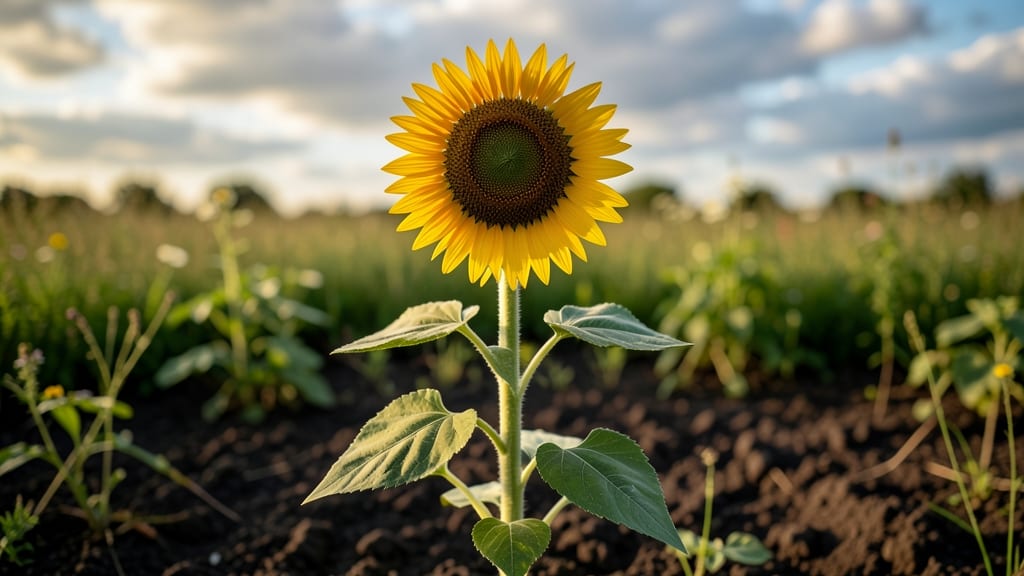
If your sunflowers 🌻 are struggling to grow tall or bloom—despite your best efforts—the answer might be simpler (and brighter) than you think: does sunflower need sunlight? The truth is, they don’t just like it; they need it to survive, with 6-8 hours of direct rays daily being the golden rule for those towering stems and vibrant blooms.
Picture this: a sunflower seedling stretching toward the sky, its leaves reaching out like hands begging for more light. Without enough sunlight, their growth stalls, leaves turn pale, and those dreamy blooms never appear.
The good news? Maximizing sunlight is easier than you’d expect—whether you’re planting in your backyard or a container on a balcony.
But here’s the catch: not all sunlight is created equal. We’ll break down exactly how much light your sunflowers crave at each stage, from tiny sprouts to 15-foot giants, and share pro tips to give them the perfect light boost—even in less-than-ideal spots.
Ready to turn your sunflowers into sun-soaked superstars? Let’s dive into the sunlight secrets that’ll have them reaching for the sky in no time.
 Best Window Placement
How many hours of sunlight do sunflowers need daily?
Sunflowers are sun-worshippers by nature, and their towering growth depends entirely on direct sunlight exposure. While they can tolerate some shade, insufficient light leads to weak stems, pale blooms, and poor seed production.
Understanding their sunlight needs at each growth stage is key to cultivating healthy, vibrant plants that reach their full potential.
As a rule, sunflowers require 6 to 8+ hours of full sun daily for optimal growth. However, their needs change dramatically from seedling stage to flowering maturity.
During early growth, young plants can handle slightly less light, but as they mature, they demand more intense sunlight to support their massive flower heads and seed production.
Here’s the science behind it: Sunflowers use photosynthesis efficiency to convert sunlight into energy. Studies show that photosynthetic rates peak at 80% efficiency under full sun, while partial shade reduces this by 30-50%. This means your sunflowers won’t just grow slower—they’ll struggle to develop properly without enough light.
Now, let’s break down their sunlight requirements by growth stage to ensure you’re giving them exactly what they need at every phase of development.
| Growth Stage | Sunlight Requirement | Key Characteristics | Optimal Light Source |
|---|---|---|---|
| Seedling (0-4 weeks) | 4-6 hours of direct sun | Delicate stems, small leaves, high moisture needs | South-facing window or partial shade with morning sun |
| Vegetative (4-8 weeks) | 6-8 hours of full sun | Rapid stem growth, leaf expansion, root development | Open, unobstructed full sun (south or west exposure) |
| Flowering (8-12 weeks) | 8+ hours of full sun | Bud formation, pollen development, seed maturation | Direct midday sun (10 AM - 4 PM), no afternoon shade |
| Mature (12+ weeks) | 6-8 hours of full sun (maintenance) | Seed drying, stem hardening, preparation for harvest | Full sun with afternoon shade in hot climates |
If you’re growing sunflowers in partial shade, such as under trees or near buildings, you’ll need to calculate their actual sunlight exposure carefully. Partial shade can mean anything from 3-6 hours of direct sun mixed with dappled light.
To measure this, use a sunlight tracker app or observe your garden’s light patterns for a week.
For example, if your sunflowers only receive 4 hours of direct sun in the morning but are shaded for the rest of the day, they’ll struggle to flower properly.
In such cases, consider relocating your plants to a sunnier spot or supplementing with a grow light for 2-4 hours daily during their vegetative stage.
Another critical factor is the intensity of sunlight. Sunflowers thrive in full, direct sunlight, not just any light.
If you’re in a high-altitude region, sunlight is more intense, and your plants may need slightly less duration (6-7 hours) compared to coastal or cloudy areas, where they might need up to 10 hours of light to compensate.
Pro tip: If you’re growing sunflowers in containers or small spaces, place them in the sunniest spot available and rotate the pots every few days. This ensures even growth and prevents the plants from leaning toward the light, which can cause weak stems and lodging (falling over).
Finally, remember that sunflowers are drought-tolerant once established, but they won’t tolerate low light combined with dry conditions. Always pair adequate sunlight with consistent moisture during their early growth stages to give them the best chance of thriving.
By following these guidelines, your sunflowers will grow strong, tall, and burst into glorious blooms that turn heads in your garden. Just imagine the golden sunflowers reaching for the sky—all thanks to the perfect amount of sunlight! 🌻
Signs your sunflowers aren’t getting enough sunlight (and how to fix it)
Sunflowers 🌻 are like sun-worshipping divas—they’ll stretch, lean, and even turn their faces toward the light (heliotropism) to soak up every ray. But when they don’t get enough, their behavior changes dramatically.
The first red flag is leggy, weak stems that flop instead of standing tall. These etoliated (light-starved) plants grow long and thin, trying desperately to reach sunlight.
You’ll also notice pale, yellowish leaves instead of the deep green you expect. This happens because chlorophyll production slows down without sufficient light. Even worse, your sunflowers might skip the blooming stage entirely, leaving you with nothing but tall, skinny stalks.
If your plants look like they’re reaching for the sky but never quite getting there, sunlight deprivation is likely the culprit.
⚠️ callout-warning ⚠️
🚨 Sunlight Deficiency Crisis in Sunflowers
Sunflowers need 6-8+ hours of direct sunlight daily—any less and you’ll see these warning signs:
- ❌ Leggy, weak stems (stretching but not strengthening)
- ❌ Pale, yellow leaves (chlorophyll deficiency)
- ❌ No blooms (delayed or absent flowering)
- ❌ Slow growth (stunted height gain)
Fix it fast: Move plants to full sun, use reflective surfaces (like white walls or mirrors), or add grow lights for 12+ hours/day.
If you’re growing sunflowers in containers or small spaces, their light needs become even more critical. Without enough sunlight, they’ll outgrow their pots and become top-heavy, risking falls. Even worse, the seed heads won’t develop properly, meaning no harvestable seeds—just a pretty (but useless) stem.
Don’t despair if your sunflowers are already showing signs of light deficiency. The good news is, fixing the problem is easier than you think. Start by relocating them to the sunniest spot in your garden, ideally a south-facing area with no obstructions.
If your yard lacks full sun, try reflective surfaces like white garden markers, mirrors, or even a light-colored fence to bounce extra light onto your plants.
For indoor growers or urban balconies, consider LED grow lights placed 6-12 inches above the plants. Aim for 12-16 hours of light daily to mimic summer conditions. Pair this with a fertile, well-draining soil and consistent watering, and you’ll see dramatic improvements in just days.
Remember, sunflowers are phototropic, meaning they’ll grow toward the light. If you notice them leaning at odd angles, it’s a clear sign they’re chasing sunlight. Rotate your containers or reposition them daily to encourage even growth.
With the right light fix, your sunflowers will soon be reaching for the sky—and blooming like never before!