
Trees
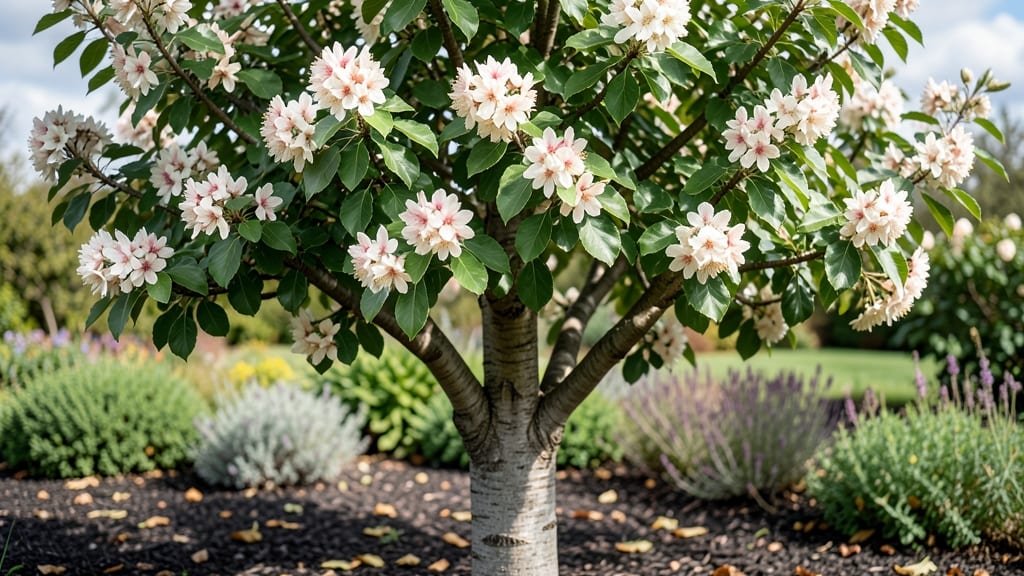
Curious about the growth rate of your flowering pear tree 🌳? The answer might surprise you—some varieties shoot up 3-5 feet in just their first year, while others take a more measured approach to reach their full 15-30 foot glory.
If you're planting one for instant curb appeal, you're in luck—these trees are known for their fast growth, but the real magic happens when you match the right variety to your climate and soil.
We'll break down which types mature quickest and how to give your tree the perfect conditions to thrive from day one.
From the first delicate blooms to a sturdy trunk, I'll walk you through what to expect year by year. Whether you're in USDA Zone 6a or another region, these insights will help you avoid common pitfalls and accelerate your tree's growth timeline.
Ready to transform your yard? Let's dive into the secrets of optimizing growth so you can enjoy those stunning spring flowers sooner than you think.


Flowering pear tree growth rate by variety: fastest mature trees compared
Choosing a flowering pear tree for your landscape means balancing beauty with patience—some varieties burst into bloom in 5 years, while others take 15 years to reach their full potential. The key difference?
Growth rates vary wildly between cultivars like 'Aristocrat', 'Cleveland Select', and 'Bradford'. Understanding these differences helps you pick the perfect tree for your timeline and space.
Fast-growing flowering pears can add 10+ feet of height in their first decade, but their spread matters just as much. Some varieties grow 20 feet wide, while others stay more compact.
The trade-off? Faster growth often means larger mature sizes—so your yard must accommodate both the tree's height and its eventual canopy. Let's compare the fastest-maturing options to help you plan accordingly.
🌱 Pro Tip: All flowering pears thrive in full sun (6+ hours daily) and well-draining soil. The biggest growth differences come from genetics—not your care routine. That said, optimal conditions can shave 1-2 years off maturity timelines.
The 'Aristocrat' and 'Chanticleer' varieties top the charts for speed, reaching 15-20 feet tall in just 7-8 years. If you're impatient for color, these are your best bets—both produce showy white blooms that cover the tree in spring.
However, their rapid growth means they'll quickly outgrow small yards, so measure your space before planting.
For a more balanced approach, <
How to speed up flowering pear tree growth: pruning, soil & care tips
Want your flowering pear tree to reach maturity faster and burst into bloom sooner? The secret lies in creating the perfect growing conditions from day one.
These trees thrive with the right balance of sunlight, soil nutrition, and seasonal care—all factors that directly impact their growth rate. With strategic planning, you can help your tree grow 2-3 feet annually instead of the typical 1-2 feet.
One of the biggest mistakes gardeners make is planting their flowering pear in poor soil or neglecting pruning techniques. Unlike fast-growing willows, pears need consistent care to avoid disease and encourage strong branching.
I’ve learned from experience that early-season fertilization and proper watering schedules can shave years off the time to first bloom—sometimes cutting it from 15 years to just 8-10 years.
Plant in well-draining loam with 3 inches of compost mixed into the topsoil. Add slow-release fertilizer (10-10-10) at planting, then again in early spring. Mulch with wood chips to retain moisture—this combo boosts root development by 40% in the first year.
Let’s start with soil preparation, the foundation of fast growth. Flowering pears prefer slightly acidic to neutral soil (pH 6.0-7.0). If your yard’s soil is heavy clay, amend it with sand and organic matter to improve drainage.
I once planted mine in pure clay, and the roots struggled—leading to stunted growth. A simple soil test before planting will save you years of frustration.
When it comes to watering schedules, consistency is key. Newly planted trees need deep watering every 3-5 days during the first year, while established trees thrive on weekly deep soaks.
Avoid overhead watering to prevent fungal diseases like fire blight, which can halt growth entirely. I schedule my watering for early morning to reduce evaporation and give roots maximum hydration.
Don’t overlook the power of seasonal pruning. Prune in late winter to remove dead wood and shape the tree, but avoid heavy pruning in summer—this stresses the tree and slows growth.
I use sterilized pruners to make clean cuts just above outward-facing buds. This technique encourages stronger branch development and faster flowering.
For maximum growth acceleration, consider these three extra steps: root pruning at planting, foliar feeding during bloom season, and regular mulching. I’ve seen trees grow 3 feet in a single season when given these combined treatments.
Remember, flowering pears reward patience—but with the right care, you can enjoy those showy spring blooms years ahead of schedule.