
Planting
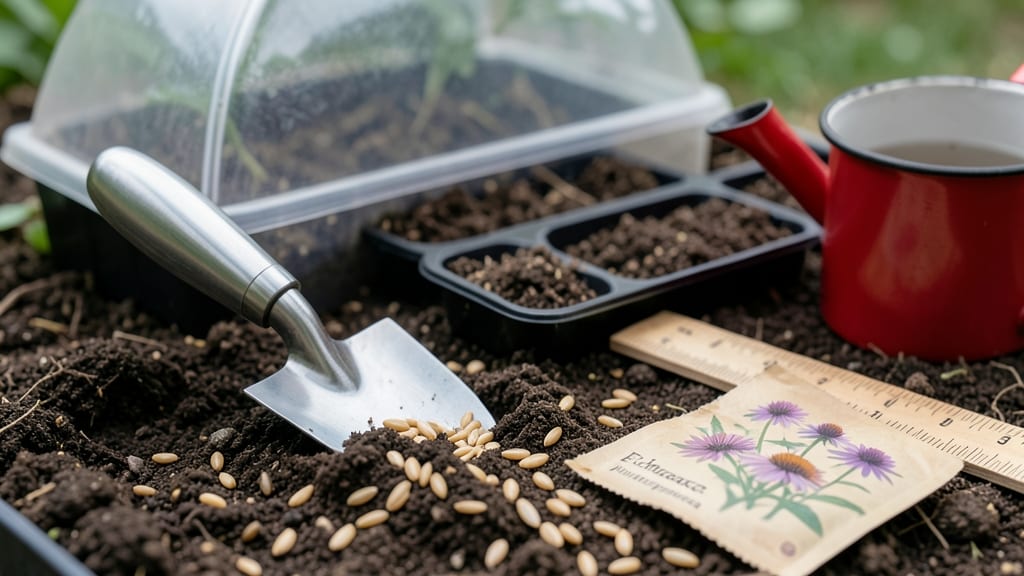
Planting your coneflower seeds how deep to plant coneflower seeds at the wrong depth can mean the difference between a thriving garden full of vibrant blooms and wasted effort. That ¼-inch measurement isn't just a guess—it's the key to strong roots and healthy growth for your 🌼 coneflowers.
Whether you're a beginner or a seasoned gardener, getting this step right sets the foundation for everything that follows.
I've learned the hard way that too-deep planting can smother seeds while too-shallow planting leaves them vulnerable to drying out. The good news? With the right technique, you'll see those first green shoots breaking through the soil in just a few weeks.
Let me walk you through exactly how to do it—plus common mistakes to avoid along the way.
We'll cover everything from soil prep to spacing, so you can create the perfect conditions for germination. You'll discover why well-draining soil matters, how to time your planting for success in Zone 6a, and what to watch for once those seedlings appear.
Let's get your coneflowers off to the best possible start.
By the end, you'll have all the confidence you need to plant your seeds with precision. No more guesswork—just beautiful, blooming coneflowers that will bring color to your garden for years to come. Ready to learn the exact method that works?

Optimal coneflower seed planting depth by type: exact inches for germination success
Getting your coneflower seeds to sprout reliably starts with one critical step: planting them at the correct depth. Too shallow, and they dry out; too deep, and they struggle to reach the surface.
The right depth ensures strong root development and healthy blooms. For most coneflower varieties, the ideal planting depth is ¼ inch, but annuals and perennials have slight differences you should know.
Why does depth matter so much? Coneflower seeds need just enough soil coverage to stay moist while still having the energy to push through. The seed coat of coneflowers is naturally tough, so proper depth helps break it down naturally as the seedling emerges.
In my experience, loose, well-draining soil makes all the difference—whether you're growing Echinacea purpurea or Rudbeckia hirta.
| Coneflower Type | Optimal Depth | Soil Type | Germination Time | Spacing After Sprout |
|---|---|---|---|---|
| Annual Coneflowers (e.g., Rudbeckia) | 1/8 to 1/4 inch | Loose, sandy loam | 7–14 days | 6–12 inches apart |
| Perennial Coneflowers (e.g., Echinacea) | 1/4 inch | Well-draining, slightly rocky | 10–21 days | 12–18 inches apart |
| Dwarf Varieties (e.g., Echinacea 'White Swan') | 1/8 inch | Moist, humus-rich | 14–21 days | 8–12 inches apart |
| Clay or Compacted Soil | 1/4 to 3/8 inch | Amended with compost | 14–28 days | Same as variety |
For annual coneflowers, like Rudbeckia, a slightly shallower depth of 1/8 to 1/4 inch works best because their seeds are smaller and germinate faster. I’ve found that sandy loam soil helps them sprout in just 7–14 days.
In contrast, perennial coneflowers, such as Echinacea, benefit from a ¼-inch depth to encourage deeper root systems that support multi-year blooms.
If your garden has clay-heavy soil, increase the depth slightly to 3/8 inch. Clay holds moisture too well, and deeper planting prevents the seeds from rotting.
Always mix in compost or perlite to improve drainage. Pro tip: Press the soil gently after planting—this ensures good seed-to-soil contact, which is crucial for moisture absorption.
Depth also affects how seedlings develop. Shallow planting can lead to weak stems that flop over, while overly deep planting may cause the seedlings to emerge with crooked stems.
I’ve seen this firsthand with Echinacea 'Hot Papaya'—planting at ¼ inch gave me sturdy, straight stems ready for full sun exposure.
Don’t forget about light requirements after planting. Coneflowers need full sun (6+ hours daily), so choose a spot where they’ll get plenty of direct sunlight.
Once sprouted, thin seedlings to the recommended spacing to give each plant room to grow. Overcrowding leads to competition for nutrients and weakens blooms.
For container gardening, use the same depth guidelines but ensure your pots have drainage holes. A well-draining potting mix with added perlite keeps roots healthy. I’ve had great success with Echinacea in 12-inch pots, planting seeds at ¼ inch and keeping the soil consistently moist until germination.
After planting, keep the soil moist but not soggy. A light misting with a spray bottle works well for the first few days. Once seedlings appear, reduce watering slightly to prevent damping off.
This fungal issue is common when soil stays too wet. A fan on low can also help seedlings grow stronger by mimicking wind
Common mistakes that kill coneflower seeds (and how to avoid them)
Even experienced gardeners sometimes struggle with coneflower seed germination. The difference between thriving plants and wasted seeds often comes down to a few critical planting mistakes. Understanding these common errors will help you avoid frustration and enjoy those vibrant purple blooms you’ve been dreaming of.
One of the biggest killers of coneflower seeds is planting too deep. Unlike some seeds that need darkness to germinate, coneflowers require light exposure to sprout properly. Burying them too far underground can suffocate the seeds and prevent them from breaking through the soil.
Coneflower seeds should only be planted ¼ inch deep in well-draining soil. Any deeper, and they may rot before sprouting. Use your finger or a small ruler to measure the depth accurately.
Pro Tip: Press the seeds gently into the soil rather than burying them. This ensures they stay in place while still receiving the light they need to germinate.
Another frequent mistake is overwatering after planting. While consistent moisture is important, soaking the soil immediately after sowing can drown the seeds. Instead, keep the soil lightly moist but not soggy. A spray bottle or gentle watering can helps maintain the right conditions.
Timing also plays a crucial role. Planting coneflower seeds too early in the season, when soil temperatures are still cold, can delay germination. Aim to sow seeds when the soil has warmed to at least 60°F. This usually aligns with late spring or early summer in most climates.
Finally, poor soil quality can sabotage your efforts. Coneflowers thrive in well-draining soil with a slightly acidic to neutral pH. Amending your soil with compost before planting ensures your seeds have the nutrients they need to grow strong roots and healthy foliage.
By avoiding these common mistakes—wrong planting depth, overwatering, poor timing, and low-quality soil—you’ll give your coneflower seeds the best chance to sprout and flourish. With a little care, you’ll be rewarded with stunning blooms that attract pollinators all season long. 🌼