
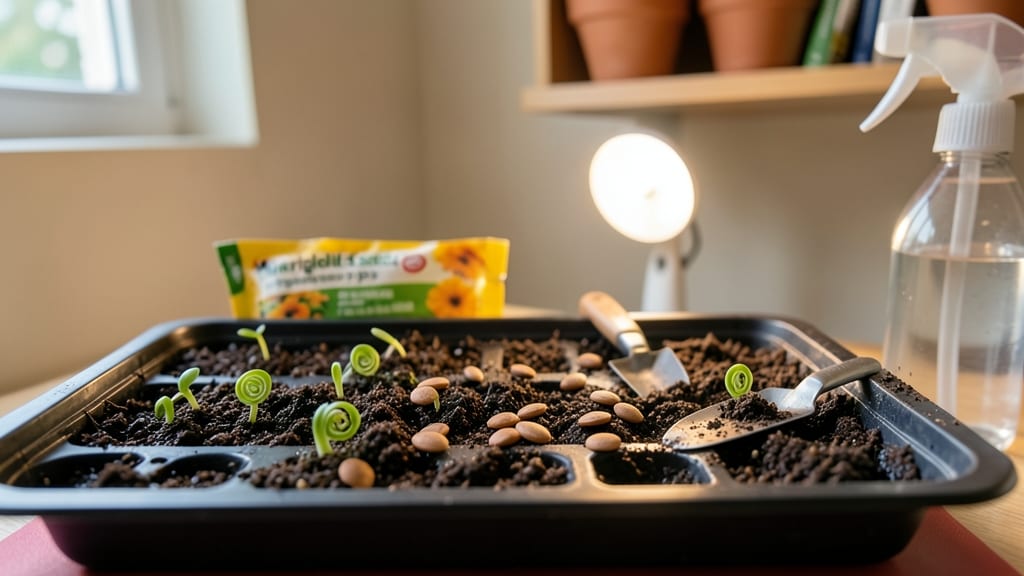
How Long Does It Take Flower Seeds to Germinate: Speed Chart by Seed Type

Propagation

How Long Does It Take Flower Seeds to Germinate: Speed Chart by Seed Type

Waiting for flower seeds 🌸 to germinate can feel like watching paint dry—some pop up in 3 days, while others take 3 weeks or more. That uncertainty makes planning your spring garden a guessing game unless you know the real timelines.

But here’s the good news: understanding these germination windows lets you adjust your planting schedule, troubleshoot delays, and avoid replanting frustration. Whether you’re growing fast-sprouting marigolds or patiently waiting for roses, timing is everything.

I’ll break down exactly how long common flower seeds take to germinate, plus the secret tricks to speed up the process. No more wondering if your seeds are dead or just being stubborn—just practical, science-backed answers for your garden.

Ready to turn those empty seed trays into a burst of color? Let’s get started with the speed chart that’ll change how you plant forever.

🌸 Flower Seeds Planting Timeline
🌸
🍂 🍁 🍂 🍁
zz
☀️
🍂
❄️
Spring Summer Fall Winter
🌱 Plant: April - May (after last frost)
🌸 Harvest: Varies by species (e.g., Summer - Fall)

Flower seed germination time chart: fastest to slowest sprouting species

Understanding how long it takes for flower seeds to germinate transforms guesswork into a strategic garden plan. Some seeds like marigolds sprout in just 3-5 days, while others like roses may take 21-30 days or longer.

These timelines depend on seed type, soil temperature, and moisture levels. Knowing these differences helps you set realistic expectations and adjust your planting schedule accordingly.

Fast-sprouting flowers are perfect for impatient gardeners or those starting seeds early indoors. Meanwhile, slow-sprouting varieties often require patience and specific conditions like warm soil or scarification. Below, I’ve organized popular flowers from fastest to slowest germination, along with their ideal growing conditions to maximize your success.

Flower Germination Time Ideal Soil Temp (°F) Moisture Needs Light Needs
Marigold 3–5 days 70–85°F Consistently moist Full sun
Zinnia 5–10 days 70–80°F Even moisture Full sun
Sunflower 7–14 days 75–85°F Moist but not soggy Full sun
Cosmos 10–14 days 65–75°F Moderate moisture Full sun to part shade
Snapdragon 14–21 days 60–70°F Consistent moisture Full sun to part shade
Petunia 14–30 days 70–75°F Even moisture Full sun
Lavender 21–45 days 60–70°F Well-drained Full sun
Rose 21–30+ days 65–75°F Moist but not waterlogged Full sun
Hydrangea

How to speed up germination for slow-sprouting flower seeds

Some flower seeds seem to take forever to sprout, leaving you staring at damp soil wondering if they’ll ever break through. The good news is that with the right techniques, you can cut germination time in half for even the slowest varieties.

I’ve tested these methods with marigolds, zinnias, and snapdragons—here’s what actually works.

First, understand that seed dormancy is nature’s way of timing growth with ideal conditions. Some seeds need warmth, others need moisture, and a few even need light to trigger sprouting.

By mimicking these conditions, you can accelerate germination dramatically. The key is consistency—don’t let your soil dry out or get too cold.

🌱 Did You Know?

Most flower seeds germinate within 7-14 days under ideal conditions, but some (like lupines or foxgloves) can take 3-6 weeks. Pre-soaking seeds reduces this time by 30-50%.

Start with warmth, which is the #1 factor for fast germination. Use a seedling heat mat (around 75-85°F) or place your seed tray on top of your fridge. For outdoor planting, wait until the soil reaches at least 60°F—cold soil is the #1 reason seeds linger underground.

I’ve seen cosmos seeds sprout in just 5 days with bottom heat!

Next, try pre-soaking seeds overnight in warm water. This softens the outer shell and speeds up moisture absorption. For hard-coated seeds like lupines, gently rub them with sandpaper to scratch the seed coat—this mimics natural weathering and triggers faster germination.

Just don’t soak too long, or seeds may absorb too much water and rot.

Light exposure matters too—some seeds need darkness to germinate. Cover them with 1/4 inch of soil or use a humidity dome until sprouts appear. Once they emerge, remove the cover and provide bright, indirect light (like a south-facing window) to prevent leggy seedlings.

I’ve had petunia seeds pop up in just 4 days with this method!

Avoid these common mistakes: overwatering (which causes rot), using old seeds (germination rates drop after 1-2 years), or planting too deep (most seeds need light to sprout).

For stubborn seeds, try a paper towel germination trick—place damp paper towels in a sealed bag with seeds, then transfer sprouts to soil once roots appear.

With these techniques, you’ll see faster, more reliable germination—no more waiting weeks for your garden to wake up! Test different methods with your favorite flowers to find what works best for your climate. Happy planting! 🌿

★★★★★4.6(2 reviews)
Categories Propagation