
Size
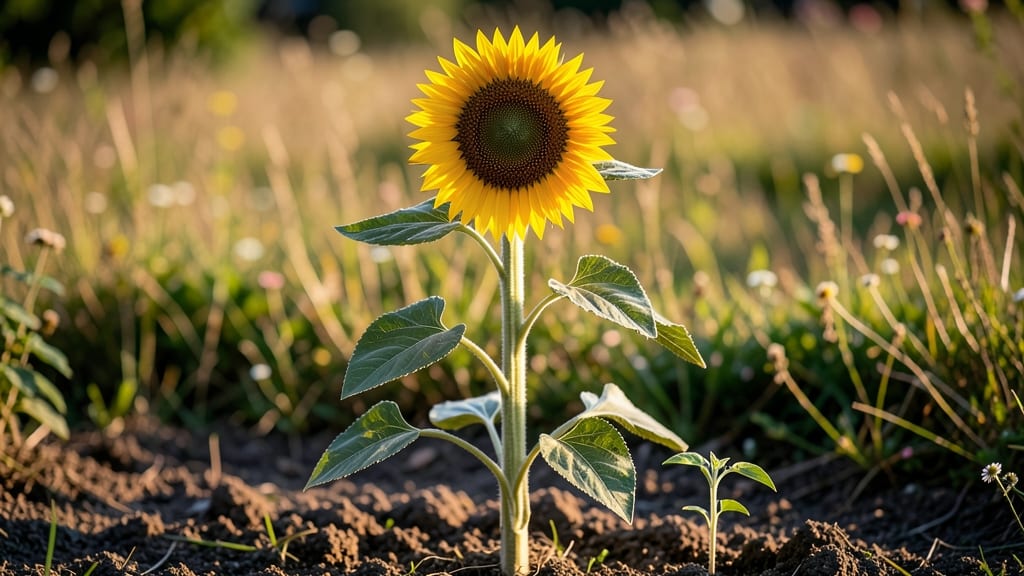
How tall can sunflowers grow? You might be surprised to learn that some varieties reach heights of 16 feet—taller than most doorways and nearly as tall as a two-story house! Whether you're dreaming of dramatic backyard focal points or working with limited space, understanding sunflower height variations is key to planning your garden.
Sunflowers like the Russian Giant or Mammoth varieties can dominate your landscape, while dwarf types like 'Teddy Bear' stay compact at just 1-3 feet. The difference comes down to genetics, growing conditions, and even how much space you give them to stretch their stems.
Let’s break down the heights you can expect from popular varieties and how to encourage (or limit) their growth.
If you’ve ever wondered why your sunflowers 🌻 seem stunted or why some neighbors’ plants tower over yours, the answer likely lies in soil quality, sunlight exposure, and proper spacing.
I’ll share the secrets to maximizing height—or keeping them manageable—so you can get the sunflowers you want, whether you’re aiming for sky-high drama or a cozy container garden.
Ready to transform your garden with sunflowers? I’ll walk you through everything from selecting the right variety for your space to the care tips that make the difference between a 3-foot plant and a 16-foot giant. Let’s get growing!

Sunflower height by variety: tallest types & their growth characteristics
Sunflowers come in a stunning range of heights, from compact dwarf varieties perfect for containers to towering giant sunflowers that rival small trees. The tallest sunflowers can reach 12 to 16 feet under ideal conditions, making them a dramatic focal point in any garden.
But not all sunflowers grow this massive—some stay under 3 feet, while others hit that 6-10 foot sweet spot for standard garden beds.
If you're dreaming of sunflowers that reach for the sky, you'll want to focus on heirloom and mammoth varieties like 'Russian Giant' or 'Mammoth'. These giants aren't just impressive—they grow 3-5 feet per month during peak season, with some varieties maturing in as few as 70 days.
Let's explore the height ranges, growth characteristics, and spacing needs for these architectural wonders.
🌻 Pro Tip: Always check your variety's mature height before planting—some giants need 2-3 feet of space between plants to prevent crowding and disease. In tight spaces, consider semi-dwarf varieties that top out at 4-6 feet while still making a statement.
The Russian Giant holds the record for tallest sunflowers, with some specimens exceeding 16 feet in ideal conditions. These giants need plenty of space—plant them 3 feet apart in rich, well-draining soil.
Their rapid growth means they'll need staking or cages by mid-season to prevent toppling in wind or rain.
For a slightly more manageable height, the Mammoth variety reaches 10-14 feet and matures faster, often flowering in just 70-90 days. This makes them ideal for late-summer gardens where you want quick vertical impact. Space them 20-24 inches apart to give their strong stems room to develop.
If you love the Autumn Beauty variety for its stunning bicolor blooms, know that these can grow 5-12 feet tall depending on conditions. Their variable height makes them versatile—plant them 12-18 inches apart in groups for a dramatic, layered effect.
These varieties often produce multiple blooms per stem, extending their showtime.
For smaller spaces, consider Teddy Bear or Sunspot varieties that top out at 3-5 feet. These dwarf sunflowers grow quickly (reaching maturity in 60 days) and work beautifully in containers or tight borders.
Their compact size also makes them ideal for cut flower arrangements—just harvest when the back of the bloom turns yellow-brown.
All sunflower varieties benefit from full sun exposure (6+ hours daily) and consistent moisture, especially during their first 4-6 weeks of growth. The tallest varieties will need additional support—
Factors that influence sunflower height: soil, sun, and care tips
Sunflowers thrive when given the right growing conditions, and their height is directly influenced by what you provide in your garden. The soil quality, sunlight exposure, and care routine all play critical roles in determining whether your sunflowers will reach their full potential or stay stunted.
For example, Russian Giant varieties can tower over 12 feet with ideal care, while dwarf types like 'Teddy Bear' max out around 3 feet. Understanding these factors helps you set realistic expectations and plan your garden layout accordingly.
One of the most overlooked factors is soil composition. Sunflowers prefer well-draining soil rich in organic matter, but the type of nutrients matters just as much.
Too much nitrogen can lead to lush foliage at the expense of height, while a balanced phosphorus and potassium ratio promotes strong stems and taller growth. Testing your soil before planting can reveal deficiencies and help you amend it with compost or a 5-10-10 fertilizer blend for optimal results.
Sunlight is another non-negotiable factor—sunflowers are heliotropic, meaning they follow the sun’s movement throughout the day. They need at least 6-8 hours of full sun daily to grow to their maximum height.
If you’re growing sunflowers in containers or urban spaces, place them in the sunniest spot available, often near a south-facing window or fence. Partial shade can reduce height by up to 30%, so prioritize locations with unobstructed sunlight.
⚠️ callout-warning
⚠️ Common Mistakes That Stunt Sunflower Growth
- Over-fertilizing with nitrogen leads to weak stems and toppling—stick to balanced 5-10-10 fertilizer.
- Poor support for tall varieties (like 'Mammoth') causes them to flop—use stakes or cages early.
- Inconsistent watering stresses plants, halting growth—water deeply 1-2 times per week.
- Pruning too late removes flower buds—trim only dead or diseased foliage before blooming.
Pro Tip: Monitor soil moisture with your finger—sunflowers prefer consistent moisture, not soggy soil.
Watering schedules also impact height, especially during the vegetative growth stage. Deep, infrequent watering encourages roots to grow deeper, which stabilizes the plant and supports taller growth. Aim for 1 gallon per plant weekly, increasing to 2 gallons during dry spells.
Avoid overhead watering in the evening, as damp foliage invites fungal diseases like powdery mildew, which can weaken stems and reduce height.
Pruning techniques might seem counterintuitive for height, but strategic trimming can actually promote taller growth. Remove any side shoots that form below the main stem to redirect energy upward. However, avoid pruning once the flower bud forms, as this can reduce blooming.
For varieties like 'Autumn Beauty', which can reach 10-12 feet, providing support with bamboo stakes or cages prevents toppling and allows the plant to focus energy on height rather than stability.
Finally, consider your garden’s microclimate. Windy areas can stunt growth or cause sunflowers to lean, while protected spots encourage straighter, taller stems. If you’re growing sunflowers in containers, choose large pots (at least 12 inches deep) to accommodate deep roots.
For backyard gardens, plant tall varieties like 'Russian Giant' along fences or trellises to maximize vertical space without sacrificing height.