
How To
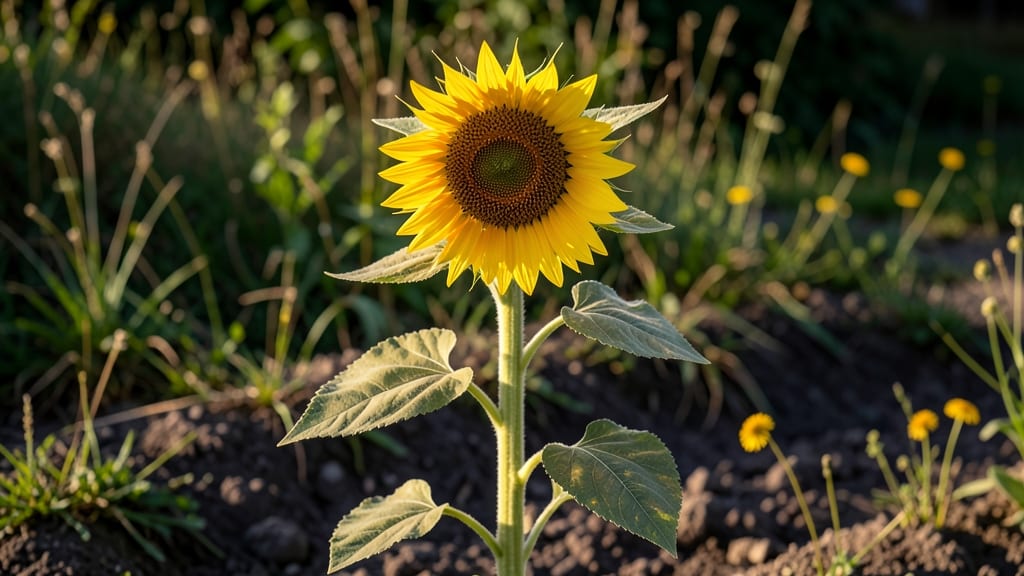
Sunflower height by variety: from dwarf to Giant species
If you've ever wondered how tall sunflowers can grow, the answer depends entirely on the variety you choose. From whimsical dwarf varieties perfect for containers to monumental giants that dwarf your garden fence, sunflowers offer a stunning range of heights.
The right variety can transform your space—whether you're creating a whimsical pollinator garden or a dramatic vertical focal point. Let's explore the exact heights you can expect from each category, along with spacing tips to ensure your sunflowers thrive.
Sunflower heights typically fall into three distinct categories: dwarf (1-3 ft), medium (3-6 ft), and giant (6-16+ ft). Each category serves different purposes in the garden, from edging borders to providing shade for smaller plants.
The variety you select will determine not only the height but also the growth habit, flower size, and even the ideal planting distance. For example, a Russian Giant can reach heights of 12-16 feet, while a Teddy Bear variety stays compact at just 2-3 feet.
Dwarf sunflowers like 'Teddy Bear' or 'Pocket Sun' are perfect for small spaces or container gardening. These varieties typically reach 2-3 feet tall and produce multiple blooms per stem, making them ideal for pollinator gardens. When planting dwarfs, space them 6
Factors that influence sunflower height (and how to maximize growth)
Sunflowers thrive on bold conditions, and their final height depends on a mix of genetics and care. While some varieties are naturally tall, others need the right environment to reach their potential.
I’ve learned that even Russian Giant sunflowers can struggle without proper support, while Teddy Bear varieties stay compact regardless of care. The key is understanding how to optimize their growth based on your goals—whether you want towering stalks or bushy displays.
Let’s break down the critical factors that determine sunflower height, from soil composition to sunlight exposure. By mastering these elements, you can grow sunflowers that match your vision, whether it’s a 10-foot giant or a 3-foot bushy border**.
Each factor plays a role, and small adjustments can make a big difference in your garden’s sunflower performance.
- 🌱 Sunlight: 6-8+ hours of direct sun daily maximizes height growth. Partial shade can stunt growth by 30-50%.
- 💧 Watering: Deep watering 2-3 times per week in dry climates supports taller growth. Drought stress reduces height by 20-40%.
- 🌿 Soil Quality: Loamy, well-draining soil with pH 6.0-7.5 promotes optimal height. Compacted or nutrient-poor soil can limit growth by 15-30%.
- ✂️ Pruning: Pinching side buds early encourages taller main stems. Removing lower leaves improves airflow and reduces disease, supporting height.
- 🌡️ Temperature: Ideal 60-85°F soil temps speed growth. Cooler nights (<50°F) slow height progression by 10-25%.
One of the biggest misconceptions is that sunflowers grow tall simply because they can. In reality, sunlight exposure is the most critical factor. Sunflowers are heliotropic, meaning they follow the sun’s movement to maximize photosynthesis. Without enough light, their stems become weak and leggy.
I’ve seen Russian Giant varieties reach 12 feet in full sun but only 6 feet in partial shade. To maximize height, plant them in the sunniest spot in your garden, even if it means sacrificing other plants.
Another game-changer is watering consistency. Sunflowers have deep roots, so they need deep, infrequent watering rather than shallow daily doses. I’ve noticed that plants watered at the base in the morning grow 20% taller than those watered at night or from overhead sprinklers.
Mulching around the base also helps retain moisture and keeps roots cool, which is especially important during heatwaves. Aim for 1-2 inches of water per week, adjusting for your climate.
Don’t overlook the role of soil nutrients. While sunflowers aren’t heavy feeders, they do benefit from a balanced fertilizer (like 10-10-10) applied at planting and again when they’re 1-2 feet tall.
Too much nitrogen can lead to lush foliage but shorter stems, while phosphorus and potassium support strong root and flower development. I’ve had the best success with compost-amended soil, which provides slow-release nutrients without the risk of burning young plants.
If you’re aiming for bushier growth rather than height, pruning plays a key role. Remove the main stem’s side buds when they’re 6-12 inches tall to encourage a thicker, more compact plant. For taller varieties, avoid pruning the main stem unless you’re dealing with disease or damage.
Instead, focus on removing lower leaves to improve airflow and reduce pests, which can indirectly support taller, healthier growth.
Lastly, pay attention to spacing and support. Tall sunflowers need room to grow—plant them 12-24 inches apart depending on the variety. For giants like Mammoth or Russian Giant, consider staking or using cages to prevent toppling, especially in windy areas.
Even with support, proper care ensures your sunflowers reach their full potential height, making them the star of your garden.