
How To
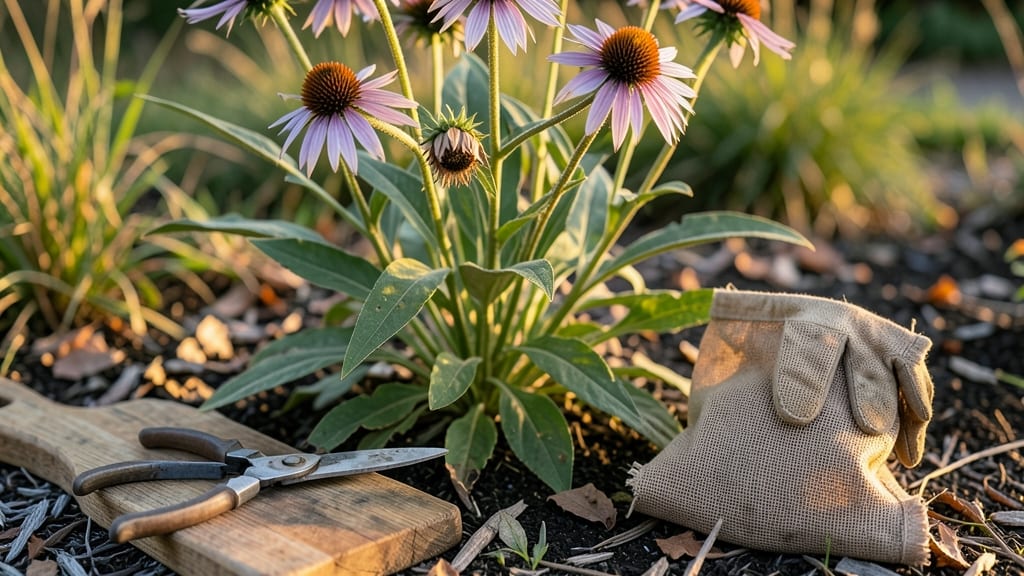
Harvesting purple coneflower 🌼 seeds at the right time means the difference between a thriving garden next year and wasted effort.
When those brown seedheads start rattling like tiny drums, you know it’s time to act—but miss the window, and the wind will carry your hard work away before you even notice.
I’ve learned the hard way that patience is key here. Waiting until the stems turn completely crispy and the petals have fully withered ensures you’re collecting seeds at their peak viability.
This isn’t just about saving money on new plants; it’s about preserving the beauty of your garden for seasons to come.
In this guide, I’ll walk you through exactly when to harvest, what tools you’ll need, and the best drying techniques to keep your seeds fresh. Whether you’re a beginner or a seasoned gardener, these steps will help you avoid common mistakes that ruin seed harvests.
By the end, you’ll know how to store your seeds properly so they stay ready for planting next spring. Let’s turn those dried seedheads into your next batch of purple coneflower blooms—without any guesswork.
When & how to identify purple coneflower seeds ready for harvesting
Timing your purple coneflower seed harvest is critical—wait too long, and the wind will scatter your seeds before you can collect them. The best window is late summer to early fall, typically August through October, when USDA Zone 6a temperatures drop slightly but remain dry.
Look for uniform brown cones and dry, papery petals as your first clues.
Start by checking the central cone color. When it shifts from green to tan or brown, seeds inside are maturing. The petals should wilt and droop downward, signaling the plant is redirecting energy to seed production.
If you see green remnants on the cone, wait a few more days—the seeds aren’t ready yet.
| Stage | Visual Cues | Action | Timing |
|---|---|---|---|
| Early Maturity | Cone turns tan, petals slightly wilted | Monitor daily | Late August |
| Ideal Harvest | Cone uniformly brown, petals dry and crisp | Harvest immediately | September-October |
| Overripe | Cone brittle, seeds scattering | Collect remaining seeds | Late October |
| Dry Rattle Test | Shake seedhead—seeds rattle inside | Confirm viability | All stages |
Don’t rely on color alone—the dry rattle test is your best friend. Hold a mature seedhead over a paper bag and give it a gentle shake. If you hear a dry rattling sound, seeds are ready.
If it feels moist or spongy, wait 3–5 more days for full maturity. Humidity can trick you, so harvest on dry, sunny mornings when dew has evaporated.
Watch for empty husks—these are non-viable seeds that won’t germinate. They’ll appear lightweight and hollow when shaken. Save these for wildflower arrangements or compost, but discard them from your seed collection. Viable seeds should feel heavy for their size and have a slightly rough texture.
Weather plays a huge role. If you’re in a humid climate, seeds may dry unevenly. Harvest earlier in the season (early September) to avoid mold. In arid regions, wait until October when nights cool down. Always harvest on a clear day to let seedheads dry properly post-harvest.
Pro tip: Mark 3–5 plants for harvest to avoid overloading your drying space. Cut stems 2–3 inches below the seedhead with clean pruners or scissors. Bundle stems in groups of 10–15 and hang them upside down in a well-ventilated area (like a garage or shed) for 1–2 weeks
One common mistake is harvesting green seedheads—these contain immature seeds that won’t sprout. Always double-check by squeezing the cone gently. If seeds don’t separate easily, they’re not ready. Patience here ensures a high germination rate for next season’s garden. Once fully dry, separate seeds from chaff by rubbing the cone between your fingers over a paper bag. Store viable seeds in a cool, dark place (like a seed envelope in the fridge) for up to 2 years. Label them with the harvest date to track freshness. 🌼
Step-by-step harvesting techniques to preserve seed viability
Once you’ve spotted those brown, papery seedheads on your purple coneflower, it’s time to act fast. The key to seed viability lies in how you harvest and dry them—skipping these steps means losing seeds to mold or premature germination.
Gather your tools: sharp pruners, a paper bag, and a dry workspace, and let’s preserve those seeds properly.
Start by cutting the seedhead stems about 2-3 inches below the base. This ensures you capture all the seeds while leaving the plant’s energy reserves intact for future growth.
Avoid tugging—this can damage the delicate seed cones or leave stems behind in the soil. Work on a dry, sunny day to minimize humidity during handling.
- Cut dry, brown seedheads with pruners or clean scissors—avoid wet or green stems.
- Place stems in paper bags (not plastic) to allow airflow and prevent mold.
- Label bags with the plant name and harvest date for future reference.
- Hang seedheads upside-down in a well-ventilated area (e.g., garage or shed) for 2-3 weeks.
- Alternatively, lay stems on brown paper in a single layer to dry.
- Check for complete dryness—seeds should rattle when shaken.
- Rub dried seedheads over a clean tray or screen to release seeds.
- Use fingers to pick out chaff (debris) and discard non-viable seeds.
- Store seeds in a paper envelope or glass jar with a desiccant packet.
After drying, separate the seeds from chaff by gently rubbing the seedheads over a clean tray or fine mesh screen. Discard any discolored or shriveled seeds—these won’t germinate.
For extra purity, winnow seeds by placing them in a paper bag and shaking it vigorously near a fan; the wind will blow away lighter debris, leaving only the heaviest, viable seeds behind.
Store your harvested seeds in a cool, dark place like a seed-saving envelope or airtight container with a silica gel packet to absorb moisture. Label everything with the variety name and harvest year—purple coneflower seeds stay viable for 2-3 years if stored properly.
Avoid refrigeration unless you’re saving seeds long-term.
Pro tip: If you’re sharing seeds with friends, include a simple care guide—like planting depth (1/4 inch) and sunlight needs (full sun). This ensures their purple coneflower grows just as vibrantly as yours! 🌼