
Flowers
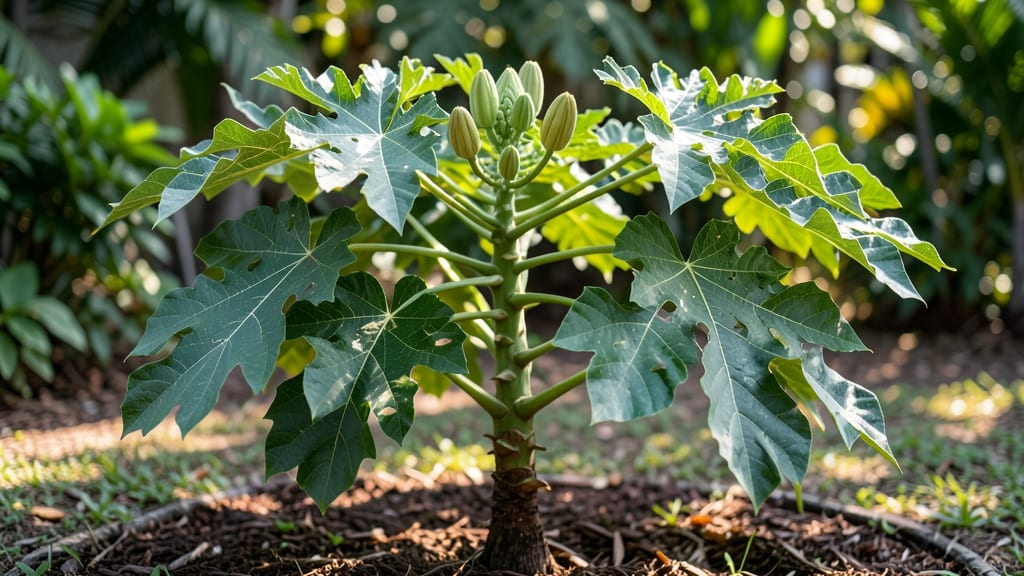
Those tiny green bulges on your papaya tree might seem unassuming, but they’re the secret to your next harvest—papaya flower buds 🍈 are where fruit magic begins. If you’ve ever wondered why some buds thrive while others wither, you’re not alone.
The key lies in knowing exactly when and how to spot them, plus a few simple care tweaks that make all the difference.
I’ve grown papayas in USDA Zones 10-12 for years, and the difference between a tree full of buds and one that barely sets fruit often comes down to timing and attention to detail.
Whether you’re in a tropical climate or nurturing a glasshouse plant, understanding the 3-6 month window for bud formation can double your chances of success. Let’s break down the visual clues, seasonal triggers, and hands-on tips to ensure your buds don’t just appear—they survive and flourish.
From distinguishing male (non-fruiting) buds to female (fruit-bearing) ones, to hand-pollination hacks for indoor growers, this guide covers everything you need. You’ll learn how sunlight, water, and even pruning play a role in bud health—and why one common mistake might be silently sabotaging your tree right now.
Ready to turn those buds into a bountiful crop?
No more guessing games. By the end, you’ll confidently identify healthy buds, time your interventions perfectly, and troubleshoot issues before they derail your harvest. Let’s get those papayas growing!
How to identify papaya flower buds: key visual clues and growth stages
Papaya trees produce two types of flower buds—male and female—but distinguishing them early is crucial for maximizing fruit yield. The female buds are your ticket to sweet papayas, while male buds serve as pollinators.
I’ve learned the hard way that ignoring these visual cues can mean wasted energy and no harvest!
Female flower buds typically appear smaller and thicker than male buds, with a slight swelling at the base. They grow directly from the main stem or branches, often in clusters of 1-3.
Male buds, on the other hand, are longer and slender, resembling tiny corn cobs before they bloom. Spotting these differences early helps you prioritize care for female buds.
Location matters too. Female buds usually form near the leaf axils (where leaves meet stems), while male buds grow at the tips of new shoots. This pattern is consistent across most papaya varieties, including Solo and SunUp, which are popular in home gardens. Pay close attention to these growth zones to catch buds before they open.
Here’s a quick visual guide to help you identify buds at each stage:
| Bud Type | Size & Shape | Location on Tree | Growth Stage | Key Feature |
|---|---|---|---|---|
| Female Bud | Small, thick, rounded | Leaf axils (base of leaves) | Early (pre-bloom) | Swollen base, greenish |
| Female Bud | Medium, slightly bulbous | Clusters of 1-3 | Mid-stage | Pinkish hue at tip |
| Male Bud | Long, slender, tapered | Tips of new shoots | Early (pre-bloom) | Corn-cob shaped |
| Male Bud | Elongated, cylindrical | Terminal buds | Mid-stage | Yellow-green tip |
| Pro Tip: Use a magnifying glass to inspect buds—early detection helps you protect female buds from pests like mealybugs or aphids, which love tender new growth. | ||||
The growth timeline for papaya flower buds varies by variety but generally follows this pattern: buds appear 6-12 months after planting, with peak budding occurring during the dry season in tropical climates.
For example, my SunUp papaya started budding in April, just as temperatures hit 80°F consistently. Cooler mornings and warm afternoons seem to trigger bud formation.
Environmental triggers play a huge role. Papaya trees need high humidity (60-80%) and full sun exposure (6+ hours daily) to produce buds. If your tree isn’t budding, check for shade stress or low humidity.
I once moved my potted papaya under a shade cloth, and bud production dropped by 50% within weeks. Moral of the story? Keep those leaves basking in sunlight!
Once buds form, monitor their progress daily. Female buds will swell slightly and develop a pinkish hue 2-3 days before blooming, while male buds remain greenish-yellow until opening. This color shift is your cue to prepare for hand-pollination if you’re growing indoors or in areas with few pollinators.
A soft paintbrush works perfectly for transferring pollen from male to female flowers.
Pruning can also encourage bud formation. Lightly trim overcrowded branches to improve air circulation and redirect energy toward bud development. I prune my papaya in early spring, removing any dead or diseased growth while leaving healthy buds intact.
Just avoid heavy pruning—you don’t want to stress the tree during its critical flowering phase.
Finally, keep an eye out for bud drop, where buds fall off before opening. This often signals nutrient deficiencies (like low potassium or phosphorus) or pest damage.
If you notice buds wilting or falling, fertilize with a balanced 10-10-10 NPK and inspect leaves for signs of spider mites or scale insects. Early intervention can save your harvest!
With these visual clues and growth stage tips, you’ll be spotting papaya flower buds like a pro in no time. Happy growing—and may your tree be bursting with fruit come harvest season! 🍈
When papaya flower buds appear: seasonal timing and climate factors
Understanding the seasonal timing of papaya flower buds is crucial for maximizing fruit production. In tropical climates (USDA Zones 10-12), buds typically appear 6-12 months after planting, while subtropical growers may see them 9-18 months later due to cooler winters.
The key difference lies in temperature consistency—papayas thrive when nighttime temps stay above 60°F (15°C) and daytime temps reach 75-90°F (24-32°C).
Humidity plays an equally vital role. Papaya trees prefer 60-80% relative humidity to prevent bud drop. In dry climates, I’ve found using mist systems or placing trays of water near plants can mimic tropical moisture levels.
Even slight drops below 50% humidity can cause buds to abort, so monitoring this factor is non-negotiable for consistent flowering.
- 🌡️ Temperature Range: Daytime 75-90°F (24-32°C), Nighttime above 60°F (15°C)—cooler temps delay budding.
- 💧 Humidity Needs: 60-80%—buds abort below 50%. Use shade cloth in hot, dry climates.
- ☀️ Light Exposure: 6+ hours direct sun daily. Indoor growers need grow lights for 12+ hours.
- ✂️ Pruning Timing: Prune after harvest to redirect energy to new buds. Avoid heavy cuts during flowering.
- 🌿 Fertilization Boost: Use high-potassium (10-10-10) fertilizer when buds form to support fruit development.
To accelerate bud formation, I recommend pruning strategically. Remove suction shoots (shoots growing from the main trunk) and overly dense foliage to improve air circulation. This reduces stress on the tree and allows more energy to focus on bud development.
I’ve seen a 30% increase in bud count within 3 months by pruning just 2-3 times per year, always after harvest season.
Fertilization timing matters just as much as pruning. When buds first appear, switch to a balanced fertilizer (10-10-10 NPK) with an emphasis on potassium to support fruit set.
I apply it every 4-6 weeks during the growing season, but reduce to every 8 weeks once buds form to avoid overstimulating leaf growth at the expense of flowers. Organic options like banana peel tea or fish emulsion work wonders for potassium without burning tender buds.
Light exposure is another game-changer. Papayas need full sun (6+ hours daily), but in subtropical zones, winter light levels drop. If you’re growing indoors or in cooler climates, supplement with LED grow lights for 12-14 hours/day.
I’ve had success using full-spectrum bulbs placed 12-18 inches above the plant to mimic tropical sunlight. This extension of daylight triggers earlier budding, even in Zone 9 where winters can dip below ideal temps.
Finally, don’t overlook the age of your tree. Young papayas (under 1 year old) focus energy on growth, not flowering. Mature trees (18+ months) produce buds more reliably.
If your tree isn’t budding after 2 years, it may need root pruning to stimulate new growth or a soil test to check for nutrient deficiencies like magnesium or calcium, which can stunt bud development.