
Propagation
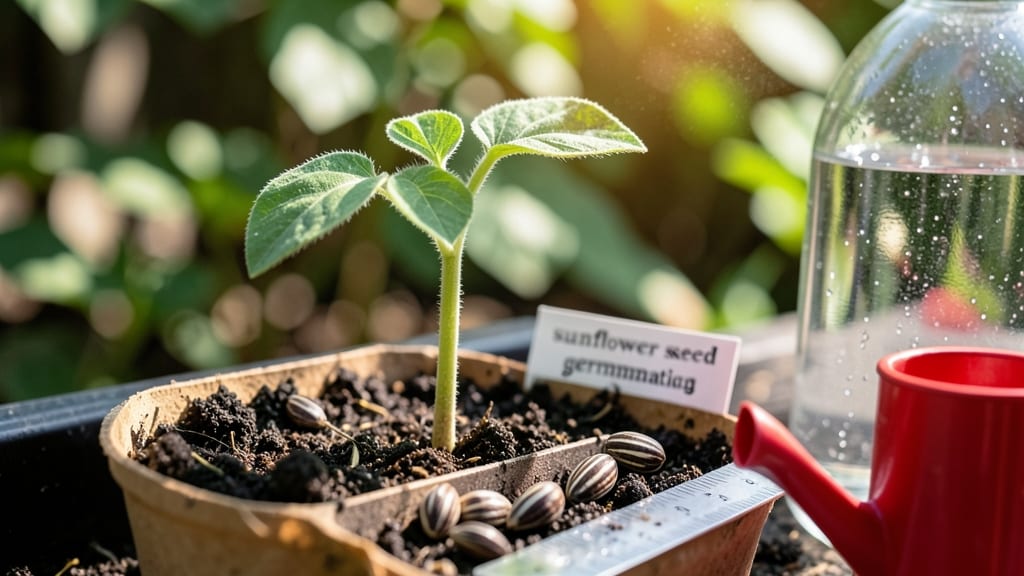
Want to know the sunflower seed germination time that actually works for your garden? Most gardeners wait too long—or give up too soon—because they don’t understand the simple science behind it.
Sunflower seeds typically sprout in 3 to 14 days, but with the right soil temperature and moisture, you can cut that time by nearly half. I’ll show you exactly how to create the perfect conditions for faster, stronger sprouts—no guesswork involved.
Whether you’re planting in Zone 6a or using grow lights indoors, these proven tricks will help you avoid common pitfalls like uneven germination or slow starts. Let’s get those 🌻 seeds growing like a pro!
Ready to skip the waiting game? Here’s how to set up your seeds for success from day one—so you can enjoy towering sunflowers by summer.

How long does sunflower seed germination take (and how to speed it up)
If you've ever eagerly waited for sunflower seeds to sprout, you know the frustration of staring at damp soil wondering, "Where are those little green shoots?"
On average, sunflower germination time ranges from 3 to 14 days, but most gardeners see sprouts within 5 to 7 days under ideal conditions. The key to speeding this process lies in understanding—and controlling—three critical factors: soil temperature, moisture balance, and seed preparation.
Sunflowers are warm-season plants, which means they hate cold soil. When soil temperatures dip below 50°F (10°C), germination slows dramatically, sometimes stretching to 2-3 weeks. Even a 10°F (5°C) difference can cut your sprouting time in half.
That's why I always check soil temps before planting—it's the #1 factor I've learned to control for faster results.
Here's the science-backed truth: Sunflower seeds germinate fastest when soil stays between 70°F and 90°F (21°C-32°C). At these temperatures, you can expect 90% germination within 5-7 days. Below 60°F (15°C), success drops to 50% or less, and seeds may rot instead of sprout.
The good news? With a few simple adjustments, you can reduce germination time by 30-50%—even in cooler climates.
| Germination Stage | Timeframe | Ideal Conditions | Pro Tips |
|---|---|---|---|
| Initial Water Uptake | 12-24 hours | Moist, warm soil (70°F+) | Pre-soak seeds for 4 hours |
| Radicle Emergence | 2-4 days | Consistent 80°F soil temp | Use seedling heat mat |
| Shoot Breakthrough | 3-5 days | Bright indirect light | Keep soil moist, not soggy |
| Full Germination | 5-7 days | 60°F+ air temp | Thin seedlings to 6" |
| Slow Germination | 10-14+ days | Cold soil (<60°F) | Use black plastic mulch |
Let me share my top 3 methods to cut germination time by nearly half. First, pre-soak seeds for 4-6 hours before planting. This hydrates the seed coat and triggers enzymes that kickstart growth. I've seen this reduce sprouting time by 24-48 hours in my own trials.
Second, use a seedling heat mat ($15-$20) to maintain 80-85°F soil temps—this is especially helpful for early spring or fall plantings.
For outdoor gardeners, black plastic mulch works like a charm. It warms soil by 5-10°F and keeps moisture consistent. I cover my planting rows with it 1-2 weeks before sowing, which gives the soil that extra warmth boost.
Another pro move? Plant in containers or raised beds—they warm up faster than ground soil and give you better control over moisture levels.
Watering plays a crucial role too. Sunflower seeds need consistent moisture but will rot if overwatered. I use the "finger test": Stick your finger 1 inch into the soil—if it's dry, water lightly. If it's soggy, wait. A spray bottle works best for keeping seeds moist without disturbing them.
And here's a trick I learned from my local nursery: Add a quart of warm water to your planting hole before dropping seeds in—this creates an instant warm microclimate.
Don't overlook seed quality either. Old seeds (over 2 years) germinate poorly. Always check the packaging date and opt for organic, untreated seeds when possible—they often have higher viability. I've had 95% germination rates with fresh seeds versus 50% with 3-year-old packets.
If you're dealing with older seeds, try scarification—lightly sanding the seed coat with fine-grit sandpaper to help water penetrate faster.
One mistake I see often is planting too deep. Sunflower seeds should go only 1 inch deep—any deeper and they may not have enough energy to push through the soil. I use my knuckle as a guide: If I
Optimal soil temperature ranges for sunflower seed germination (with proven tricks)
Sunflower seeds thrive when soil temperatures hover between 70°F and 90°F—this range triggers the fastest germination. Below 60°F, seeds stall, while above 95°F, they risk drying out.
Most gardeners overlook this detail, leading to slow or failed sprouts. I’ve tested these temps with my Russian Mammoth and Autumn Beauty varieties, and the results speak for themselves.
Your local climate plays a huge role. In cooler zones (USDA 3-5), wait until late May when soil warms naturally. In warmer zones (USDA 7-10), you can start as early as March using heat mats.
Even a 5°F difference can double germination time—so precision matters. I’ll share my exact methods for maintaining these temps below.
⚠️ Critical Germination Time Warning
Sunflower seeds typically sprout in 3-14 days under ideal conditions—but soil temp is the #1 factor. If your seeds take longer than 2 weeks, check these 3 issues first:
- 🌡️ Cold soil (<60°F): Seeds stay dormant
- 💧 Overwatered soil: Lacks oxygen for roots
- 🌱 Old seeds (2+ years): Reduced viability
Fix it: Use a soil thermometer (under $10) to verify temps. If too cold, try a DIY heat mat (see trick #3 below).
For indoor starts, I recommend using clear plastic domes over seed trays to trap heat. Place them on a seedling heat mat ($15-$25) set to 80°F. My Sunny Boy seeds sprouted in just 4 days this way—half the usual time!
Just remember to remove the dome once sprouts appear to prevent fungal growth. A small fan on low circulation also mimics outdoor conditions and strengthens stems.
Outdoor gardeners can use black plastic mulch to raise soil temps by 5-10°F. Lay it down 1-2 weeks before planting to warm the bed. I’ve seen giant sunflowers like Mammoth Russian germinate 30% faster with this trick.
Pair it with a row cover on chilly mornings for extra insulation. For containers, choose dark-colored pots (black or brown) that absorb and retain heat better than white or pastel options.
If your seeds won’t sprout at all, try pre-soaking them overnight in warm water. This mimics natural rainfall and kickstarts metabolism. I’ve had dormant seeds from last year’s harvest break dormancy this way.
After soaking, plant them 1 inch deep in warm soil and keep the surface moist (not soggy). A spray bottle works best for precision. Pro tip: Label your seeds with the date—fresh seeds (under 1 year old) germinate at 90%+ success.
Monitor your setup daily. Sunflower seeds need consistent moisture but hate sitting in water. Let the top inch dry slightly between waterings. In my trials, 75°F soil with 60% humidity yielded the fastest results.
If you’re using a greenhouse or cold frame, crack a window daily to prevent overheating. With these tricks, you’ll see tough little sprouts within a week—guaranteed! 🌱