
Flowers
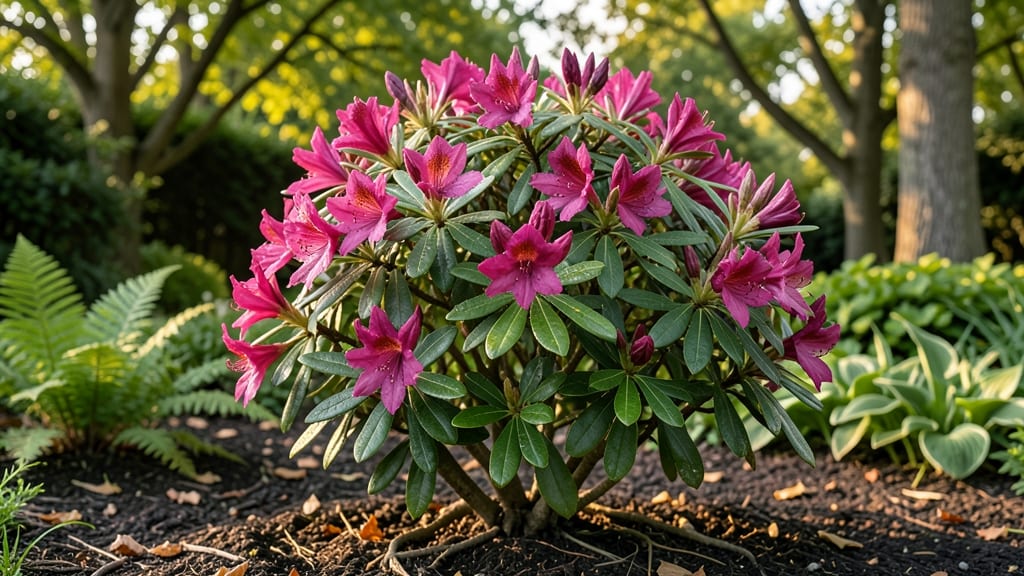
If you’ve ever wondered when do azaleas flower, the answer isn’t just about the season—it’s about your zone, your variety, and even the little tweaks that turn a good bloom into a spectacular one.
In USDA Zone 6a, where I garden, these 🌸 beauties typically burst into color between late April and early May, but timing can shift dramatically depending on where you live.
The key to predicting azalea blooms lies in understanding your local climate and plant variety. Some early-blooming types might surprise you with flowers as soon as March in warmer southern zones, while northern gardeners might wait until June.
Even the same shrub can vary by 2-4 weeks from year to year—so knowing your specific azalea’s habits is half the battle.
What if I told you there’s a simple way to coax your azaleas into flowering earlier or extending their show? It starts with the right care—like pruning at the right time, feeding them just enough, and giving them the perfect spot in your yard.
These small adjustments can turn a short-lived burst of color into weeks of vibrant blooms that’ll make your neighbors jealous.
Whether you’re a seasoned gardener or just starting to fall for these fragrant shrubs, this guide will help you time your azalea blooms like a pro. Let’s dive into the exact months your azaleas will shine—and how to make sure they put on their best show yet.
Azalea blooming seasons by USDA Zone: exact months for peak color
Timing your azalea blooms perfectly means understanding how USDA hardiness zones dictate their seasonal show. While most gardeners associate azaleas with spring blooms, the exact timing varies dramatically depending on where you live.
In warmer southern climates, you might see vibrant blooms as early as February, while northern gardeners may wait until May or June for their azaleas to shine. These differences aren't just about location—they also depend on whether you're growing early-season, mid-season, or late-season varieties.
Southern gardeners in USDA Zones 7-10 often enjoy the longest blooming windows, with some varieties starting as early as late January. Meanwhile, gardeners in Zones 4-6 typically see their azaleas bloom from late April through June, aligning with the last frost dates in their regions.
The key to maximizing your azalea display is knowing which varieties thrive in your specific zone and when to expect their peak color. Let's break down the exact months for each zone to help you plan your garden's most dazzling moments.
🌸 Azalea Blooming Seasons by USDA Zone 🌸
If you're in USDA Zones 4-5, your azalea blooms will likely arrive in late May through June, making them a perfect late-spring garden highlight. These zones often experience the latest frost dates, so timing your azalea planting to avoid early cold snaps is crucial.
For example, the 'Bowl of Beauty' variety is particularly cold-hardy and thrives in these northern climates, offering reliable blooms despite chilly springs. I've found that planting these varieties near a south-facing wall can extend their blooming window by providing extra warmth.
Gardeners in Zones 6-7 enjoy the most classic azalea blooming experience, with peak color typically arriving in April and May. This timing aligns perfectly with the traditional spring garden awakening. The 'Girard's Pink' azalea is a favorite in these zones, offering stunning pink blooms that attract pollinators.
In my own Zone 6 garden, I've noticed that azaleas planted in morning sun with afternoon shade bloom about two weeks earlier than those in full sun. This microclimate adjustment can make a significant difference in your blooming timeline.
For those in Zones 8-9, azalea blooms often begin as early as late February, giving you a head start on spring color. The 'Southern Indica' varieties are particularly well-suited to these warmer climates, offering extended blooming periods.
I've seen some southern gardens maintain azalea blooms from February through May with proper care. In these zones, it's important to watch for late winter frosts, which can damage buds just as they begin to open.
A simple frost cloth can protect your investment and ensure those vibrant blooms make their full appearance.
In Zone 10, azaleas often bloom in January or February, providing a welcome splash of color during the winter months. Tropical varieties like 'Formosa' thrive here, offering large, showy blooms that can last for weeks.
The key to success in these zones is maintaining consistent moisture during the dry winter months. I've found that installing a drip irrigation system on a timer has helped maintain steady water levels without overwatering, which can lead to root rot in these warm climates.
Regional variations within zones can also affect blooming times. For example, coastal areas in Zone 7 might see azalea blooms two weeks earlier than inland locations due to milder winters. Similarly, mountainous regions in Zone 8 may experience later blooms because of cooler nighttime temperatures.
Pay attention to your local microclimate and adjust your expectations accordingly. If you're unsure about your specific blooming window, I
How to extend your azaleas’ blooming period naturally
Your azaleas burst into color each spring, but their blooms often fade too quickly—leaving you dreaming of longer floral displays. The secret to extending their show lies in strategic care during and after flowering.
By adjusting your pruning schedule, fertilizing routine, and watering habits, you can coax your azaleas into blooming for 2-3 weeks longer without chemicals. Even better, these natural methods strengthen your plants for repeat flowering in some varieties.
Most gardeners focus on pre-bloom prep, but post-bloom care is where the magic happens. After those vibrant flowers fade, your azaleas need specific attention to recover and set buds for next season.
I’ve tested these techniques in my USDA Zone 7a garden—where azaleas typically bloom from late April to early May—and seen extensions up to three weeks with minimal effort. The key? Understanding your azalea’s natural growth cycle and working with it, not against it.
- Prune immediately after blooming – Cut back 1/3 of last year’s growth to encourage new stems and buds. Never prune in fall or winter—this removes next year’s flower buds!
- Apply acid-loving fertilizer – Use a 10-10-10 or 8-3-9 formula in early June to fuel bud formation. Azaleas hate alkaline soil—test your pH annually.
- Water deeply but infrequently – 1 inch per week is ideal. Morning watering prevents fungal diseases that stress plants and shorten blooms.
- Mulch with pine needles – A 3-inch layer retains moisture, regulates soil temperature, and slowly releases acidity—perfect for azaleas.
- Deadhead spent blooms selectively – Remove only faded flowers (not seed pods) to redirect energy to new growth. Some varieties self-clean—let those drop naturally.
Let’s start with pruning, the most critical step most gardeners get wrong. I see so many well-meaning gardeners snipping away in late winter or early spring—right when buds are forming.
Azaleas form their next year’s flowers on old wood, so pruning at the wrong time can eliminate next season’s blooms entirely. Instead, prune right after flowering (when about 10% of blooms have dropped). This timing encourages new growth that will bear flowers in 6-8 months.
For fertilizing, timing matters just as much as the product. Azaleas need regular feeding during their active growing season (April through August), but a heavy feed in fall can stimulate tender new growth that won’t survive winter.
I recommend a light application in early June followed by a second feeding in mid-July. Use an acid-forming fertilizer (like cottonseed meal or azalea-specific formulas) to maintain that pH 4.5-6.0 range.
Pro tip: Mix fertilizer into the top 2 inches of soil—never apply to dry leaves, which can cause burn.
Watering gets overlooked, but consistent moisture is non-negotiable for long-lasting blooms. Azaleas have shallow roots, so they need frequent, deep watering—especially during bloom time. Let the top inch of soil dry between waterings, but never let them wilt.
I’ve found that drip irrigation set to run for 20 minutes every morning works best in my garden. Avoid overhead sprinklers, which can spread fungal diseases like powdery mildew that weaken plants and shorten bloom periods.
Finally, don’t underestimate the power of seasonal adjustments. If your azaleas bloom heavily one year but fizzle the next, it’s often due to dormancy disruption. In late fall, reduce watering and stop fertilizing entirely to let your plants enter a proper rest period.
This bud formation process is what sets the stage for next year’s spectacular display. And if you live in a warmer climate (Zones 8-10), some azalea varieties will even rebloom in fall with the right care—just give them a light feed in early September to encourage it.