
Blooming
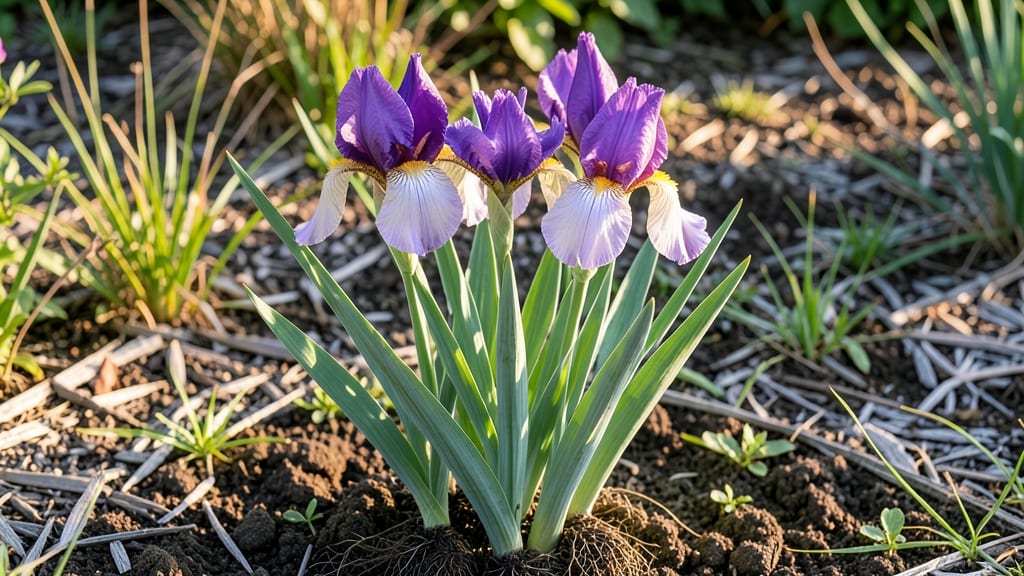
If your iris flowers seem to vanish overnight, timing is the key—and climate dictates when those stunning 🌸 blooms will make their grand entrance.
Most gardeners in USDA Zone 6a and beyond catch their first glimpses between late April and early May, but the exact window shifts dramatically depending on where you live.
Early bloomers like Siberian irises often greet spring as soon as the soil warms, while bearded varieties may wait until May or even June in cooler regions.
The difference between a 3-week bloom window and a 6-week one can hinge on just a few degrees of temperature or a single week of planting timing.
Curious about how to coax your irises into blooming earlier—or extend their show? The secret lies in understanding your local climate, choosing the right varieties, and a few simple planting tricks. Let’s break down exactly when to expect those showstopping petals in your garden.
Whether you’re a patient gardener waiting for the first signs of new growth or eager to adjust your care routine for peak blooms, this guide will help you predict—and even influence—your iris’s perfect bloom time. No more missed moments of color!
Iris bloom timing by USDA climate zones: when to expect flowers
Timing your iris blooms correctly depends heavily on your USDA climate zone, with variations spanning from early spring in the Deep South to late spring in colder regions.
Most irises bloom between March and May, but the exact window shifts dramatically depending on whether you're in Zone 3 or Zone 10. Understanding these patterns helps you plan your garden layout and enjoy those show-stopping blooms at their peak.
In cooler zones like 3-5, irises often wait until late spring—sometimes even early June—when soil temperatures finally warm. Meanwhile, gardeners in Zones 8-10 might see blooms as early as February, especially in microclimates with mild winters.
Regional differences also play a role: Pacific Northwest gardens may experience blooms weeks earlier than those in the Deep South due to cooler maritime climates.
Here’s a quick reference to pinpoint your zone’s ideal bloom period, including how microclimates (like urban heat islands or shaded slopes) can shift timing by weeks:
For gardeners in Zones 3-5, patience is key—your irises may not bloom until after the last frost, often aligning with late May or June. This delay gives them time to establish roots in cooler soils.
In contrast, Zones 7-10 often see blooms as early as February or March, making irises a reliable early-season star in warmer climates.
Regional quirks matter too. In the Pacific Northwest, cooler maritime air can push blooms into late April or May, while the Deep South might see flowers as early as January in ideal microclimates.
Even within a single zone, a south-facing garden bed can trigger blooms 2-3 weeks earlier than a shaded spot.
Bearded irises, the most common type, typically bloom 2-3 weeks earlier than Siberian irises in the same zone. This difference lets you layer blooms for a longer display. For example, in Zone 6, bearded irises might bloom in mid-April, while Siberian varieties follow in early May.
Microclimates are your secret weapon for fine-tuning bloom times. A south-facing slope can warm soil faster, advancing blooms by 1-2 weeks, while a north-facing bed might delay them. Urban heat islands also play a role—cities often see blooms 5-7 days earlier than surrounding rural areas due to retained heat.
If you’re in Zone 9 or 10, you might even spot winter-blooming irises like Iris histrioides, which defy the norm by flowering in December or January. These varieties thrive in mild winters and add a unique twist to traditional spring displays.
To maximize your iris blooms, align planting with your zone’s natural rhythm. In cooler zones (3-6), plant rhizomes in late summer or early fall to establish roots before winter.
In warmer zones (7-10), fall planting works best to avoid summer heat stress. This timing ensures your irises are ready to bloom at the optimal moment.
Pro tip: Mark your iris beds with stakes noting the first bloom date each year. Over time, you’ll spot patterns—like how a particularly cold spring might delay blooms by 10-14 days—and adjust your care routine accordingly.
With this zone-specific knowledge, you’ll transform your garden into a timed iris spectacle every spring. 🌸
How to adjust iris planting for earlier or later blooms
Want to shift your iris blooms earlier or later in the season? The key lies in when and how you plant them. Most gardeners plant irises in fall or early spring, but timing directly impacts bloom windows.
For example, fall-planted rhizomes often bloom 2-3 weeks earlier than spring-planted ones because they establish roots during cooler months. Let’s explore how to fine-tune your planting strategy for the perfect bloom schedule.
Another critical factor is soil temperature. Irises need a period of cool dormancy to trigger blooming. In warmer climates, planting deeper or using shade cloth can simulate cooler conditions. Meanwhile, Siberian irises naturally bloom later than bearded irises, making variety selection another powerful tool.
Let’s break down the exact steps to adjust your iris planting for the bloom time you desire.
- Plant in fall (Sept-Oct) for earlier blooms next spring. Roots establish during dormancy.
- Choose Siberian irises for late spring/early summer blooms (2-3 weeks later than bearded types).
- Use mulch or shade cloth in warm zones to cool soil and delay blooming by 1-2 weeks.
- Avoid over-fertilizing in early spring—this can push blooms too early and weaken plants.
- Divide overcrowded rhizomes in late summer to rejuvenate plants and reset bloom cycles.
One common mistake that delays blooms is planting irises too deep. The top of the rhizome should always remain exposed to sunlight. When buried, it rots and prevents flowering. Another pitfall is planting in soggy soil, which causes rhizome rot.
For later blooms, try planting in partial shade—this slows growth and delays flowering by 1-2 weeks compared to full sun.
For gardeners in Zone 5 or colder, fall planting is ideal. The rhizomes get a head start on root growth before winter, leading to earlier and more robust blooms the following spring.
In Zones 8-10**, spring planting works better because the ground stays warm longer, and you avoid winter stress. Always plant after the last frost date to prevent frost damage to emerging shoots.
If your irises aren’t blooming at all, check for nutrient deficiencies or pests like iris borers. A light application of 5-10-10 fertilizer in early spring can encourage blooming, but avoid heavy feeding—it can lead to lush foliage but fewer flowers.
For troubleshooting, dig up a rhizome and inspect for rot or damage. Healthy rhizomes are firm, plump, and free of soft spots.
Pro tip: Mark your planting dates and track bloom times for 2-3 years. This helps you refine your strategy. For example, if you plant Siberian irises in early fall and bearded irises in late spring, you can create a staggered bloom display from April through June.
With these adjustments, you’ll have irises blooming exactly when you want them—no more missed petals! 🌷