
Plants
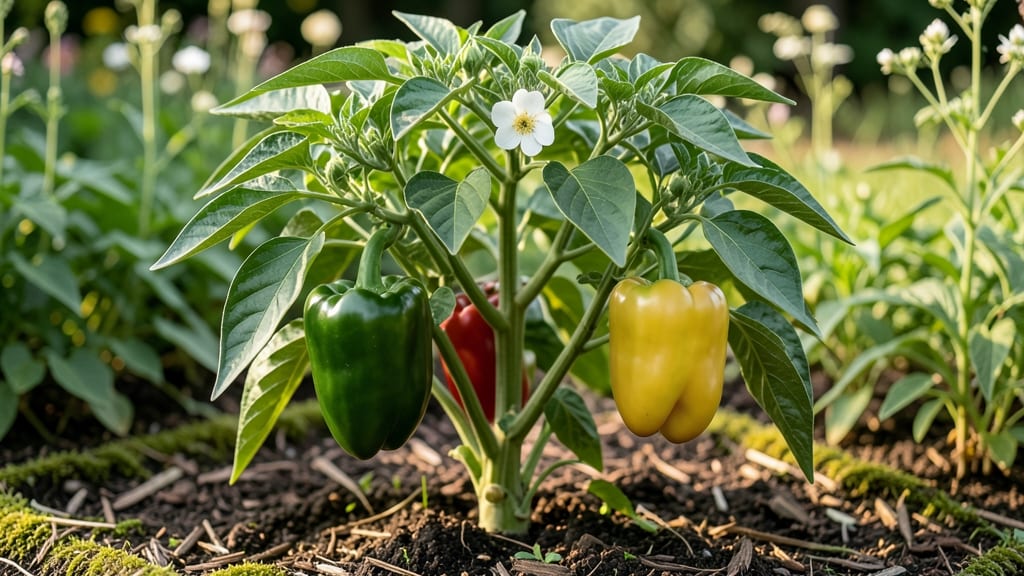
When do pepper plants flower at the right time means the difference between a kitchen full of fresh 🌶️ and empty vines staring at you from the garden. If you've ever waited patiently for those first blooms to appear—only to be met with silence—you're not alone.
The truth is, pepper plants need the perfect mix of warmth, sunlight, and maturity to kickstart their flowering phase.
In USDA Zone 6a, where many gardeners call home, timing is everything—most varieties start showing buds 60 to 75 days after transplanting, but cooler springs or late starts can push that window later.
What you might not realize is that small adjustments—like a little extra sunlight or the right fertilizer boost—can make all the difference. I’ll walk you through the exact signs to watch for and how to create the ideal conditions so your peppers don’t waste another season waiting to bloom.
Let’s get your plants on track for a harvest that’ll make your neighbors jealous—starting with the first critical step: recognizing when (and how) those flowers are about to appear.
Pepper plant flowering timeline by USDA heat zones (with critical stages)
If you're growing peppers, knowing when pepper plants flower is key to planning your harvest. The timeline varies dramatically by USDA heat zone, pepper variety, and transplant timing.
In cooler zones like Zone 5, you might see first blooms 8-10 weeks after transplanting, while in Zone 11, flowering can begin as early as 5-6 weeks. Understanding these differences helps you adjust your planting schedule and care routine for optimal fruit production.
Most pepper varieties need 60-90 days from transplant to first flower, but heat and daylight hours accelerate or delay this process. For example, jalapeños often flower faster than bell peppers, while hotter climates like Zone 10 can push flowering to start just 4-5 weeks after transplanting.
Let’s break down the critical stages by zone so you can set realistic expectations for your garden.
| USDA Zone | Transplant Time | First Blooms (Weeks After Transplant) | Peak Flowering | Notes |
|---|---|---|---|---|
| Zone 5 | Late May - Early June | 8-10 weeks | July - August | Use row covers to extend season; slow growth in cool temps. |
| Zone 6-7 | Early May - Mid-June | 6-8 weeks | June - September | Ideal for bell peppers; watch for late frosts. |
| Zone 8-9 | April - May | 5-7 weeks | May - October | Hot peppers thrive; mulch to retain moisture. |
| Zone 10-11 | March - April | 4-6 weeks | April - November | Year-round growing possible; shade cloth helps in extreme heat. |
In Zone 5, where summers are short, transplanting peppers after the last frost (typically late May) is crucial. First blooms usually appear 8-10 weeks later, meaning you’ll need to start seeds indoors 8-10 weeks before transplanting to meet this timeline.
Use black plastic mulch to warm the soil faster and encourage earlier flowering.
For Zones 6-7, the window expands slightly, with first blooms arriving 6-8 weeks after transplanting. This makes it easier to grow longer-season varieties like jalapeños or habaneros, which need more time to mature.
If you notice buds forming but no flowers, check for low humidity or nutrient deficiencies, both of which can stall blooming.
In warmer Zones 8-9, peppers often flower 5-7 weeks after transplanting, giving you a longer harvest season.
However, extreme heat can cause flower drop, so provide afternoon shade during heatwaves. Hot peppers like cayenne or serrano thrive here and may even produce multiple flushes of flowers if cared for properly.
Gardeners in Zones 10-11 enjoy the fastest flowering timelines, with blooms appearing 4-6 weeks after transplanting. This allows for year-round pepper production with staggered plantings. However, high humidity can promote fungal diseases, so ensure good airflow around plants and avoid overhead watering.
To optimize flowering across all zones, focus on consistent watering and balanced fertilization. Use a 10-10-10 NPK fertilizer when plants are 4-6 inches tall and again when buds form.
Avoid over-fertilizing with nitrogen, as this promotes leafy growth at the expense of flowers. Instead, prioritize phosphorus and potassium to encourage blooming.
One common mistake is transplanting peppers too early in cooler zones. If soil temperatures drop below 60°F, roots struggle to absorb nutrients, delaying flowering. Use a soil thermometer to monitor temperatures and wait until the soil consistently stays above 65°F before planting.
Pay attention to daylight hours as well. Pepper plants need 12-14 hours of daylight to trigger flowering. In northern zones, supplement with a grow light if natural daylight drops below 10 hours per
5 Signs your pepper plant is ready to flower (and how to speed it up)
If your pepper plants are still looking like leafy bushes without a single bloom, don't panic! Pepper plants take time to mature before they flower, but knowing the key signs can help you predict when to expect those first white or purple flowers.
The good news? Once you spot these signs, you can take action to encourage faster blooming and a bountiful harvest.
Pepper plants typically need 60-75 days from transplanting to start flowering, but this timeline shifts based on your USDA heat zone, variety, and growing conditions. For example, jalapeños and hot peppers often flower faster than bell peppers, which may take closer to 90 days.
Paying attention to your plant's physical cues—and adjusting care—can make all the difference.
- 1 Your pepper plant has 12-16 mature leaves (excluding seed leaves).
Count the true leaves (not the first few seed leaves). A healthy pepper plant will develop 5-7 leaves per branch before flowering.
- 2 The main stem is 1/4 to 1/2 inch thick at the base.
Use your thumb to check. A thicker stem means the plant has stored enough energy to produce flowers and fruit.
- 3 Nighttime temperatures are consistently above 60°F.
Peppers need warm nights to trigger flowering. If temps drop below 55°F, blooms may fail to open or set fruit.
- 4 You see tiny buds forming in the leaf axils (where leaves meet the stem).
These flower buds look like tiny green bumps. They’ll grow into white or purple flowers within 1-2 weeks.
- 5 The plant has reached 60% of its mature height.
For example, if your jalapeño will grow 3 feet tall, flowering starts when it’s about 1.8 feet. This shows the plant is ready to shift energy to reproduction.
Once you spot these signs, your pepper plant is primed to flower—but you can speed up the process with a few tweaks. Start by ensuring your plants get 6-8 hours of direct sunlight daily.
If you’re in a cooler climate (USDA Zones 5-7), consider using a grow light for 12-14 hours a day to mimic longer summer days. Peppers thrive with warmth and light, so avoid placing them in shaded spots or drafty areas.
Another key factor is fertilizer. Switch to a low-nitrogen, high-phosphorus fertilizer (like a 5-10-10 blend) to encourage blooming. Apply it when you see those first flower buds forming, and water deeply to help the nutrients absorb.
Avoid over-fertilizing with nitrogen-heavy mixes, as this promotes leafy growth at the expense of flowers. If your soil is lacking, a compost top-dressing can also give your plants a gentle boost.
Finally, if your pepper plants are still slow to flower, check for stress signs like yellowing leaves or stunted growth. These could indicate overwatering, underwatering, or pest issues.
Adjust your watering schedule to keep soil consistently moist but not soggy, and inspect leaves for aphids or spider mites, which can sap energy. With the right care, you’ll see those first white flowers in no time—and soon, you’ll be picking peppers straight from the vine! 🌶️