
Flowers
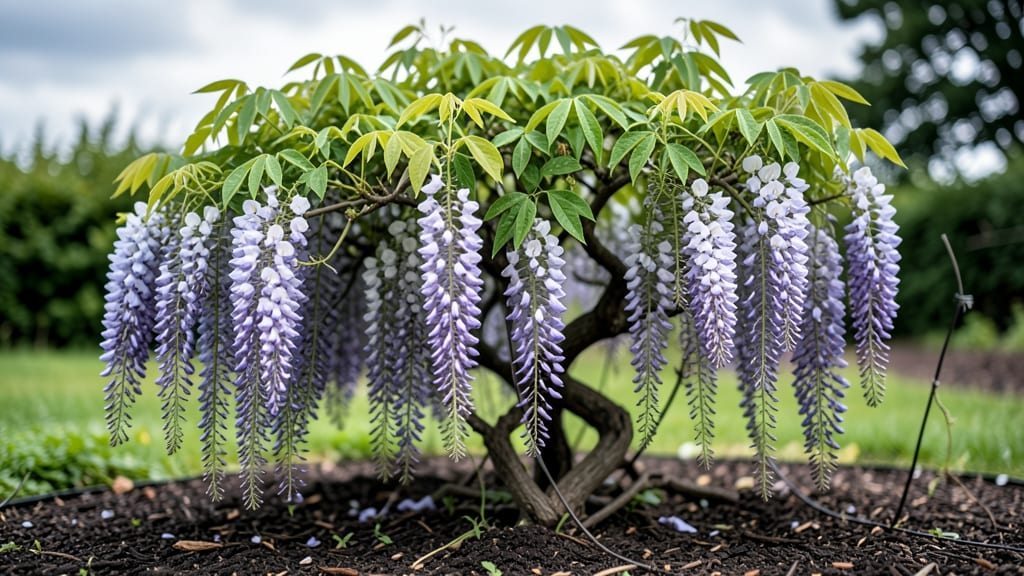
If you’ve ever waited patiently for your 🌸 wisteria to bloom—only to be left staring at bare branches wondering when do wisteria flowers bloom, you’re not alone.
The truth is, most wisterias in USDA Zone 6a (like mine) burst into fragrant clusters between late April and June, but getting them there takes more than luck.
Timing your expectations matters because wisteria blooms rely on last year’s growth, not this season’s. That means pruning in late winter and understanding your climate’s quirks can shift your bloom window by weeks. I’ll show you exactly how to align your care with nature’s schedule for reliable flowers.
Whether you’re growing Wisteria sinensis or Wisteria floribunda, knowing the right cues—like bud swelling in spring—can transform your patience into a show-stopping display. Let’s break down the science behind bloom times and how to coax your vine into its best performance.
By the end, you’ll know not just when your wisteria flowers bloom, but how to make it happen every year. No more guessing—just gorgeous, fragrant clusters right on schedule.
Wisteria blooming months by USDA Zone: exact timeline for peak flowers
Wisteria’s stunning fragrant blooms transform gardens into fragrant paradises—but their timing varies dramatically by USDA zone. Understanding your region’s bloom window helps you plan pruning, fertilization, and even enjoy those show-stopping purple clusters at their peak.
Most wisteria varieties bloom between late spring and early summer, but cooler northern zones may see flowers as early as March, while southern climates often wait until May or June.
Climate plays a critical role: wisteria needs chilling hours (typically 500–1,000 hours below 45°F) to trigger bud formation. Warmer zones may require dormant-season chill or even artificial cooling for reliable blooms.
Meanwhile, mature vines (5+ years old) bloom more consistently than young plants, which often focus energy on root and vine growth instead of flowers.
Below, I’ve broken down exact bloom windows by USDA zone, including regional variations and climate tips to maximize your wisteria’s floral performance. Whether you’re in Zone 4’s harsh winters or Zone 9’s mild climate, this guide ensures you’ll never miss a bloom again.
🌸
In Zone 4, wisteria’s early blooms (late April–May) coincide with spring’s last frost, making them vulnerable to late-season cold snaps. I’ve seen Amethyst Falls in my Zone 5 garden push blooms forward by 2 weeks with late-winter pruning to remove dead wood and encourage new growth.
Meanwhile, Zone 9’s mild winters often result in January–March blooms, but these vines may struggle without additional chilling.
Regional microclimates also shift bloom times. For example, Pacific Northwest gardens in Zone 8 (like Seattle) may see blooms 3–4 weeks earlier than those in Florida’s Zone 9 due to cooler coastal air. If you’re in a hot inland zone, consider
How to predict wisteria blooming time based on plant Age and pruning
Predicting when your wisteria flowers will bloom depends on two critical factors: your vine's maturity stage and your pruning strategy. Unlike annuals, wisteria is a perennial vine that needs patience—typically 3-5 years before producing its first meaningful blooms.
Even then, proper pruning can shift bloom timing by months, so understanding these factors will help you plan for those dreamy cascading clusters.
Most gardeners assume wisteria blooms annually, but young plants (under 3 years) often skip flowering entirely while focusing on root and vine establishment. Even mature vines may produce fewer flowers if pruned incorrectly.
The key is balancing late-winter pruning with letting the plant store enough energy in its woody stems for spring blooms. Let me break down how to sync these factors for reliable flowers.
- 📅 Age 1-2 Years: No flowers—focus on root growth. Prune lightly to encourage establishment.
- 📅 Age 3-5 Years: First sparse blooms appear on old wood (last year's growth). Prune after flowering to preserve next year's buds.
- ✂️ Late Winter Pruning (Jan-Feb): Cut back 1/3 of last year's growth to redirect energy to new flowering wood. Avoid heavy pruning—this delays blooms.
- 🌿 Spring Cues: Look for plump green buds on old wood by March-April. These signal 6-8 weeks until bloom.
- 🌸 Mature Vines (5+ Years): Full blooms appear March-June, depending on USDA zone. Prune immediately after flowering to shape and encourage next year's buds.
Your wisteria's age is the foundation for bloom timing. Young vines (years 1–2) will never bloom—they’re too busy building roots and vines. By year 3, you might see a few weak flower clusters, but these are often short-lived because the plant isn’t yet storing enough energy.
The real magic happens at years 4–5, when properly pruned vines can produce abundant, fragrant blooms.
Timing your late-winter pruning is non-negotiable. If you prune too early (Dec–Jan), you risk removing next year’s flower buds, which form on the previous year’s wood. Conversely, pruning too late (March) can stimulate leafy growth at the expense of blooms.
Aim for late January to early February in most USDA Zones 5–9, adjusting slightly for colder zones (wait until after last frost).
Seasonal cues are your best friends for predicting blooms. In early spring, inspect your wisteria for swollen buds on last year’s stems—these are your flower promises. Count backward 6–8 weeks from when you spot them to estimate bloom time.
For example, if buds swell in mid-March, expect flowers by late April to early May. Pair this with your pruning notes (did you cut back aggressively last winter?) to refine your forecast.
Pro tip: Keep a gardening journal to track your wisteria’s progress. Note the year you planted it, when you pruned, and when buds appeared. Over time, you’ll spot patterns—like how your Wisteria floribunda blooms 2 weeks earlier than your Wisteria sinensis—and adjust your care routine accordingly.
With this approach, you’ll go from guessing to predicting blooms with near-perfect accuracy.