
Flowers
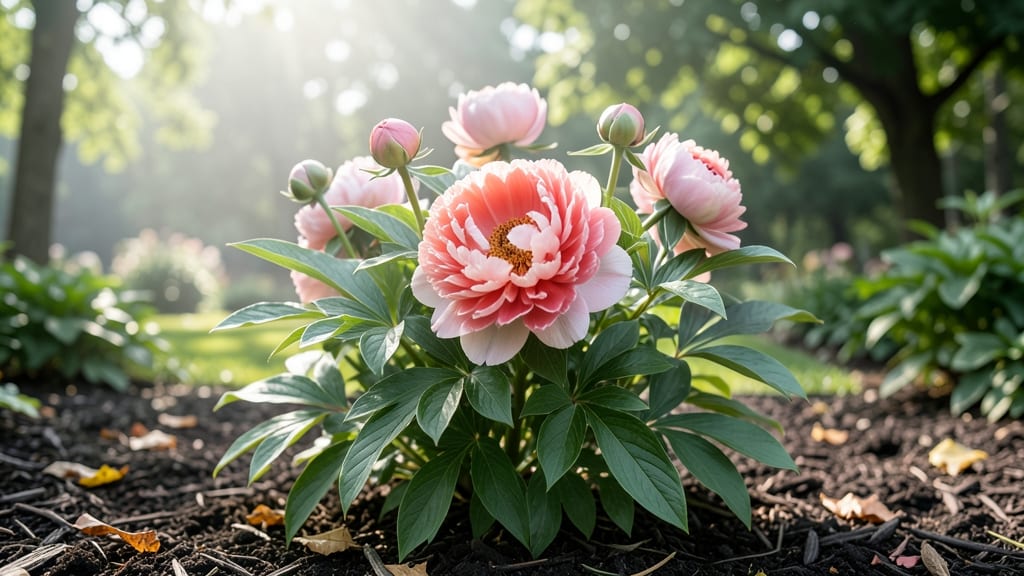
If you’ve ever eagerly waited for those lush 🌸 peony blooms to flower, you know timing is everything. Peonies typically burst into color between late April and June, but the exact months depend on where you live—and your plant’s maturity.
In my USDA Zone 6a, I’ve learned the hard way that rushing to prune too early can cut blooms short, while patience pays off with fuller, longer-lasting flowers.
What most gardeners don’t realize is that peony bloom times shift dramatically across regions. A neighbor in Zone 5 might see May flowers, while someone in Zone 8 could enjoy them as late as June or even July.
Even within the same zone, microclimates—like a sunny south-facing slope—can push blooms earlier by weeks. The key? Understanding your local frost dates and how they interact with your peony’s natural rhythm.
Beyond location, factors like variety, soil health, and last year’s care play huge roles. Dwarf varieties often bloom first, while standard types take their time, and well-fed plants reward patience with bigger, more abundant blooms.
I’ll show you how to read your plant’s signals—like bud swelling—and adjust care to extend that show-stopping display for as long as possible.
Ready to turn your peony patch into a seasonal highlight? Let’s break down exactly when to expect those romantic, fragrant blooms in your area—and how to give them the best shot at a stunning performance year after year.
Peony bloom times by USDA zone: exact months to expect flowers
Peonies are legendary for their lush, fragrant blooms, but their flowering windows shift dramatically depending on your USDA hardiness zone. In cooler zones, you might see early May blooms, while gardeners in warmer regions could enjoy late June flowers.
Understanding these patterns helps you plan your garden and set realistic expectations for your peony varieties. Let’s break down the exact months to expect flowers across USDA Zones 3 through 9, including adjustments for microclimates.
Peony blooms are triggered by a combination of chilling hours (cold winter temperatures) and warm spring days. Most peonies need 600-900 hours of chilling below 45°F (7°C) to flower reliably. This means gardeners in Zones 3-5 often see blooms 2-4 weeks earlier than those in Zones 7-9.
Even within a single zone, a cooler microclimate (like a shaded valley) can delay blooms by 10-14 days, while a warmer microclimate (like a south-facing slope) may advance them.
Here’s a zone-by-zone breakdown of when to expect peony flowers, including early, mid, and late bloomers within each zone. Use this as your guide to anticipate—and even extend—your peony’s blooming season.
| USDA Zone | Early Bloomers | Mid-Season Bloomers | Late Bloomers | Microclimate Adjustment |
|---|---|---|---|---|
| Zones 3-4 | Late April - Early May | Mid-May | Early June | Cooler areas: 1-2 weeks later |
| Zones 5-6 | Early May | Late May | Early June | Warmer slopes: 1 week earlier |
| Zones 7-8 | Mid-May | Late May - Early June | Mid-June | Shaded areas: 10-14 days later |
| Zone 9 | Late May | Early June | Late June | Hot inland areas: 1 week later |
In USDA Zones 3-4, peonies often bloom as early as late April, thanks to their long, cold winters that satisfy chilling requirements. Varieties like ‘Sarah Bernhardt’ and ‘Bowl of Beauty’ are classic early bloomers in these regions.
If you’re in a cooler microclimate, such as a high-elevation garden or a shaded valley, expect blooms to push back by 1-2 weeks. Conversely, a south-facing slope can advance blooms by 5-7 days.
Gardeners in Zones 5-6 typically see their peonies open in late May, with some early varieties like ‘Coral Charm’ blooming as soon as early May. These zones offer a broad bloom window, often spanning 4-6 weeks.
If your garden experiences unusually warm winters, your peonies might not get enough chilling hours, leading to delayed or sparse blooms. To counteract this, consider mulching heavily in winter to ensure consistent cold exposure.
For those in Zones 7-8, peony blooms arrive 1-2 weeks later than in cooler zones, often gracing gardens from mid-May to mid-June. Varieties like ‘Duchesse de Nemours’ thrive here, offering late-season blooms.
In these warmer zones, shaded microclimates can delay blooms by 10-14 days, while full-sun locations may encourage earlier flowering. If you’re in a Zone 7 garden with hot summers, prioritize afternoon shade to prevent bud drop.
In Zone 9, peonies are often late bloomers
Why peony blooming dates vary: climate, variety, and care factors
Peonies are famous for their lush, fragrant blooms, but their blooming windows can shift dramatically from year to year. If your herbaceous peonies bloom in May one year and June the next, don’t panic—it’s all about climate cues, variety traits, and even your gardening habits.
Understanding these factors helps you predict—and even influence—when your peonies will burst into color.
First, temperature fluctuations are the biggest wild card. Peonies need a period of cold dormancy to trigger blooming, but too much or too little cold can delay flowers. For example, USDA Zone 5 gardeners often see blooms in late May, while Zone 7 peonies may wait until June.
Even within the same zone, microclimates—like a sunny hillside versus a shaded valley—can push blooms earlier or later.
- 🌡️ Chill Hours: Peonies need 400-600 hours below 40°F to bloom reliably.
- 🌿 Variety Type: Tree peonies bloom later (June-July) than herbaceous peonies (May-June).
- ☀️ Sunlight Exposure: 6+ hours of sun speeds up blooming; partial shade can delay it.
- 💧 Soil Moisture: Consistent moisture in early spring encourages bud formation.
- ✂️ Pruning Timing: Cutting back after blooming (not in fall) prevents missed flowers.
- 🌱 Plant Maturity: Young peonies (under 3 years old) may bloom lightly or not at all.
- 🌦️ Weather Patterns: Unseasonably warm winters or cool springs can shift bloom dates by weeks.
Your peony variety also plays a starring role. Early bloomers like ‘Sarah Bernhardt’ open in late May, while late varieties such as ‘Duchesse de Nemours’ wait until June. Even within the same species, tree peonies (like Paeonia suffruticosa) bloom 2-4 weeks later than their herbaceous cousins.
If you’re craving earlier blooms, opt for intersectional hybrids, which often strike a balance between the two.
Don’t underestimate the power of soil health and fertilization. Peonies thrive in well-draining, slightly alkaline soil (pH 6.5-7.5). A phosphorus-rich fertilizer (like 5-10-10) in early spring gives them the energy to produce buds, while over-fertilizing with nitrogen can lead to lush foliage but fewer flowers.
I once had a peony bush that refused to bloom until I amended the soil with compost and bone meal—now it’s a flowering powerhouse!
Your pruning habits can also throw off bloom timing. If you prune too late in fall (after leaf drop but before hard frost), you risk cutting off next year’s flower buds. Always wait until late fall or early spring to trim dead foliage, leaving 2-3 inches of stems.
And never prune right after blooming—this can remove next year’s buds hidden in the foliage.
Finally, plant age matters. Young peonies (under 2-3 years old) often produce smaller blooms or none at all as they establish roots. Patience is key—once mature, a healthy peony can live (and bloom!) for 50+ years.
If your established peony suddenly skips blooming, check for root damage, overcrowding, or disease like botrytis blight, which can weaken the plant.
By tuning into these factors, you’ll gain control over your peony’s bloom schedule. Next time you spot a neighbor’s peonies opening in May, you’ll know whether it’s their variety choice, microclimate, or just great gardening luck!
With the right care, your peonies can become the showstopper of your spring garden every year. 🌸