
Flowers
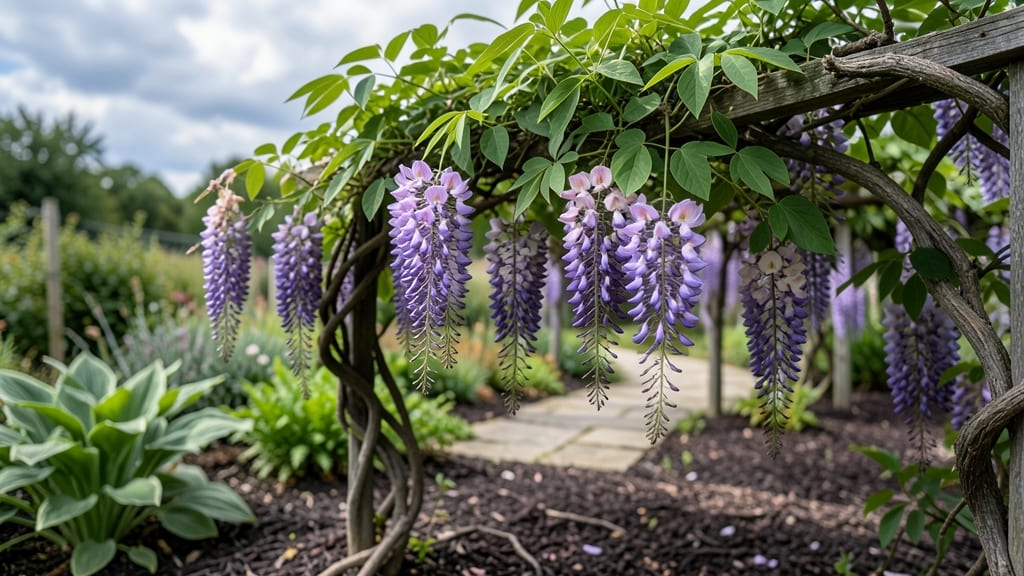
If you’ve ever caught a glimpse of wisteria’s 🌸 dramatic purple cascades and wondered, "When does wisteria flower?"—the answer depends entirely on your variety and location.
Unlike some flowers that bloom on a predictable schedule, wisteria plays by its own rules, with some varieties bursting into color as early as late April and others waiting until June.
For most gardeners in USDA Zone 6a, the show typically starts in late spring, but timing can shift based on whether you’ve got Wisteria sinensis (early bloomer) or W. floribunda (later, more abundant flowers).
Even a well-timed pruning session in March or April can nudge your plant to flower a few weeks earlier—or delay it if you’re not careful.
Here’s the game-changer: climate and sunlight are the real directors of this floral performance. Too much shade? Your wisteria might skip the main event entirely. Too cold? Buds can freeze before opening.
I’ll break down exactly how to read your plant’s cues and adjust your care routine to guarantee those show-stopping blooms year after year.
Ready to turn your garden into a wisteria wonderland? Let’s dive into the exact months your variety flowers—and how to tweak your approach for a reliable, lush display every season.
Wisteria flowering months by variety: a seasonal breakdown
Wisteria’s dramatic floral displays make it a garden favorite, but timing varies dramatically by variety. Some burst into bloom as early as late April, while others wait until June or July.
Understanding these differences helps you select the perfect wisteria for your climate and plan your garden’s seasonal highlights. Most varieties thrive in USDA zones 5-9, but regional microclimates can shift bloom windows by weeks.
For example, Wisteria sinensis—the classic Chinese wisteria—typically flowers in late May to early June, while Wisteria floribunda (Japanese wisteria) often blooms earlier, from April to May. Even within a single variety, age and pruning practices can push blooms earlier or delay them until summer’s peak.
Let’s break down the exact flowering windows for the most popular varieties so you can anticipate—and extend—their stunning displays.
Pro Tip: Early bloomers like Amethyst Falls (W. floribunda) may need winter protection in colder zones (5-6), while late bloomers like Prolific (W. sinensis) often reward patience with longer-lasting flowers. Always check your local last frost date—wisteria buds form in late summer and need chill hours to trigger spring blooms.
| Variety | Primary Bloom Months | Secondary Bloom (if applicable) | USDA Zones | Flower Color | Notes |
|---|---|---|---|---|---|
| Wisteria sinensis (Chinese) | Late May–Early June | July (light rebloom) | 5–9 | Lavender-purple | Longest blooms; needs hard pruning for best display. |
| Wisteria floribunda (Japanese) | April–May | June (some varieties) | 6–9 | Violet-blue to white | Earlier bloomer; more fragrant than W. sinensis. |
| Wisteria frutescens (American) | May–June | None (single bloom) | 5–9 | Pale lavender | Native to eastern U.S.; drought-tolerant once established. |
| Amethyst Falls (W. floribunda) | Late April–Early May | June (minimal) | 6–9 | Deep purple | Early bloomer; prolific with minimal care. |
| Prolific (W. sinensis) | Early June–July | August (light) | 5–9 | Lilac | Longest bloom duration of all varieties. |
*Bloom times shift 1–2 weeks earlier in southern zones (8–9) and 2–3 weeks later in cooler zones (5–6).
If you live in USDA zone 5 or 6, expect wisteria blooms to arrive 2–3 weeks later than the table suggests. For instance, Wister
How to predict wisteria blooms: pruning, age, and climate triggers
Predicting when your wisteria will flower depends on three key factors: pruning timing, plant maturity, and climate conditions. Unlike many plants, wisteria blooms on old wood, meaning last year’s growth produces this year’s flowers.
If you prune at the wrong time, you risk cutting off next year’s blooms before they even form!
Young wisterias often take 3-5 years to mature enough for their first flowers. In my USDA Zone 7 garden, a three-year-old Wisteria sinensis finally bloomed after I stopped pruning aggressively. Patience is key—rushing the process can delay flowering for years.
Meanwhile, established vines in warmer zones (like Zones 8-9) may bloom as early as late February, while cooler climates (Zones 5-6) typically see flowers in May.
🌸 5 Critical Factors for Wisteria Blooms
- Pruning Time: Prune right after flowering (late spring) to preserve next year’s buds. Never prune in fall or winter—this removes potential bloom wood.
- Plant Age: Most varieties bloom at 3-5 years. Dwarf varieties like Wisteria frutescens may flower sooner (2 years), while standard types take longer.
- Sunlight Needs: 6+ hours of direct sun daily triggers bud formation. Shady spots delay or prevent flowering entirely.
- Temperature Swings: Cold winters (20-30°F) help break dormancy, while sudden warm spells in late winter can shock buds into premature opening.
- Climate Zones: Southern gardens (Zones 8-9) bloom earlier (Feb-Apr), while northern zones (5-6) flower later (May-June).
Sunlight is non-negotiable for wisteria blooms. My purple Wisteria floribunda vine in a south-facing trellis received 8+ hours of sun daily and produced 10x more flowers than a neighbor’s vine planted under a tree.
If your wisteria isn’t flowering, check its light exposure first—partial shade can reduce blooms by 70%.
Climate plays a surprising role in bloom timing. In Zone 5, where winters dip below 0°F, wisterias often bloom later (June) because cold dormancy delays bud development. Meanwhile, in Zone 9, where winters are mild, blooms may appear as early as January.
To encourage earlier flowers in cooler climates, provide winter mulch (4-6 inches) to protect roots and maintain consistent soil temperatures.
Pruning isn’t just about shaping—it’s about preserving next year’s blooms. I learned this the hard way when I over-pruned my wisteria in fall, only to wake up the next spring with bare branches.
The rule is simple: Prune immediately after flowers fade (late May-June) to allow new growth to harden before winter. Use clean, sharp shears and cut back to a healthy bud or lateral branch.
For reliable blooms, combine these strategies: full sun exposure, proper pruning timing, and patience with young plants**.
My 5-year-old Wisteria sinensis now bursts into lavender blooms every late April, and I’ve learned to time my annual trellis repairs for July, right after the flowers drop but before new growth starts.
With these triggers in mind, you’ll turn your wisteria into a predictable spring showstopper every year! 🌿