
Vegetables
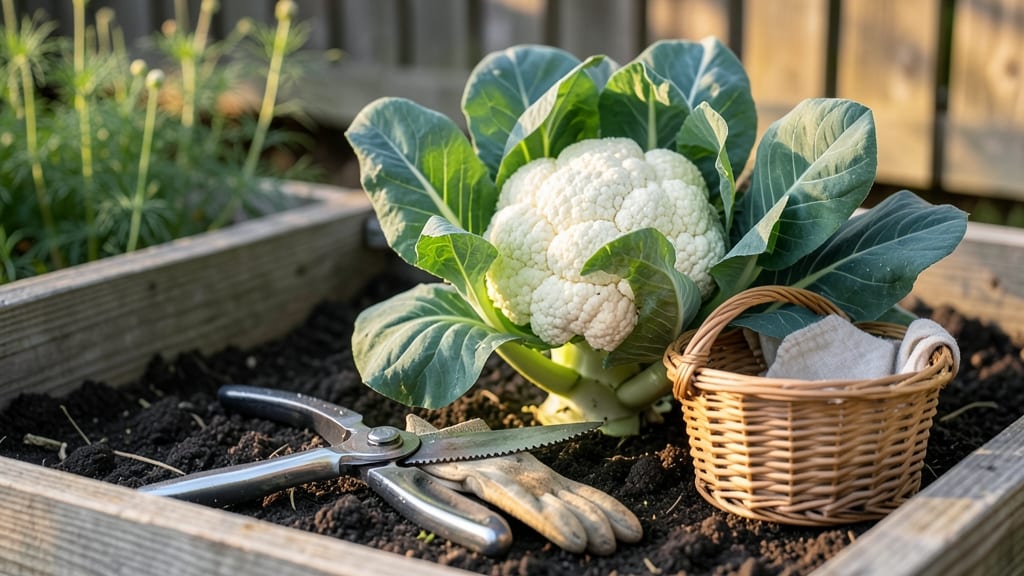
Knowing when is cauliflower ready to be picked is the key to turning your garden’s best head into a crisp, flavorful prize—and trust me, nobody wants a bitter, tough disappointment. The secret lies in timing, not just days, but in reading the plant’s visual cues.
Most gardeners wait too long, missing the sweet spot when the curds are firm, compact, and fully colored. But here’s the thing: timing isn’t just about days—it’s about signals like leaf yellowing or head size. I’ll show you the 3 key signs to look for so you never guess again.
Whether you’re growing Snowball, Purple, or another variety, these tips work for USDA Zone 6a and beyond. By the end, you’ll know exactly when to grab your knife and bring in the harvest—plus, I’ll share a quick trick to keep your cauliflower fresh for days afterward.
Ready to go from “meh” harvests to perfect heads every time? Let’s dive into the details so you can enjoy that garden-fresh taste without the guesswork.
3 Visual signs your cauliflower is ready for harvesting
Knowing exactly when to harvest your cauliflower can transform your garden bounty from crisp perfection to bitter disappointment. The difference lies in recognizing three key visual cues that signal peak ripeness. These signs ensure you enjoy the best flavor and texture—no more guessing games in your garden!
The moment you spot these indicators, grab your harvesting tools and get ready for a delicious reward.
Timing matters because cauliflower heads continue to develop after reaching maturity. Waiting too long turns them woody and tough, while harvesting too early means small, underdeveloped curds.
Mastering these visual cues gives you the confidence to harvest at the perfect moment, every single time. Let's break down what to look for in your garden beds.
Look for a firm, compact head that measures about 6-8 inches wide. This is the ideal size for most varieties, though dwarf types may be smaller. The head should feel solid when gently squeezed—no give or soft spots.
The head should display its true variety color—whether pure white, purple, or orange. Avoid heads with yellowing or browning patches, as this indicates overmaturity. The color should be even and bright, not dull or fading.
The leaves surrounding the head should begin to yellow and die back. This is nature's way of telling you the head is ready. If the leaves are still green and healthy, the head needs more time. Remove these yellow leaves to expose the head and make harvesting easier.
Don't overlook the importance of the outer leaves—they protect the developing head. When they start yellowing, it's a clear signal that the head beneath is ready. I always check this first because it's the most reliable indicator of maturity.
The leaves act like a natural shield, and their condition gives you the first clue about what's happening inside.
For purple or orange varieties, the color change is especially important. These types can sometimes appear ready when they're not fully mature. Always confirm with the other two signs—head size and leaf condition—before deciding it's time to harvest.
The color should be deep and uniform, not streaked or fading.
One common mistake I see in home gardens is harvesting based on calendar dates rather than visual cues. Cauliflower doesn't follow a strict schedule—it matures based on growing conditions. If your plants are in cooler weather, they may take longer to reach harvest size.
Always prioritize what you see in the garden over what you expect based on timing.
After confirming all three signs, harvest your cauliflower by cutting the stem about 1-2 inches below the head. Use a sharp knife or pruners to make a clean cut. This prevents damage to the plant and encourages any side shoots that might develop for a second harvest.
Remember, the cleaner the cut, the longer your cauliflower will stay fresh.
Once harvested, store your cauliflower in the refrigerator for up to a week. For longer storage, wrap the head in a damp paper towel and place it in a plastic bag.
This method helps maintain moisture and freshness. The sooner you use your freshly harvested cauliflower, the better it will taste—so plan your meals accordingly!
Mastering these three visual signs will give you consistent, high-quality harvests every season. The more you practice identifying these cues, the more intuitive it becomes. Soon, you'll be harvesting cauliflower at the perfect moment without even thinking about it—just like a seasoned gardener! 🥬
How long does cauliflower take to mature? (By variety)
Cauliflower isn’t a one-size-fits-all crop—different varieties mature at distinct speeds, so knowing your plant type is key to timing harvests perfectly. Whether you’re growing Snowball, Purple, or Romanesco, each has its own timeline that affects when you’ll enjoy that crisp, tender head.
I’ve grown all three, and trust me, patience pays off when you avoid woody or bitter cauliflower!
Most cauliflower varieties take between 50 to 100 days to mature, but this range shifts based on your climate and planting method. Cool-season varieties like Snowball often mature faster in spring, while heat-tolerant types like Romanesco may take longer in summer.
Even a 10-day difference can mean the difference between a perfect harvest and a missed opportunity.
| Variety | Days to Maturity | Best Planting Time | Head Size | Climate Notes |
|---|---|---|---|---|
| Snowball | 50-70 days | Spring/Fall | 6-8 inches | Fastest in cool weather; avoid summer heat |
| Purple | 60-80 days | Spring | 5-7 inches | Tolerates slight heat better than Snowball |
| Romanesco | 70-100 days | Spring/Fall | 4-6 inches | Needs consistent moisture; slower in heat |
| Graffiti | 60-75 days | Spring | 6-8 inches | Colorful; thrives in cooler temps |
If you’re planting in spring, aim for a harvest in late spring to early summer, while fall plantings often yield mature heads by autumn. I’ve found that direct-sown seeds mature slightly faster than transplants, but only by about 5-7 days.
For example, my Snowball cauliflower hit maturity in 62 days when started from seed in March, while the same variety took 68 days when transplanted.
Your local climate plays a huge role—cauliflower hates heat, so in hotter zones, you might need to extend the timeline by 10-15 days or plant in shade cloth. In cooler regions, varieties like Romanesco can mature earlier if given consistent moisture.
I once grew Romanesco in Zone 6a and harvested it in 72 days by keeping the soil evenly moist and using mulch to retain coolness.
Pro tip: Check your seed packet for exact days to maturity—it’s your best guide! But remember, these are estimates, not rules. Adjust based on your plant’s visual cues (like the ones I mentioned earlier) and your garden’s unique conditions.
The right balance of patience and observation will give you the perfect cauliflower every time!