
Plants
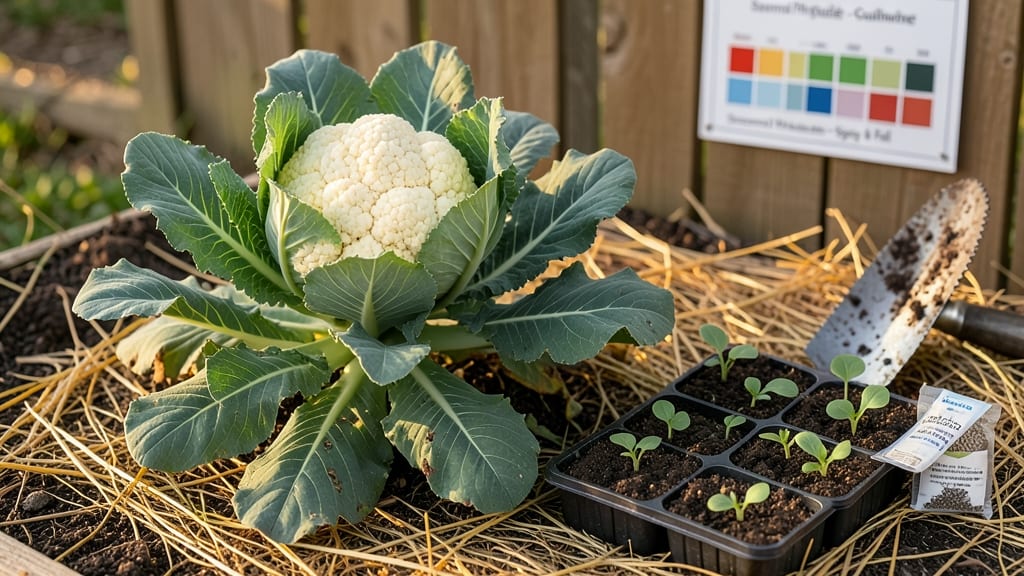
To plant cauliflower at the perfect time means the difference between a lush, homegrown harvest and a sad, wilted disappointment—especially when frost sneaks in unexpectedly. This cool-season crop thrives when temperatures are mild, making timing everything for gardeners in USDA Zone 6a and beyond.
For most regions, the ideal window is March to April, about 4-6 weeks before your last frost date. But here's the catch: planting too early can leave your 🥬 vulnerable to cold snaps, while waiting too long risks bolting before harvest.
Let me show you exactly how to nail those planting dates—no guesswork required.
Whether you're a first-time gardener or a seasoned pro, this guide breaks down the science behind cauliflower's timing needs. We'll cover soil prep, frost protection, and even how to adjust for early or late harvests. Ready to grow the best cauliflower of your life?
Skip the trial-and-error—discover the exact planting schedule that works for your zone, plus pro tips to keep your plants happy until harvest season rolls around in June or July. Let's get those seeds in the ground the right way!
USDA zone planting calendar for cauliflower success
Cauliflower thrives in cool weather and struggles when temperatures rise above 80°F (27°C). Planting at the right time ensures healthy head formation and avoids common pitfalls like bolting or frost damage.
Each USDA zone has unique frost patterns, so timing varies dramatically from Zone 3 to Zone 10. Let’s break down the perfect planting windows for your region.
For most gardeners, the golden rule is to plant cauliflower 4-6 weeks before the last frost date in spring. However, cooler climates like Zones 3-5 can also benefit from a fall planting for an extended harvest.
In warmer zones (Zones 8-10), focus on winter planting to escape summer heat. Always check your local frost dates—they’re the foundation of your planting schedule.
In Zones 3-4, where winters are harsh, start seeds indoors 6-8 weeks before the last frost to give seedlings a head start. Transplant outdoors once soil warms to 45°F (7°C), using black plastic mulch to accelerate soil heating.
These zones benefit from cold frames or low tunnels to extend the growing season into early fall.
Gardeners in Zones 5-6 have the most flexibility, with two clear planting windows: spring (April-May) and fall (July-August). For a fall harvest, aim to plant seeds by mid-July so heads mature before the first frost.
Varieties like 'Early Snowball' mature in just 60-70 days, making them perfect for short-season gardens.
Warmer Zones 7-8 can push the envelope with late summer plantings (August-September) for a winter harvest. However, avoid planting in peak summer heat, as temperatures above 85°F (29°C) cause cauliflower to bolt prematurely. Use shade cloth or plant in partial shade to protect seedlings during hot spells.
If you live in Zones 9-10, forget spring planting—cauliflower hates summer heat. Instead, focus on fall and winter plantings (October-November) to take advantage of cooler temperatures. In these zones, drip irrigation is a game-changer, delivering consistent moisture without wetting the leaves (which promotes disease).
Varieties like 'Graffiti' or 'Romanesco' are excellent choices for mild winters.
Regardless of your zone, always test your soil temperature before planting. Cauliflower roots struggle in cold, wet soil, so wait until temperatures reach at least 50°F (10°C). A simple soil thermometer ($10 at garden centers) saves hours of guesswork. Pro tip: Mix in compost to improve
How to adjust planting times for early or late harvests
Want to enjoy fresh cauliflower all season long? The key is adjusting your planting schedule to match your local climate and desired harvest window.
Whether you're in a cool northern zone or a warmer southern region, these strategies will help you extend your growing season and avoid common pitfalls like frost damage or bolting.
For gardeners in USDA zones 3-5, where frost is a constant threat, the secret lies in successive planting and cold-hardy varieties. Start with early varieties like 'Snowball Y Improved', which can tolerate light frosts, and follow with mid-season types.
In warmer zones (6-10), focus on late summer plantings to avoid the brutal heat that causes cauliflower to bolt prematurely.
-
1. Successive Planting
Plant every 2-3 weeks from early spring to mid-summer for continuous harvests. Use shade cloth for late plantings to protect seedlings from intense sun. -
2. Cold-Hardy Varieties
Choose 'Primo' or 'Purple of Sicily' for cooler climates. These tolerate 28-32°F and mature faster in low temps. -
3. Row Covers
Use floating row covers to extend early spring plantings by 3-4 weeks and protect late fall crops from light frosts. -
4. Late Summer Plantings
In zones 6-10, sow seeds 8-10 weeks before first frost for a fall harvest. Avoid planting after August 15 to prevent bolting. -
5. Container Gardening
Move pots indoors or to a garage with grow lights during extreme heat or cold snaps. Ideal for balconies or patios in urban areas.
One of my favorite tricks for early harvests is using black plastic mulch to warm the soil faster. Lay it down 2-3 weeks before planting in cooler zones to create a microclimate that encourages faster germination.
Pair this with 'Early Snowball' variety, which matures in just 60-70 days, for a jumpstart on the season.
For late-season extensions, I swear by low tunnels made from PVC pipes and row covers. These can push your harvest window back by 4-6 weeks in fall by trapping heat during the day and insulating plants at night. Just remember to ventilate on warm days to prevent overheating.
If you're in a hot climate like zone 9 or 10, focus on shade and irrigation. Plant cauliflower under 30% shade cloth during peak summer months and water deeply twice daily to prevent bolting. Varieties like 'Graffiti' (purple) handle heat better than traditional white types.
Don't forget to monitor your soil temperature—cauliflower thrives when soil is between 45-85°F. Use a soil thermometer to time your plantings perfectly. In northern zones, aim for soil temps of 45-55°F for early plantings, while southern zones should wait until soil warms to 60-70°F to avoid stress.