
Flowers
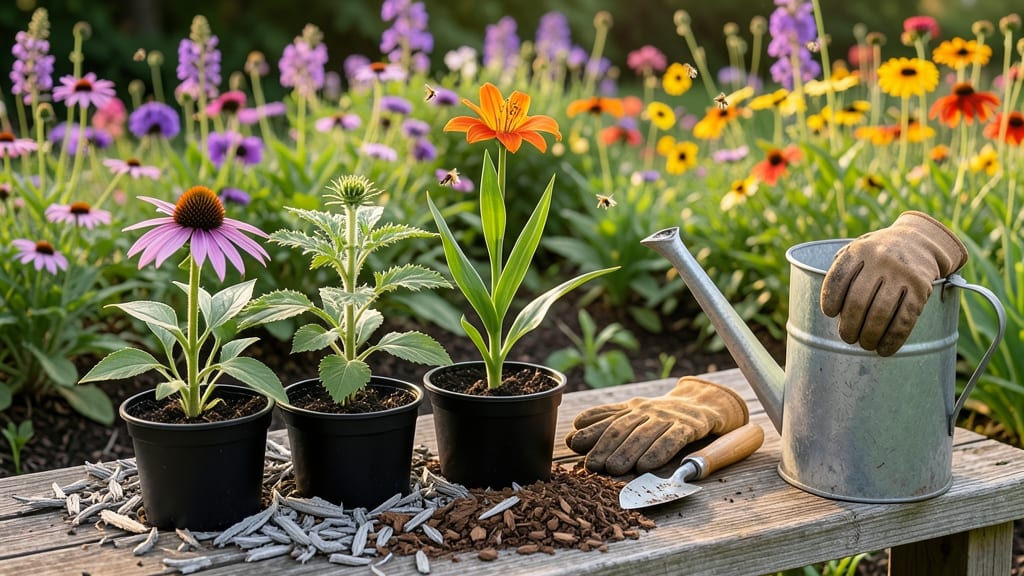
Planting your 🌸 flowers in Chicago at the wrong time can mean the difference between a showstopping garden and a sad pile of frost-nipped petals.
The last frost date—usually around April 15—isn’t just a number; it’s the moment your garden either wakes up or gets zapped by Mother Nature’s icy surprise.
If you’ve ever rushed to plant annuals like marigolds or coneflowers only to watch them wilt overnight, you know how frustrating timing can be. Chicago’s USDA Zone 5b-6a climate demands patience, but the payoff—a summer bursting with color—makes it worth the wait.
The key is knowing when to start seeds indoors, when to pop perennials into the ground, and how to spot those sneaky late frosts that love to ruin your plans.
I’ve spent years learning the tricks to outsmart Chicago’s fickle weather, from choosing heat-loving varieties like black-eyed Susans to mastering the art of fall planting for early spring blooms.
Whether you’re a first-time gardener or a seasoned green thumb, these seasonal strategies will help you avoid common mistakes and keep your garden thriving from May through October.
Ready to transform your yard into a floral paradise? Let’s dive into the exact planting windows, frost-proof tips, and flower varieties that will make your Chicago garden the envy of the neighborhood—no matter what the weather throws at you.
Chicago’s last frost dates by flower type: annuals vs perennials
Understanding Chicago’s last frost dates is the key to avoiding frost damage while maximizing your garden’s potential. In USDA Zone 5b-6a, the average last frost typically occurs around April 15, but this can vary yearly.
For annual flowers, waiting until after May 15 ensures they survive unexpected late frosts, while perennials can often be planted as early as March or April once the ground thaws.
Chicago’s climate presents unique challenges, including late spring frosts and hot summers. Choosing heat-tolerant varieties like black-eyed Susans or coneflowers ensures your garden thrives even when temperatures climb. Meanwhile, frost-sensitive annuals such as petunias and marigolds should wait until all danger of frost has passed.
| Flower Type | Planting Window | Frost Risk | Heat Tolerance | Top Varieties |
|---|---|---|---|---|
| Annuals | After May 15 | High (late frosts common) | Moderate to High | Zinnias, Cosmos, Petunias, Marigolds |
| Perennials | March–April (after soil thaws) | Low to Moderate | High (established roots) | Coneflowers, Black-Eyed Susans, Daylilies, Lavender |
| Bulbs (Spring) | September–October (fall planting) | None (dormant in winter) | Moderate | Daffodils, Tulips, Hyacinths |
| Bulbs (Summer) | May–June (for Dahlias, Gladiolus) | Low (after frost) | Moderate | Dahlias, Calla Lilies, Canas |
For annual flowers, the May 15 cutoff is non-negotiable. These plants are not frost-hardy and will wilt or die if exposed to temperatures below 32°F (0°C).
My go-to heat-loving annuals include cosmos, which thrive in Chicago’s summer heat, and zinnias, which bloom profusely with minimal care once the frost danger passes.
Perennials, on the other hand, are hardier and can often handle light frosts once established.
Planting them in early spring (March–April) gives them time to develop deep roots before summer’s intensity. Coneflowers and black-eyed Susans are my top picks for Chicago gardens—they’re drought-tolerant and pollinator-friendly, making them low-maintenance yet high-impact choices.
If you’re planning a fall garden, focus on cool-season annuals like pansies or snapdragons, which can be planted as early as August for late-season color. These varieties handle early fall frosts better than their summer counterparts, extending your blooming season well into October.
One of my biggest lessons learned? Microclimates matter. A south-facing wall or urban heat island can create pockets where frost arrives 1–2 weeks later than the average. Use these areas to extend your planting window for frost-sensitive plants like begonias or impatiens.
For heat-tolerant perennials, consider Russian sage or purple coneflower. These plants not only survive Chicago’s summers but also rebloom year after year with minimal input. Pair them with annuals like lantana, which thrives in full sun and poor soil, making them ideal for urban gardens.
Always check the soil temperature before planting—60°F (15°C) is the magic number for most annuals. Use a soil thermometer to avoid guessing. If you’re unsure about frost dates, sign up for local weather alerts or use the Old Farmer’s Almanac for Chicago-specific forecasts.
Finally, remember that mulching can protect <
5 Critical mistakes to avoid when planting flowers in Chicago
Planting flowers in Chicago requires more than just grabbing seedlings and sticking them in the ground. The city’s USDA Zone 5 climate brings unpredictable late spring frosts and urban heat islands that can derail even the most eager gardener.
I’ve learned the hard way—skipping soil prep or ignoring microclimates can mean wilted petunias or stunted coneflowers by summer. Let’s fix that with expert-backed solutions tailored to Chicago’s unique growing conditions.
First, many gardeners rush to plant frost-sensitive flowers like geraniums or impatiens as soon as soil looks workable in early April. But Chicago’s average last frost date is around April 15, and temperatures can still dip below freezing.
Planting too early risks frost damage that stunts growth or kills tender seedlings. Even hardy perennials like black-eyed Susans need to establish roots before summer’s heat hits.
⚠️ callout-warning
🌡️ Frost Risk Alert
Chicago’s urban microclimates can delay frost by 1-2 weeks in city centers compared to suburbs. Use local frost tracking tools like the National Weather Service’s frost maps or accuweather.com to pinpoint your exact last frost date. For frost-sensitive flowers, wait until soil temps hit 60°F (15°C)—use a soil thermometer to confirm.
✅ Pro Tip: Cover seedlings with frost cloth if planting 2 weeks before your local last frost date.
Another common mistake is ignoring soil preparation. Chicago’s urban soils are often compacted from construction or heavy foot traffic, and suburban areas may have clay-heavy soil that drains poorly. Before planting, I always amend the soil with 2-3 inches of compost or aged manure to improve drainage and fertility.
For containers, use a lightweight potting mix with perlite to prevent waterlogging—a major issue in Chicago’s humid summers.
Urban gardeners often overlook microclimates created by buildings, pavement, and wind patterns. A south-facing wall can create a heat island that’s 10°F warmer than the surrounding area, while a north-facing garden may stay cooler.
Test your space by placing a thermometer in full sun and shade for 24 hours. Heat-loving flowers like lantana or zinnias thrive in these hot spots, while hostas or asters prefer cooler, shadier areas.
Skipping mulch is another rookie error. In Chicago’s hot summers, mulch retains moisture and regulates soil temperature, reducing the need for daily watering. Use 2-3 inches of organic mulch like shredded bark or straw, keeping it 2 inches away from plant stems to prevent rot.
For container gardens, add mulch on top of the soil to slow evaporation—critical during Chicago’s drought-prone July and August.
Finally, many gardeners forget that fall planting is just as important as spring. Planting cool-season flowers like pansies or snapdragons in September gives them time to establish roots before winter. These flowers bloom beautifully in Chicago’s mild spring and tolerate light frosts.
For perennials like peonies or daylilies, fall planting reduces transplant shock and encourages stronger growth the following year.
By avoiding these five mistakes—planting too early, skipping soil prep, ignoring microclimates, forgetting mulch, and overlooking fall planting—your Chicago garden will burst with color from spring through fall.
Start with hardy perennials like coneflowers or black-eyed Susans for low-maintenance blooms, then add annuals like marigolds or zinnias for seasonal pops of color.