
Flowers
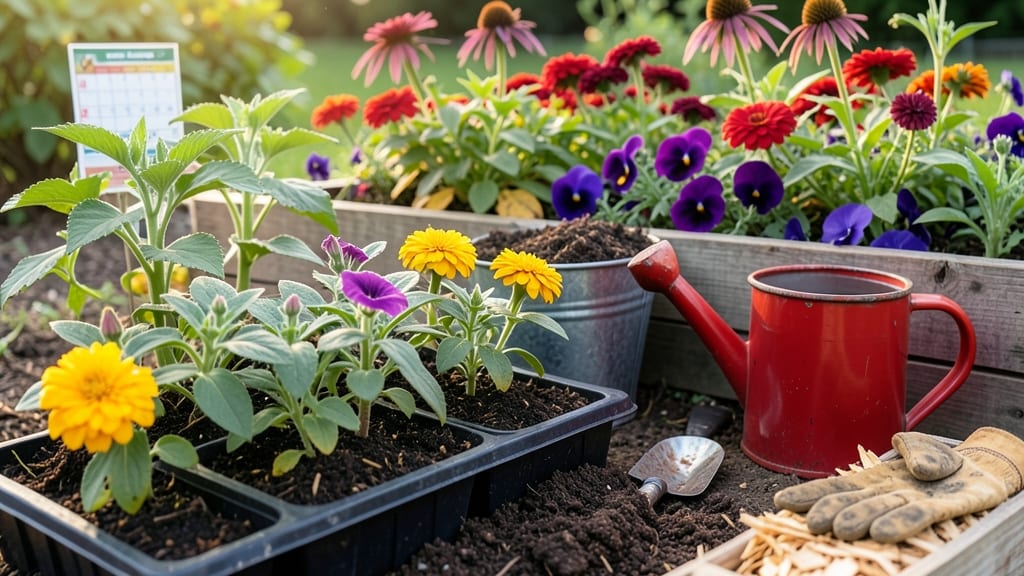
Timing your flowers right in Delaware is the secret to a garden that bursts with color from spring to fall—without wasting money on plants that won’t survive the first frost.
In USDA Zone 7b, where mild winters meet hot summers, planting too early risks frost damage, while waiting too long can leave your garden looking bare.
I’ve tested the best windows for annuals, perennials, and bulbs right here in Delaware, so you don’t have to guess whether your 🌸 will thrive or wilt.
Whether you’re dreaming of vibrant petunias by Memorial Day or hardy coneflowers that last all summer, knowing the exact months to plant makes all the difference. Let’s break down the science—and save you from those heartbreaking late-spring freezes.
You’ll learn which flowers to tuck into the soil as early as March, which ones wait for May, and how to stretch your blooms into fall without risking frost. Ready to turn your Delaware garden into a year-round showstopper?
Delaware’s frost dates and best flower planting months by type
Delaware’s USDA Zone 7b climate offers a generous 180-day frost-free growing season, but knowing your last frost date (April 15–May 1) and first frost date (October 15–November 1) is crucial for timing flower plantings.
Coastal areas like Rehoboth Beach may experience earlier last frosts (mid-April), while inland regions near Wilmington often see later frosts (early May). These microclimates affect when you can safely plant tender annuals or cool-season perennials.
For annual flowers, aim to plant after your area’s last frost date—typically mid-May for most of Delaware. However, hardy annuals like pansies and snapdragons can handle light frosts and may be planted as early as March in coastal zones.
Meanwhile, perennials thrive when planted in early spring (March–April) or early fall (September), giving roots time to establish before winter dormancy.
Bulbs, including daffodils, tulips, and crocuses, should be planted in fall (October–November) to naturalize and bloom early the following spring. This timing aligns with Delaware’s first frost window, ensuring bulbs develop strong root systems before cold sets in. Inland areas may need to plant bulbs slightly earlier (late September) to avoid missed windows due to earlier frosts.
Delaware’s microclimates also influence fall planting. Coastal regions can extend the season by 2–3 weeks compared to inland areas, allowing for late summer/early fall plantings of cool-season annuals like calendula or sweet alyssum. Always check local Almanac frost predictions or use a frost-free date calculator to fine-tune your schedule.
| Flower Type | Best Planting Months | Frost Considerations | Coastal vs. Inland |
|---|---|---|---|
| Annuals (e.g., Petunias, Marigolds) | May–June (spring); August (fall) | Wait until after last frost; use row covers if late frost risk | Coastal: 2 weeks earlier than inland |
| Perennials (e.g., Coneflowers, Black-Eyed Susans) | March–April (spring); September (fall) | Plant 6–8 weeks before first frost for fall establishment | Inland: earlier fall planting needed |
| Bulbs (e.g., Daffodils, Tulips) | October–November | Plant 4–6 weeks before ground freezes; deeper soil warms slower inland | Coastal: later planting possible |
| Cool-Season Annuals (e.g., Pansies, Snapdragons) | March–April; September | Tolerate light frosts; avoid heavy freezes | Coastal: earlier spring plantings |
If you’re planting tender annuals like geraniums or impatiens, wait until mid-May in inland Delaware to avoid late spring frosts, which can occur as late as May 10. For heat-loving flowers such as zinnias or sunflowers, start seeds indoors in March and transplant after the last frost.
These varieties thrive in Delaware’s hot summers and will reward you with longer blooming seasons if given enough sunlight.
For perennials, early spring planting (March–April) gives roots time to establish before summer heat sets in. If you prefer fall planting, aim for September—this allows perennials to develop roots before winter dormancy.
Inland gardeners should prioritize early September plantings to avoid earlier frosts cutting the season short. Coastal gardeners have a slightly longer window but should still monitor Almanac forecasts for sudden temperature drops.
Delaware’s bulb-loving gardeners know that timing is everything for spring blooms. Plant daffodils and tulips in October to ensure they naturalize and return year after year. Inland areas may need to plant bulbs by late September to avoid missed windows, while coastal zones can extend planting until mid-October.
Always plant bulbs at a depth 3x their height and in well-draining soil to prevent rot.
Pro tip: Use row covers or cold frames to extend your planting
Top 10 flowers that thrive in Delaware’s climate (and when to plant them)
Delaware’s USDA Zone 7b climate lets you grow a stunning variety of flowers, but the key to success is planting them at the right time.
I’ve narrowed down the top 10 flowers that not only survive but thrive in Delaware’s hot summers and mild winters, along with their exact planting windows to ensure vibrant blooms all season long.
From cold-hardy perennials that return year after year to heat-loving annuals that burst into color by Memorial Day, this list covers everything you need to know.
Whether you’re planting in coastal areas with cooler breezes or inland zones with more intense heat, these flowers will adapt and reward you with months of gorgeous blooms.
- 🌷 Daffodils – Plant bulbs in October-November for spring blooms (March-April). Full sun and well-draining soil are key.
- 🌻 Black-Eyed Susans – Sow seeds in early spring (March-April) or transplant in fall (September). Thrives in partial shade to full sun.
- 🌼 Coneflowers – Plant in early spring (March-April) or fall (September). Drought-tolerant and perfect for full sun gardens.
- 🌸 Petunias – Wait until after last frost (May 15) to plant. Loves full sun and blooms all summer with proper care.
- 🌺 Daylilies – Plant in spring (April-May) or fall (September). Extremely hardy and thrives in partial shade to full sun.
- 🌹 Marigolds – Sow seeds after last frost (May) for summer-long color. Repel pests and love full sun.
- 🌿 Lavender – Plant in early spring (March-April) or fall (September). Needs full sun and well-draining soil.
- 🌼 Rudbeckias – Sow seeds in early spring (March-April) or transplant in fall (September). Loves full sun and blooms late summer.
- 🌷 Tulips – Plant bulbs in October-November for spring blooms (April-May). Needs well-draining soil to prevent rot.
- 🌸 Zinnias – Sow seeds after last frost (May) for vibrant summer blooms. Thrives in full sun and attracts pollinators.
Each of these flowers has been chosen for its ability to adapt to Delaware’s climate, whether you’re dealing with humid summers or cool coastal breezes.
For example, black-eyed Susans and coneflowers are drought-tolerant, making them perfect for inland areas where water conservation is key, while petunias and zinnias will flourish in containers on your patio with regular watering.
Pro tip: If you’re planting annuals like petunias or marigolds, wait until mid-May to avoid late spring frosts that can still pop up in Delaware. For perennials like daylilies or lavender, early spring or fall planting gives them time to establish strong roots before extreme weather hits.
And don’t forget—bulbs like daffodils and tulips need to be in the ground by November to naturalize and return year after year.
With this list, you’ll have a colorful garden from spring to fall, with minimal fuss. Start by choosing 3-5 flowers that match your sunlight conditions and soil type, then follow the planting windows to ensure your garden stays vibrant all season long. Happy planting!