
Flowers
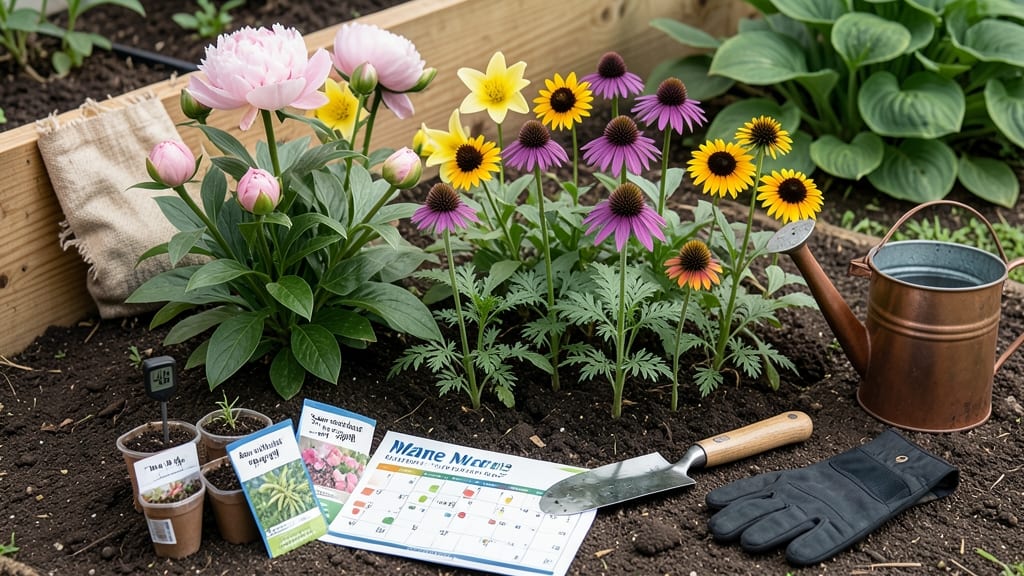
Timing your flower planting in Maine isn't just about following a calendar—it's about beating the last frost while giving your 🌱 blooms the best shot at thriving.
With average last frost dates ranging from mid-May in southern Maine to late May or early June in the north, getting those seeds in the ground too soon can mean a sad, frost-nipped garden.
I've learned the hard way that patience pays off—waiting for soil temperatures to hit at least 50°F makes all the difference for annuals like pansies and marigolds.
Perennials like coneflowers and daylilies are a bit more forgiving, but even they need the right conditions to take root before summer's heat sets in.
What you're about to discover is how to align your planting with Maine's unique microclimates, from coastal breezes to inland valleys. Whether you're a first-time gardener or a seasoned pro, these season-specific tips will help you extend your bloom time from early summer right through fall.
Let's dive into the exact weeks to plant, how to adjust for your specific zone, and which late-season flowers will keep your garden vibrant until the first frost. Your most colorful garden yet starts with knowing when to make that first move.
Maine flower planting calendar by season: exact weeks for annuals vs perennials
Maine’s USDA Zone 5 climate means timing is everything—a single misstep can mean frost-killed seedlings or missed summer blooms. Unlike warmer regions, we work with a short frost-free window (typically May 15–October 15 in southern Maine, later in the north).
Understanding these exact planting windows ensures your annuals and perennials thrive when they should.
For annuals like pansies and marigolds, the goal is to plant after the last frost but before soil temperatures exceed 75°F. Perennials like coneflowers and black-eyed Susans need an earlier start, often 4–6 weeks before last frost, to establish roots before summer heat arrives.
Let’s break it down by month with specific weeks and soil temperature guidelines to keep your garden on track.
📅 Pro Tip: Use a soil thermometer—most flowers prefer 50–70°F soil for optimal germination. If your soil runs cooler (common in Maine’s early spring), opt for cold-hardy varieties like sweet alyssum or snapdragons.
| Season | Plant Type | Ideal Planting Window | Soil Temp (°F) | Notes |
|---|---|---|---|---|
| Early Spring | Perennials | Week 1–3 of April | 40–50°F | Start seeds indoors or plant hardy perennials like daylilies. |
| Late Spring | Annuals | Week 3–4 of May (after last frost) | 55–65°F | Plant pansies, petunias, and marigolds for summer color. |
| Summer | Heat-Tolerant Annuals | Week 2–3 of June | 65–75°F | Sow zinnias, cosmos, and sunflowers for late-season blooms. |
| Early Fall | Cold-Hardy Annuals | Week 1–2 of August | 50–60°F | Plant sweet alyssum, snapdragons for fall/winter interest. |
| Late Fall | Perennials (Division) | Week 4 of September | 45–55°F | Divide peony or hosta clumps before dormancy. |
In early spring (March–April), focus on perennials and cold-hardy annuals like pansies and violas. These can handle Maine’s chilly soils (40–50°F) and often bloom earlier than summer-planted flowers.
For example, pansies planted in April will often flower by late May, giving you color when many gardens are still bare.
By late spring (May), shift to warm-season annuals like marigolds, zinnias, and petunias. Wait until after the last frost (typically May 15 in southern Maine, June 1 in northern areas) and ensure soil temps are at least 55°F.
Use row covers if nighttime temps dip below 45°F to protect tender seedlings.
Summer planting (June–July) is all about heat-loving annuals. Flowers like sunflowers and cosmos thrive when planted in early June—they’ll bloom through September and October if given full sun and consistent water.
Avoid planting tomatoes or peppers (not flowers, but a common mistake)—they need warmer soil and won’t germinate in Maine’s cooler summers.
Don’t overlook fall planting (August–September)! Many cold-hardy annuals like sweet alyssum and snapdragons planted in early August will bloom until first frost. Perennials like aster and chrysanthemum can also be planted in late summer for extended fall color.
Just ensure soil temps stay above 50°F—cooler soils slow growth but won’t kill these hardy plants.
For perennials, early spring division or planting (March–April) is key. Plants like coneflowers and black-eyed Susans need time to establish roots before summer heat. If you miss this window, plant
5 Critical factors that change Maine flower planting times (and how to adjust)
Maine’s diverse microclimates and variable frost dates make planting times tricky. What works in Portland’s coastal Zone 5b (average last frost: May 15) fails in Presque Isle’s Zone 4a (June 1). Even within towns, elevation shifts planting windows by weeks—mountain gardens often need 2-3 weeks later than valley spots.
Wind exposure adds another layer: Exposed coastal gardens dry out faster, while protected inland spots retain moisture longer. My container gardens on a windy deck? They need earlier planting to compensate for faster soil drying. Meanwhile, row covers can extend fall blooms by 4-6 weeks in sheltered areas.
Here’s how to adjust your planting strategy based on Maine’s most influential factors:
Southern Maine: May 10-20
Northern Maine: June 1-15
Adjust: Wait until 2 weeks after your local average.
Every 1,000 ft gain delays planting by 3-5 days
Adjust: Plant mountain gardens 2 weeks later than valley spots.
Coastal areas lose 30% more moisture
Adjust: Use mulch and water 1 hour earlier in the day.
Potting mix stays 5-10°F cooler than ground soil
Adjust: Plant 2 weeks later than in-ground flowers.
Adds 4-6 weeks to growing season
Adjust: Plant late-season flowers (asters, chrysanthemums) by July 15 under cover.
For container gardening, I always plant petunias and geraniums 2 weeks after my ground planting date—their pots stay cooler. Meanwhile, row covers have let me enjoy zinnia blooms until October in my Zone 5 garden.
The key is monitoring soil temperatures (aim for 50°F+ for most flowers) and adjusting based on your specific conditions.
Pro tip: Check Maine’s USDA Plant Hardiness Map for your exact location, then add 2-3 weeks to standard planting guides. Coastal gardeners should also watch for late spring frosts—they’re common even after Memorial Day.
My pansies in 2022 got hit by a May 28 frost; now I wait until June 1 for them.
Finally, native Maine flowers like wild columbine and bee balm handle these variations best—they’re adapted to our short seasons and cold snaps. For non-natives, row covers and black plastic mulch are my go-tos for pushing limits.
With these adjustments, you’ll maximize your Maine flower blooms from May through October.