
Flowers
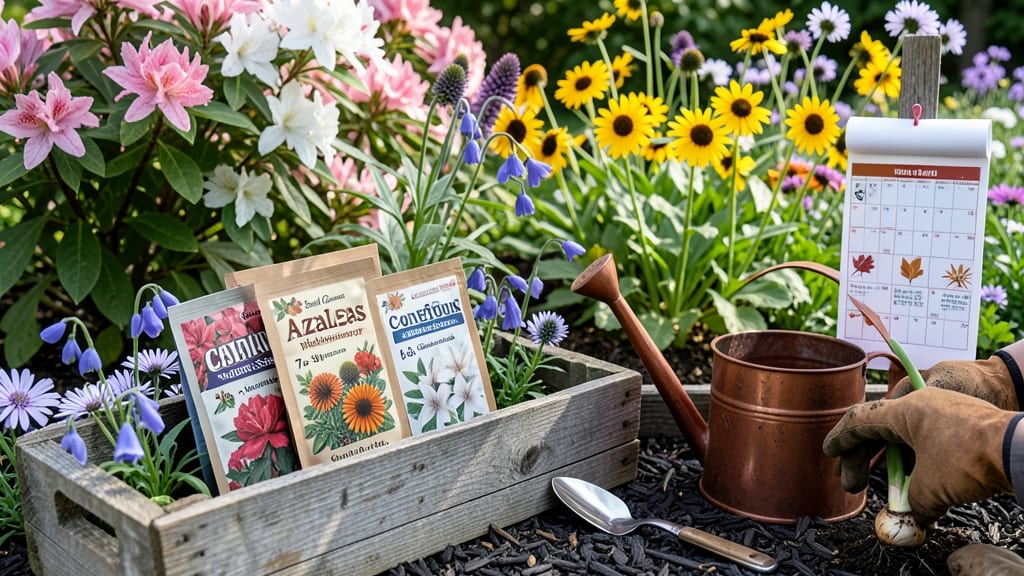
Timing your flowers 🌸 planting in South Carolina can be the difference between a showstopping garden and a season of missed blooms. With frost-free zones ranging from 7b to 8b, knowing when to plant—whether you're in the coastal lowcountry or the Piedmont hills—isn't just helpful, it's essential for success.
Most gardeners know spring is the prime time, but did you know fall planting often yields healthier, more resilient flowers? The key lies in understanding your local frost dates and soil conditions, which can vary dramatically even within the same state.
In this guide, I’ll break down the exact months to plant annuals, perennials, and seasonal favorites like azaleas and petunias—plus how to adjust for microclimates like Charleston’s coastal warmth or Greenville’s cooler mountain air.
Whether you're a seasoned gardener or just starting, these insights will help you maximize blooms and avoid common pitfalls that waste time, money, and effort.
South Carolina flower planting calendar: best months for spring vs fall success
South Carolina's USDA Hardiness Zones 7b-8a create a unique gardening climate where spring and fall planting can both yield stunning results. Unlike northern states, our mild winters and long growing seasons allow for extended planting windows—but timing still matters.
Coastal areas (like Charleston) enjoy warmer microclimates with later frosts, while inland regions (like Columbia) face earlier frost risks in fall.
For annual flowers, aim to plant after your last frost date (typically mid-March for most of SC). Perennials thrive when planted in early spring or fall, giving roots time to establish before extreme heat or cold. Bulbs like daffodils should go in fall (September-October) to bloom early next spring, while tender perennials like cannas need late spring planting to avoid winter damage.
| Flower Type | Best Planting Window | Coastal SC Notes | Inland SC Notes |
|---|---|---|---|
| Annuals (Petunias, Marigolds, Zinnias) | March 15 - May 1 (after last frost) | Extend to April 15 (warmer soil) | Plant by April 1 (earlier frosts) |
| Perennials (Daylilies, Coneflowers, Black-Eyed Susans) | February 15 - April 15 OR September 15 - October 15 | Fall planting extends to November 1 | Fall planting ends October 15 |
| Bulbs (Daffodils, Tulips, Hyacinths) | September 15 - October 15 (for spring blooms) | Can plant as late as November 1 | Plant by October 15 for best results |
| Tender Perennials (Cannas, Dahlias, Gladiolus) | April 15 - May 15 (after frost) | May 1 is safe for most areas | Wait until May 15 in Upstate |
| Native Wildflowers (Coreopsis, Butterfly Weed) | March 1 - April 15 (spring) OR September 1 - October 15 (fall) | Fall planting extends to November 1 | Spring planting preferred inland |
Spring planting in SC kicks off in February for hardy perennials, but most annuals wait until after your last frost date.
I always mark my calendar for March 15 as a safe bet for coastal areas, while inland gardeners should wait until April 1. Fall planting is equally important—aim for September-October to give roots time to establish before winter.
In Zone 7b (Upstate), this window closes by October 15, while Zone 8a (coastal) can extend to November 1.
For container gardening, you can push boundaries slightly. Potted petunias might survive a light frost if moved to a sheltered spot, while winter-blooming jasmine can handle Zone 7b winters if planted in well-draining soil.
Always check your local frost dates—SC's first frost typically arrives mid-November, but coastal areas may see 30-45 days later.
One of my biggest mistakes was planting tender annuals like impatiens too early in Upstate SC. They bolted in the late April heat because I didn't wait for consistent soil temps above 60°F.
Now, I use a soil thermometer to confirm readiness. For coastal gardeners, this means planting 2-3 weeks earlier than inland friends—just watch for humidity-related fungal risks like powdery mildew.
Native South Carolina flowers like azaleas and camellias have adapted to our climate perfectly. Azaleas bloom in spring (March-May) and thrive when planted in fall (September-October), while camellias offer winter blooms (November-February) if planted in partial shade.
For maximum blooms, I always add compost-rich soil and a slow-release fertilizer at planting time.
Don't overlook fall-blooming flowers like chrysanthemums and asters. These thrive when planted in
How to adjust planting dates for South Carolina’s microclimates and frost risks
South Carolina’s diverse climate means your planting dates should shift dramatically depending on whether you’re gardening in coastal Charleston or the Upstate mountains. Coastal areas like Zone 8b enjoy warmer winters, while inland Piedmont regions (Zone 7b) face earlier frosts.
Even a 5-mile elevation change can delay your last frost by weeks—so knowing your microclimate is key to avoiding frost damage.
For example, coastal gardeners can often plant tender annuals like petunias as early as February**, while Upstate gardeners should wait until mid-April to avoid a surprise frost.
The average last frost date ranges from mid-March in Charleston to late March in Greenville, but microclimates—like frost pockets in valleys—can push that date even later.
To extend your growing season, I recommend using row covers or cold frames—these can push your last planting date into early May for coastal areas and late April inland.
For example, a simple floating row cover over petunias planted in March can shield them from a late frost while still allowing sunlight and water to penetrate.
Another trick? Warming your soil with black plastic or straw mulch can help you plant 2-3 weeks earlier in spring. I’ve seen gardeners in the Upstate use this method to get tomatoes and peppers in the ground by early April—something that would otherwise be risky without protection.
Just remember to remove the mulch once soil temps stabilize above 60°F.
For fall planting, the goal is to get seeds or transplants in the ground 6-8 weeks before your first frost. In Charleston, that might mean planting marigolds in late September, while Upstate gardeners should aim for mid-August.
The key is to give plants enough time to establish roots before winter slows growth.
Don’t forget that microclimates within your yard can also affect planting times. A south-facing wall or paved area can create a warmer microclimate, allowing you to plant heat-loving flowers like zinnias a week earlier than in shaded spots.
Always scout your garden for these pockets—sometimes the difference between success and failure is just a few feet.