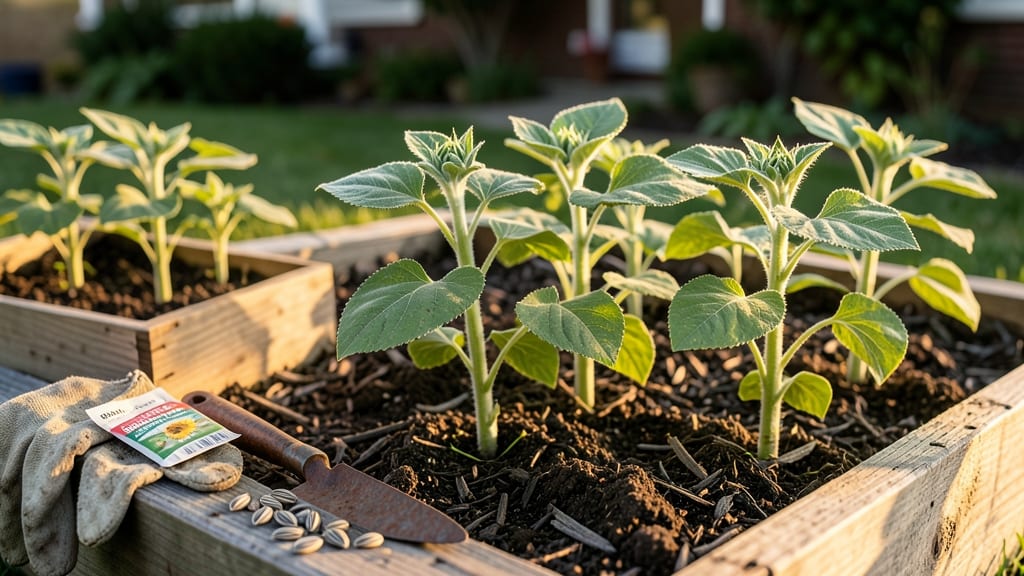
Planting sunflowers in Tennessee at the right time means the difference between towering 🌻 blooms and sad, frost-bitten stalks. If you've ever watched your sunflowers wilt before they even open, you know timing is everything—and Tennessee's varying USDA zones make it tricky to get it perfect.
The key is planting when the soil warms up, typically between mid-April and early June, depending on your exact location.
In cooler mountain regions (like USDA Zone 6), wait until after the last frost date—usually around April 15th—while warmer areas (Zone 7+) can start as early as March 15th if you're using row covers.
But here's the secret most gardeners miss: sunflowers need consistent warmth to grow fast enough to beat Tennessee's unpredictable summer storms. I'll show you exactly when to plant in your specific zone, plus how to adjust for giant varieties that need extra time in the ground.
Ready to grow sunflowers that reach their full height without frost damage? Let's dive into the exact planting schedule that works for Tennessee's climate—so you can enjoy those cheerful blooms from summer through fall.
Jan
❄️
Feb
❄️
Mar
🌱
Apr
🌻
May
🌻
Jun
🌱
Jul
☀️
Aug
☀️
Sep
🍂
Oct
🍂
Nov
🍂
Dec
❄️
Tennessee’s USDA zones & exact sunflower planting deadlines by month
Tennessee spans USDA zones 5b through 8a, creating distinct planting windows for sunflowers. In colder northern zones like 5b-6a, wait until after your last frost date (typically mid-April to early May), while warmer southern zones like 7a-8a can start as early as late February.
The key is soil temperature—sunflowers thrive when soil reaches 55°F (13°C).
Giant varieties like Mammoth need 90 days to maturity, while dwarf types like Teddy Bear mature in 60-70 days. This means timing matters: plant giants in late April to early June for summer blooms, while dwarfs can stretch into July for fall color.
Fall planting is risky but possible in zones 7a-8a with 80-day varieties sown by mid-August.
Here’s your zone-by-zone planting calendar with exact deadlines to avoid frost damage and maximize blooms:
| USDA Zone |
Last Frost Date |
Spring Planting Window |
Fall Planting Window |
Soil Temp Threshold |
Giant Variety Deadline |
Dwarf Variety Deadline |
| 5b |
April 15–May 1 |
May 1–June 15 |
None (too cold) |
55°F (13°C) |
June 1 (90-day variety) |
July 15 (60-day variety) |
| 6a |
April 1–April 15 |
April 15–June 1 |
None (too cold) |
55°F (13°C) |
May 15 (90-day) |
July 1 (60-day) |
| 6b |
March 20–April 1 |
April 1–May 31 |
August 15–31 |
55°F (13°C) |
May 1 (90-day) |
June 30 (60-day) |
| 7a |
March 1–March 15 |
March 15–June 15 |
August 1–September 15 |
55°F (13°C) |
April 15 (90-day) |
July 15 (60-day) |
| 7b |
February 28–March 15 |
February 28–June 30 |
July 15–September 30 |
55°F (13°C) |
March 15 (90-day) |
June 1 (60-day) |
How to adjust planting time for Tennessee’s microclimates & sunflower varieties
Tennessee’s diverse landscapes—from Nashville’s urban heat islands to the Great Smoky Mountains’ valleys—create microclimates that can shift your sunflower planting window by weeks. For example, Nashville’s USDA Zone 7b might be ready by March 20th, while Chattanooga’s Zone 6b valleys could need to wait until April 10th.
Even coastal areas near Memphis experience earlier soil warming due to humidity, allowing earlier starts.
Your sunflower variety choice also matters. Mammoth varieties (like ‘Russian Giant’) need 90+ days to mature, while Teddy Bear types (60–75 days) can handle later starts. ProCut hybrids, bred for cut flowers, thrive with 75–85 days of warmth—perfect for Tennessee’s shorter growing seasons in higher elevations.
Here’s how to adjust your planting strategy based on Tennessee’s three key microclimates and sunflower types:
Microclimate Adjustments for Sunflower Planting
🏙️ Urban Heat Islands (Nashville, Knoxville)
Pros: Soil warms 2–3 weeks earlier than rural areas.
Cons: Higher evaporation requires daily watering until roots establish.
Action: Plant Mammoth varieties by March 15th; use black plastic mulch to retain heat.
🏔️ Mountain Valleys (Smokies, Cumberland Plateau)
Pros: Longer frost-free season in sheltered spots.
Cons: Cooler nights slow germination; risk of late frosts in May.
Action: Wait until after May 1st for Teddy Bear types; use row covers if planting early.
🌊 Coastal Influences (Memphis, West TN)
Pros: Humidity speeds germination; soil warms faster.
Cons: Higher humidity increases powdery mildew risk.
Action: Plant ProCut hybrids by March 1st; space 12+ inches apart for airflow.
For late-season planting (after June 1st), assess the risk: Mammoth varieties planted in July rarely mature before frost, but dwarf varieties like ‘Little Becka’ (50 days) can still produce blooms. Extend the season with black plastic mulch, which raises soil temps by 5–10°F and suppresses weeds.
If you’re in Zone 6 or cooler, prioritize fast-maturing varieties like ‘Autumn Beauty’ (60 days) or ‘Sunspot’ (55 days). These tolerate shorter growing seasons and still deliver vibrant blooms before fall frosts.
For Zone 7+, you can push the envelope with giant varieties if you start by March 1st and use fertigation (drip irrigation with fertilizer) to boost growth.
Pro tip: Test your soil’s warmth before planting. Press your hand into the soil—if it feels like a warm bath (around 60°F), it’s ready. If it’s cooler, wait 1–2 weeks or use seedling trays under grow lights to get a head start.
Your sunflowers will thank you with taller stems and bigger blooms all season.
★★★★★4.5(5 reviews)