
Flowers
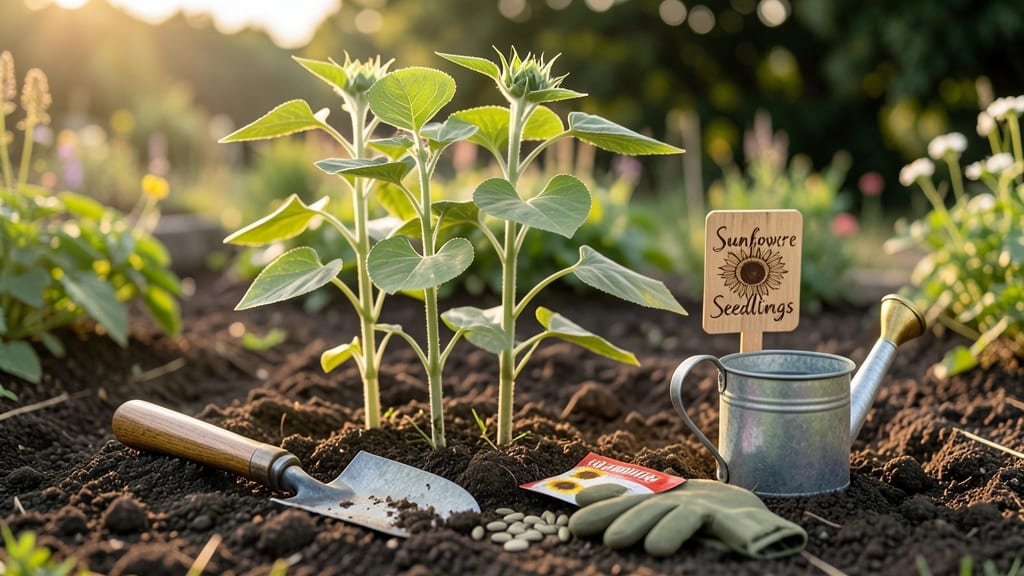
Planting sunflowers in Wisconsin isn’t just about dropping seeds in the dirt—it’s about timing them perfectly to beat the frost and coax those towering 🌻 blooms right out of your garden.
With last frost dates swinging wildly from May 10 in southern counties to May 20 in the north, a single misstep could mean wilted seedlings or missed harvests.
I’ve grown sunflowers in Wisconsin’s 5a-6b zones for years, and the difference between a thriving patch and a sad excuse for a garden comes down to one thing: knowing when to plant.
Whether you’re in Milwaukee’s urban heat islands or Madison’s cooler microclimates, the right window ensures your sunflowers reach their full 10-foot glory before winter creeps back in.
Here’s the game-changer: most gardeners wait until mid-April to late June, but that’s not a one-size-fits-all rule.
We’ll break down exactly when to start seeds indoors, when to direct-sow, and how to adjust for Wisconsin’s famously unpredictable weather—so you can enjoy those golden blooms from August to October without the guesswork.
Ready to turn your garden into a sunflower paradise? Let’s dive into the frost-free secrets that’ll have your plants standing tall and proud—no matter where in Wisconsin you’re planting.
Wisconsin sunflower planting calendar: frost dates by county for maximum blooms
Wisconsin’s diverse climate—from the Lake Michigan shoreline to the Driftless Region—means frost dates vary dramatically. In southern counties like Walworth, gardeners can plant sunflower seeds as early as mid-April, while northern areas like Cook County wait until late May.
These differences directly impact your sunflower blooms, so knowing your county’s last frost date is key to avoiding frost damage on tender seedlings.
Sunflowers thrive in USDA zones 5a-6b, but Wisconsin’s microclimates create exceptions. Urban areas like Milwaukee often experience warmer microclimates than rural farms, while valleys in Sauk County can trap cold air longer.
Always check your local frost dates—even neighbors a few miles apart may have different planting windows.
For reliable blooms, aim to plant sunflower seeds 2-3 weeks after your county’s average last frost date. Early varieties like ‘Teddy Bear’ (dwarf) can handle cooler soils, while ‘Russian Giant’ needs soil temperatures above 50°F to germinate properly. Below is a county-by-county breakdown to help you time your planting perfectly.
🌱
If you’re in zone 5a or colder, opt for early-maturing varieties like ‘Moulin Rouge’ (55 days) or ‘Autumn Beauty’ (60 days). These sunflowers can complete their life cycle before Wisconsin’s first frost, which typically arrives between October 10–20.
For southern Wisconsin, you can even squeeze in a late-summer planting (July) for fall blooms.
Urban gardeners in cities like Madison or Green Bay may experience warmer microclimates due to buildings and pavement. Test your soil temperature with a soil thermometer—sunflowers won’t germinate well in soils below 50°F.
If your soil is too cold, use black plastic mulch or a cold frame to warm it up faster.
For container gardening, start seeds indoors 4–6 weeks before your last frost date. Dwarf varieties like ‘Sunspot’ (18–24 inches tall) are perfect for patio pots and can be planted as early as late April in warmer regions. Just ensure your container has drainage holes to prevent root rot.
Pro tip: Mark your planting dates on a garden calendar and adjust for unpredictable Wisconsin weather. If a late frost threatens, cover seedlings with frost cloth or a lightweight row cover. With the right timing, your sunflowers will reward you with vibrant blooms from July through September.
🌻
How to adjust sunflower planting for Wisconsin’s unpredictable weather patterns
Wisconsin’s weather can throw a curveball—one week of 70°F sunshine followed by a 30°F frost in May. Sunflowers, with their 60-120 day growth cycle, need precise timing to avoid frost damage.
I’ve learned the hard way that planting too early means frost-nipped seedlings, while waiting too long risks missed blooms before winter.
The key is balancing soil temperature, frost dates, and variety selection. Southern Wisconsin’s last frost typically arrives by May 10, while northern regions may not see frost-free conditions until May 20.
Even then, late frosts can linger into June, so flexibility is your best tool.
Here’s my step-by-step guide to adjusting sunflower planting for Wisconsin’s quirks—from soil prep to seedling protection:
- Test soil temperature—Wait until soil reaches 50°F+ (use a soil thermometer) before planting. Cold soil delays germination by 3-5 days.
- Start seeds indoors 2-3 weeks before last frost for a head start. Use biodegradable pots to avoid transplant shock.
- Use row covers for late frosts—cover seedlings with frost cloth if temps drop below 40°F after planting.
- Mulch heavily—Apply 3-4 inches of straw to retain heat and suppress weeds, which compete for nutrients.
- Choose fast varieties—Opt for ‘Autumn Beauty’ (50 days) or ‘Moulin Rouge’ (60 days) to ensure blooms before frost.
- Direct-sow in July for fall blooms—Plant dwarf varieties like ‘Teddy Bear’ (36 days) to enjoy late-season color.
- Monitor weather alerts—Set up frost watches via local extensions (e.g., UW-Madison) to protect young plants.
For urban gardeners, microclimates can shift frost dates by 1-2 weeks. If you’re in Milwaukee’s heat islands, you might plant 10 days earlier than rural areas. Always check local frost data—your neighbor’s garden might not match yours!
Protecting seedlings from late frosts is easier than you think. I’ve had success with cloche tunnels made from clear plastic bottles (cut in half) over young plants. Remove them on warm days to avoid overheating.
Pair this with drip irrigation to keep roots moist during dry spells—sunflowers wilt faster than you’d expect in Wisconsin’s intense summer sun.
Finally, don’t overlook succession planting. Sow a second batch in early July for fall blooms. Even if frost hits, the dwarf varieties will still add height and color to your garden. With these adjustments, you’ll enjoy sunflowers from August to October, no matter where in Wisconsin you garden.