
Flowers
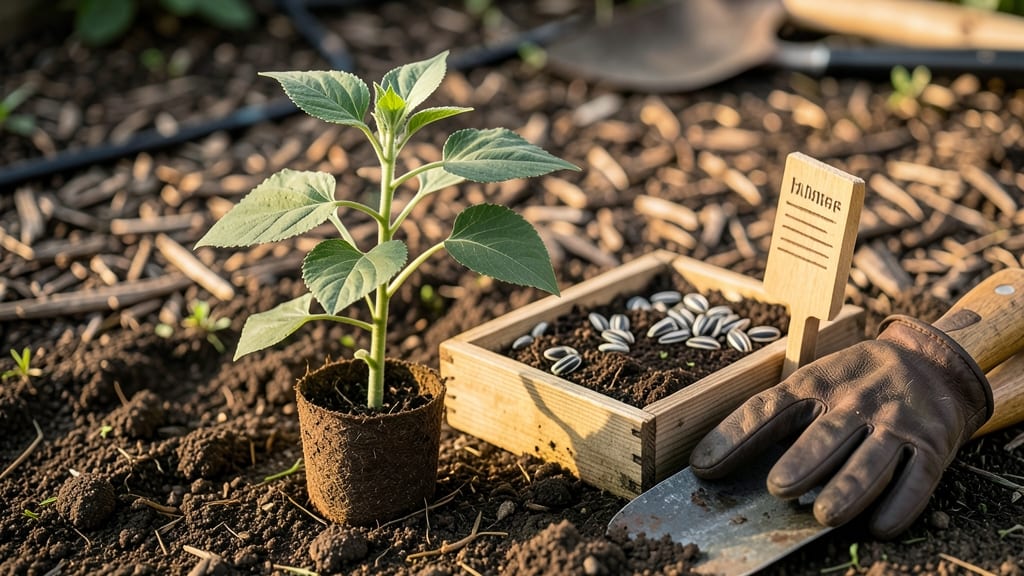
Planting sunflowers at the wrong time in Zone 5 can mean the difference between towering 🌻 giants and sad, stunted blooms. The key to success isn't just waiting for spring—it's knowing exactly when your soil is warm enough and the frost risk has passed.
In Zone 5, where last frost typically arrives between mid-April and late May, timing matters more than you might think. Plant too early, and cold snaps will shock your seeds; too late, and you'll miss the 70-90 day growing window needed for full-size blooms.
I've learned the hard way that sunflowers thrive when planted 1-2 weeks after your last frost date, once soil temperatures hit at least 55°F. This ensures strong, healthy stems that can support their massive height—some reaching over 12 feet!
Whether you're a beginner or a seasoned gardener, I'll show you exactly how to calculate your perfect planting window, adjust for Zone 5's unpredictable weather, and even extend your growing season for second crops. Let's get those sunflowers growing tall and proud.
Optimal sunflower planting schedule in Zone 5: exact weeks before last frost
Sunflowers thrive in Zone 5 when planted after the last frost date, but their exact timing depends on your variety and soil temperature. Giant varieties need more time to mature, while dwarf sunflowers can handle cooler soils.
Most Zone 5 gardeners aim for 2-4 weeks before the last frost, but soil temperature is the real game-changer.
In Zone 5, the average last frost falls between mid-April and mid-May, but this varies by location. For example, Chicago typically sees its last frost around April 25th, while Buffalo, NY waits until May 15th.
Check your USDA Plant Hardiness Zone Map and local weather records to pinpoint your exact window.
Soil temperature is critical—sunflower seeds won’t germinate until the soil reaches at least 55°F (13°C). In Zone 5, this usually happens 2-4 weeks after the last frost.
Use a soil thermometer to confirm before planting. If your soil is still cold, wait it out—rushing can lead to poor germination or seed rot.
Here’s how to calculate your personalized planting window:
- Find your average last frost date (USDA data or local records).
- Add 2-4 weeks to account for soil warming.
- Adjust for your sunflower variety (see table below).
- Plant seeds 1 inch deep in loose, well-draining soil.
For giant sunflowers, like 'Mammoth Russian,' plant 3-4 weeks before your last frost to ensure they reach their full 10-16 foot height. These varieties need the longest growing season, so don’t wait until May—soil may stay too cool for optimal germination.
If you’re in a cooler microclimate, consider starting seeds indoors 2-3 weeks before transplanting.
If you’re growing dwarf sunflowers, such as 'Teddy Bear,' you can wait until 1-2 weeks before the last frost. These varieties tolerate cooler soils and mature faster, making them ideal for late spring plantings or even early summer succession plantings.
They’re perfect for container gardening or small spaces where height isn’t a concern.
Standard sunflowers, like 'Autumn Beauty,' strike a balance with a 60-90 day maturity. Aim to plant them 2-3 weeks before your last frost for a reliable bloom time in late summer. These are the most versatile for Zone 5 gardeners, offering both
How to adjust sunflower planting for Zone 5’s unpredictable spring weather
Zone 5’s late frosts and temperature swings can turn your sunflower dreams into disappointment if you’re not prepared. I’ve had seeds freeze in the ground one year and bolt too fast the next—both because of timing missteps.
The key is flexibility: knowing when to plant early for cold-hardy varieties or delay slightly for heat lovers, while protecting tender seedlings from whimsical weather.
First, check your local frost dates—they vary even within Zone 5. For example, Chicago’s last frost is typically mid-May, while Pittsburgh’s can arrive 2 weeks earlier.
Planting 1-2 weeks after your average last frost gives seedlings a buffer, but if cold snaps linger, you’ll need row covers or a greenhouse to shield them until soil warms to 55°F.
⚠️ WARNING: Late Frosts & Seedling Shock ⚠️ Sunflower seeds can survive light frosts if planted deep (1-2 inches), but sprouts are far more vulnerable. If a 28°F night is forecast after planting, cover seedlings with frost cloth or a clear plastic tunnel.
Even 32°F can stunt growth, so monitor forecasts closely. For extra protection, choose cold-tolerant varieties like 'Autumn Beauty' or 'Moulin Rouge', which handle cooler soils better than standard types.
Soil moisture is another Zone 5 wildcard. Spring rains can turn garden beds soggy, while summer droughts stress young plants. I’ve found that raised beds warm up faster in spring and drain better, giving seeds a head start.
If your soil stays cold and wet, mix in compost to improve warmth retention. For transplanting, harden off seedlings for 5-7 days before moving them outdoors—this toughens stems so they don’t snap in wind or temperature drops.
For a second crop, try succession planting in early July. Choose fast-maturing varieties like 'Teddy Bear' (50 days) and plant them in well-drained spots near the garden’s south side to maximize sunlight.
Use mulch to retain moisture and shade cloth if late summer heat exceeds 90°F—this prevents bolting (premature flowering). I’ve had success with this method, even in Zone 5’s short growing season.
Don’t forget to monitor soil temperature with a soil thermometer. Sunflower seeds need 55°F+ soil to germinate reliably. If your ground stays below this in May, wait—rushing leads to poor germination.
Once sprouted, sunflowers grow 2-3 inches per day, so a 1-week delay won’t ruin your harvest. Patience pays off in taller, sturdier stems that support those iconic 🌻 blooms.
With these adjustments, you’ll beat Zone 5’s unpredictability and enjoy sunflowers that thrive despite the chaos. Start with cold-hardy varieties, use row covers when needed, and time your second crop for early July.
Before you know it, your garden will be a sunflower paradise, even in the most fickle of springs. 🌱