
Flowers
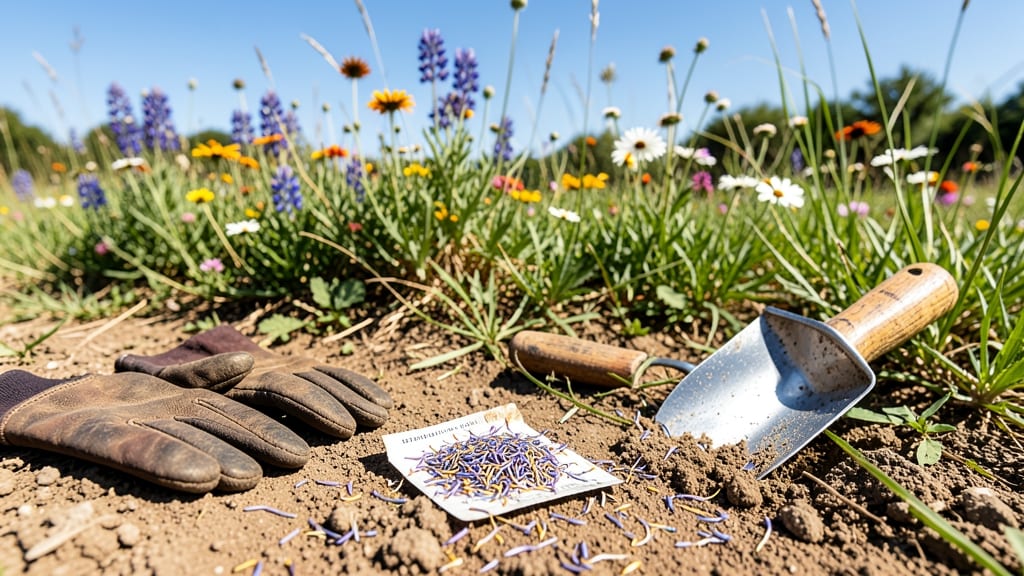
Planting wildflower seeds in Texas at the wrong time can leave you staring at bare soil instead of a vibrant 🌼 meadow—but getting the timing right turns your landscape into a colorful masterpiece with minimal effort.
Texas gardeners know the struggle: too early, and seeds rot in soggy soil; too late, and drought steals their chance to sprout. The key lies in matching your planting window with Texas's 6a-10a climate zones and natural rainfall cycles.
Fall planting (September-November) gives wildflowers a head start, while spring (February-April) captures peak blooming season. I'll show you exactly how to align your schedule with Texas's unpredictable weather for guaranteed success.
Whether you're in North Texas or the Gulf Coast, these proven strategies will help your wildflowers thrive—no guesswork required. Let's get your seeds in the ground at the perfect moment.
Best Texas wildflower planting windows by rainfall zones
Texas's diverse rainfall zones create unique opportunities—and challenges—for wildflower planting. High Plains gardeners face dry winds, while Gulf Coast growers contend with humidity. Each zone has its own ideal planting window tied to natural moisture cycles. Understanding these patterns means the difference between a vibrant meadow and sparse blooms.
Native wildflowers thrive when planted during cooler months when rainfall is most reliable. In Central Texas, for example, October-November brings perfect conditions. Meanwhile, North Texas benefits from September-October plantings to capitalize on early rains. Let's break down the best timing for each zone.
🌱 Pro Tip: Always test soil moisture before planting. Stick your finger 2 inches deep—if it's dry, wait for rain. If damp, plant immediately to avoid seed dormancy.
| Rainfall Zone | Best Planting Window | Key Species | Rainfall Trigger | Soil Prep Tip |
|---|---|---|---|---|
| High Plains (Lubbock, Amarillo) | Late September-October | Blackfoot Daisy, Purple Prairie Clover | 0.5" rain after planting | Loosen soil 1 inch deep to reduce compaction |
| North Texas (Dallas, Fort Worth) | September-November | Bluebonnet, Indian Blanket | 1" rain within 2 weeks | Add compost to improve water retention |
| Central Texas (Austin, San Antonio) | October-November | Mexican Feathergrass, Winecups | 0.75" rain before planting | Mulch with straw to prevent erosion |
| Gulf Coast (Houston, Corpus Christi) | November-December | Coreopsis, Gulf Coast Penstemon | 1.5" rain within 1 week | Drain excess water to avoid root rot |
Spring plantings also work, but February-March is ideal for Gulf Coast zones where winter rains are abundant. In High Plains, however, spring planting risks drought stress—only attempt it if you can provide consistent irrigation for the first 30 days.
For Central Texas, my favorite species—Mexican Feathergrass—thrives when planted in October. The cool nights and warm days create perfect germination conditions. Pair it with Winecups for a two-tone meadow effect.
In North Texas, Bluebonnets are the star, but they need well-drained soil. Amend clay soil with sand to prevent waterlogging. Plant in September to give roots time to establish before winter.
💧 Watering Rule: After planting, water lightly daily for 10 days, then reduce to twice weekly once sprouts appear. Overwatering can drown seeds.
Each zone's historical rainfall patterns dictate success. For example, Gulf Coast areas often get heavy autumn rains, making November plantings foolproof. Meanwhile, High Plains gardeners should plant before the first frost (usually mid-November) to avoid seed dormancy.
My pro move? Plant a test patch in each zone to monitor moisture levels. Adjust your schedule based on what works best in your specific microclimate. Even within Central Texas, Hill Country may need earlier plantings than Edwards Plateau.
Finally, remember that native wildflowers are adapted to Texas's extremes. With the right timing, they'll bloom reliably year after year—even in drought conditions. Start with these zones, and soon you'll have a self-sustaining meadow that requires minimal care.
How to time wildflower planting with Texas rainfall patterns
Timing your wildflower planting with Texas's unpredictable rainfall patterns can feel like reading tea leaves—but it's simpler than you think. The key is understanding how soil moisture and historical rainfall data interact with your local climate.
For example, North Texas often gets heavy autumn rains that can wash away fresh seeds, while South Texas's dry winters require pre-spring planting. Let's break down the science behind the schedule so your seeds get the perfect head start.
Start by checking the National Weather Service's 14-day forecast and compare it to your area's 30-year rainfall averages. Tools like the Texas A&M AgriLife Extension provide free soil moisture maps that show when your region is primed for planting.
For instance, if your area typically gets 2-3 inches of rain per week in September, that's your cue to plant—just before the downpours begin. Pro tip: Use a soil moisture meter (around $20) to test your garden's readiness—aim for 30-40% moisture at 2 inches deep.
- 🌧️ Plant when forecasts show 1-2 inches of rain within 7-10 days—this ensures seeds germinate without drying out.
- 📅 Fall planting window: September 15-October 15 (North Texas); October 1-November 15 (Central/South Texas).
- 💧 Spring planting window: February 15-March 15 (avoid April showers that can cause seed rot).
- 🌡️ Wait until soil temps drop below 85°F in fall or rise above 60°F in spring—use a soil thermometer.
- 🌱 Scatter seeds after a light rain (or water gently) to help them settle into the soil without washing away.
Don't rely solely on forecasts—dig deeper with historical rainfall data. The Texas State Climatologist's Office offers tools to compare past years' patterns with current conditions. For example, if 2023's September rains were 40% below average, you might need to plant 2 weeks earlier to catch the next moisture window.
Pair this with a drip irrigation setup (even a simple soaker hose) to give seeds a consistent moisture boost if natural rains falter.
Watch for local microclimates too—your neighbor's yard might be perfect for planting, but your shadier spot or south-facing slope could dry out faster. Test these areas separately with your soil moisture meter.
If your soil stays dry despite forecasts, consider mulching with straw (2-3 inches thick) to retain moisture and cool roots. This is especially critical in West Texas, where evaporation rates can be double those of East Texas.
Finally, pay attention to wildflower seed dormancy periods. Many Texas natives, like bluebonnets, need a cold stratification period (4-6 weeks below 40°F) to germinate.
If you plant in mild-winter zones (like the Gulf Coast), you may need to chill seeds in the fridge for 4 weeks before planting. Always check the seed packet instructions—they often include dormancy tips tailored to your region.
With these strategies, you'll turn Texas's unpredictable weather into your wildflower garden's superpower. The right timing means fewer weeds, stronger blooms, and a landscape that thrives even during droughts. Happy planting—just don't forget the sunscreen for those Texas gardening days! 🌼☀️