
Flowers
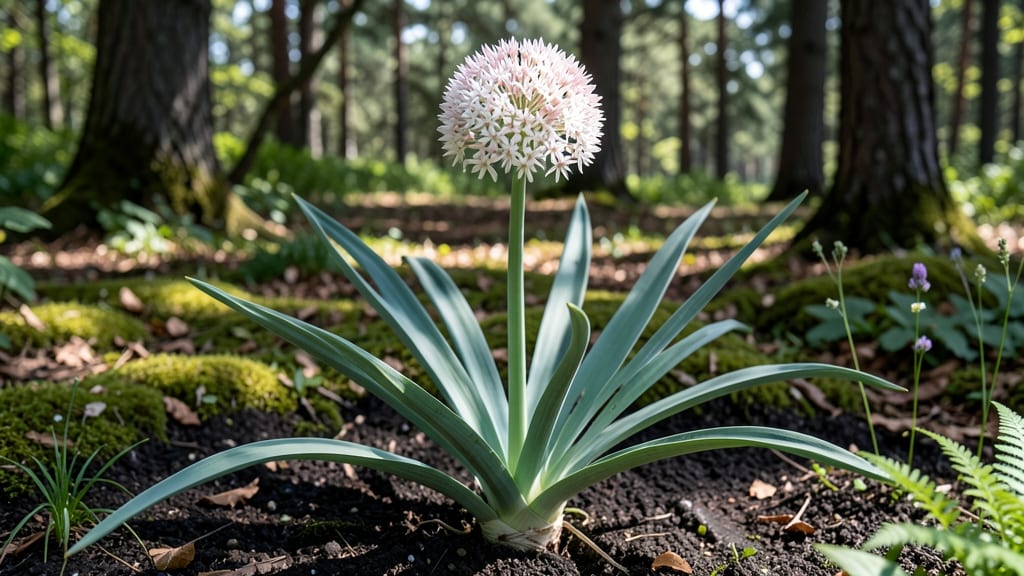
If you’ve ever wandered through a spring meadow and spotted delicate, star-shaped blooms nodding in the breeze, you might’ve glimpsed wild leek flowers—edible gems that double as a pollinator magnet and a secret ingredient for tea and salads.
These charming, light purple or white blossoms aren’t just pretty—they’re packed with a mild onion-garlic flavor that elevates dishes and herbal blends. But before you harvest, it’s crucial to distinguish them from toxic lookalikes like wild garlic or death camas.
I’ll show you how to spot them safely and when to pick for the best flavor.
Beyond their culinary uses, wild leek flowers thrive in woodland gardens and cottage-style borders, attracting bees and butterflies while adding texture to native landscapes. Whether you’re a forager, gardener, or simply love unique blooms, these flowers offer a versatile way to beautify your space—and your plate.
Ready to turn your backyard into a harvestable haven? Let’s dive into how to identify, harvest, and use these underappreciated blooms in creative ways.
How to identify and harvest wild leek flowers safely
Wild leek flowers (Allium tricoccum) are a delicate edible treasure that bloom in early spring, offering a mild onion-garlic flavor perfect for teas, salads, and garnishes. But before you harvest, it’s critical to distinguish them from toxic lookalikes like death camas or wild hyacinth.
Let’s break down the key visual identifiers and safe harvesting techniques to ensure you bring home only the best blooms.
Wild leek flowers typically appear between March and May, depending on your USDA zone (6a). These blooms grow on 1-2 foot stalks and feature pale pink to white bell-shaped flowers clustered in spherical umbels.
The leaves are long, strap-like, and vibrant green, often growing in partial shade under trees or along forest edges.
Never harvest flowers from plants with yellowing leaves or stunted growth, as these could signal stress or disease. Always confirm your identification by checking for the distinctive leek-like aroma when crushing a leaf—wild leeks smell strongly of garlic or onions, while toxic lookalikes have no scent.
Wild leek flowers (Allium tricoccum) can be confused with deadly toxic plants like death camas (Zigadenus) or wild hyacinth (Camassia). NEVER consume any plant unless you’re 100% certain of its identity.
Key Differences:
- Wild Leek: Garlic/onion scent, pale pink/white flowers, long strap-like leaves
- Death Camas: No scent, white flowers, checkered leaves
- Wild Hyacinth: Blue/purple flowers, bulbous base, no onion smell
When in doubt, don’t eat it! Use a reliable field guide or consult a local wildlife expert before harvesting.
The best time to harvest wild leek flowers is in the morning after dew has dried, when the blooms are fully open but haven’t begun to wilt.
Use clean, sharp scissors or pruning shears to cut the flower stalks at a 45-degree angle, leaving at least half the leaves intact to ensure the plant can photosynthesize and regrow.
Avoid harvesting more than 20-30% of the flowers from a single plant to prevent over-harvesting, which can weaken the plant and reduce future blooms. If you’re foraging in the wild, never take all the flowers from a patch—leave enough for pollinators and the plant’s survival.
Always harvest sustainably to protect these native woodland plants.
Once harvested, store wild leek flowers in a paper bag in the refrigerator for up to 3-5 days. For longer storage, dry the flowers by hanging small bundles upside down in a dark, well-ventilated area for 1-2 weeks.
Dried flowers can be stored in an airtight container for up to 6 months, perfect for making floral teas or decorative potpourri.
For peak flavor, harvest flowers when they’re fully open but still firm. Overripe flowers may become bitter, while underripe ones lack the mild onion-garlic notes that make them so prized in culinary and medicinal uses.
Test a small amount first to ensure the flavor aligns with your taste preferences—some describe it as milder than chives with a hint of sweetness.
Wild leek flowers are a valuable pollinator magnet, attracting bees and butterflies early in the season when few other blooms are available. If you’re growing them in your garden, consider leaving some flowers on the plant to support local ecosystems.
Even if you harvest a portion, the remaining blooms will continue to boost biodiversity in your landscape.
To encourage more flowers next season, fertilize lightly in early spring with a balanced 5-10-10 fertilizer and ensure the soil remains moist but well-drained. Wild leeks thrive in woodland conditions, so mimic their natural habitat by planting them under dappled shade or near trees.
Mulch with leaf litter or compost to retain moisture and suppress weeds.
With their unique flavor and ornamental value, wild leek flowers are a fantastic addition to edible landscapes and wildflower gardens. Whether you’re harvesting for tea, salads, or simply admiring their beauty, always prioritize safety and sustainability to enjoy these blooms for years to come. 🌱
5 Creative ways to use wild leek flowers in cooking & tea
Wild leek flowers—often overlooked—add a delicate onion-garlic flavor with a subtle floral note that brightens dishes. Their mild, aromatic profile makes them perfect for both culinary experiments and soothing teas.
Whether you're foraging from your garden or wild patches, these blooms deserve a spot in your kitchen as much as your landscape.
Harvest flowers when fully open but before they brown or wilt. Rinse gently to remove dirt, then pat dry with a paper towel. Store in a paper bag in the fridge for up to 5 days, or freeze for longer use.
Their versatility means you can preserve their freshness while unlocking their full potential in recipes.
For maximum flavor, pair wild leek flowers with complementary ingredients like citrus, herbs, or nuts. Their mild sweetness balances rich cheeses, while their oniony depth enhances roasted vegetables. Experiment with small batches to discover your favorite combinations.
Wild leek flowers also attract pollinators like bees and butterflies, making them a functional addition to your garden. After harvesting, leave some blooms behind to support ecosystem health while still enjoying their culinary benefits. It’s a win-win for both your plate and the planet!
Start simple with tea or garnishes, then explore more adventurous recipes like fermented pickles or infused oils. With a little creativity, these foraged blooms can transform ordinary meals into extraordinary experiences. Happy foraging!