
Flowers
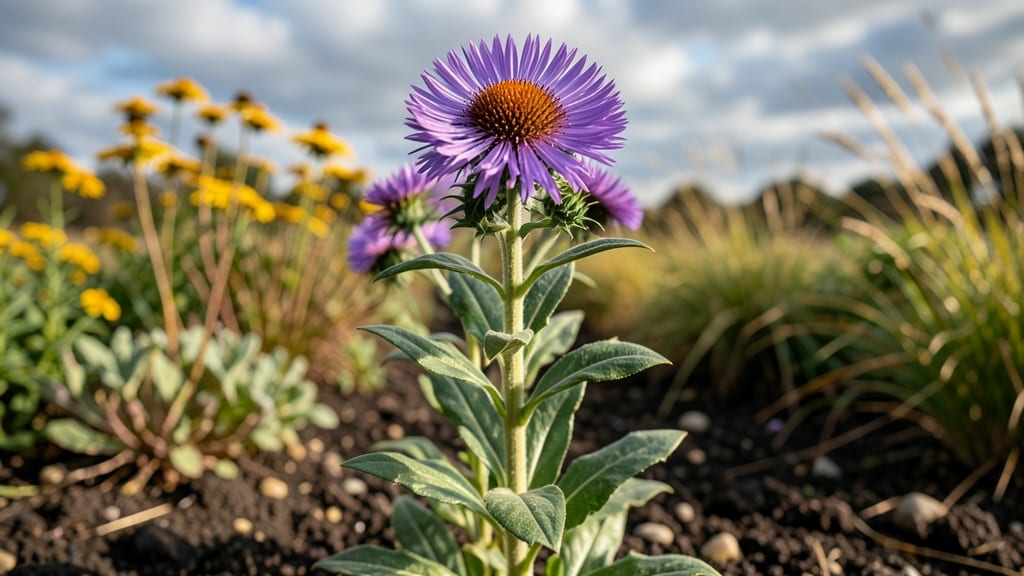
When planning your garden, the aster flower height you choose can completely transform your space—whether you want a dramatic 6-foot backdrop or a dainty 1-foot border. These versatile blooms come in every size, from towering varieties like the New England aster to compact types perfect for containers.
If you’ve ever struggled to visualize how tall your asters will grow, you’re not alone. The right height makes all the difference in spacing, sunlight exposure, and even seasonal impact.
I’ll break down the exact ranges for popular varieties so you can pick the perfect fit for your garden’s style and layout.
Beyond just height, I’ll share how to control growth with pruning and staking, plus smart spacing tips to avoid overcrowding. Whether you’re designing a cutting garden or a low-maintenance border, knowing these details will help your asters thrive—and look their best.
Ready to turn your garden into a showstopper? Let’s dive into the key heights, varieties, and tricks to get the most out of your asters this season.

Aster flower height by variety: tall, medium, and dwarf options
Asters are late-season superstars that add vibrant color to gardens when many other flowers fade. But their height variations can drastically change how you use them in your landscape. Some tower over your head, while others stay neatly contained—knowing these differences helps you create stunning visual layers and functional spaces.
Whether you're designing a cottage garden or a modern urban plot, choosing the right aster height ensures your flowers thrive without overcrowding or looking lost.
From dwarf varieties perfect for containers to tall giants that anchor borders, asters offer something for every garden size. The key is matching their mature height to your design goals: backdrop drama, border definition, or container elegance.
Below, I’ve broken down 15+ popular aster varieties by height category, including their growth habits and ideal spacing for maximum impact. Pro tip: Spacing matters—tall asters need room to sway in the breeze, while dwarf types benefit from tight clusters for a lush look.