
Shrubs
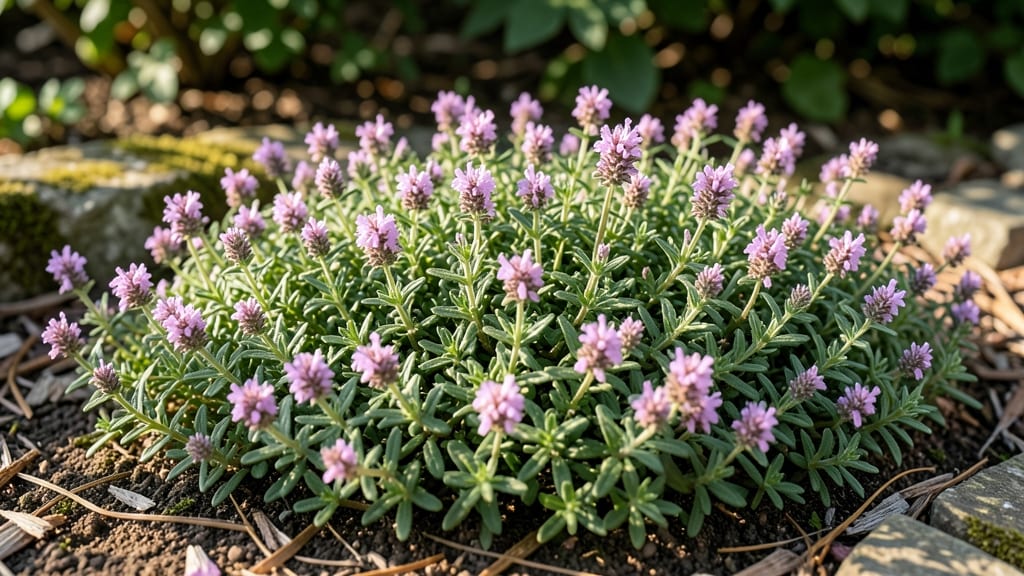
Why flowering creeping thyme is the ultimate drought-resistant ground cover
If you're dreaming of a garden that thrives on minimal water while still bursting with color and fragrance, flowering creeping thyme is your perfect solution. This hardy perennial ground cover doesn't just survive drought—it flourishes in dry conditions, making it ideal for modern, eco-conscious landscapes.
Its trailing growth habit and year-round interest transform even the driest spots into vibrant displays.
Beyond its water-saving superpowers, creeping thyme plays a crucial role in pollinator gardens by attracting bees and butterflies with its nectar-rich blooms. The plant's dense mat formation also prevents soil erosion, making it a practical choice for slopes or areas prone to runoff.
Plus, its fragrant foliage adds sensory delight whenever you brush against it.
What sets flowering creeping thyme apart is its versatility. Whether you're designing a rock garden, lining a walkway, or filling gaps between stepping stones, this plant adapts beautifully.
Its low-growing nature (typically 3-6 inches tall) means it won't overshadow other plants, yet it creates a lush carpet that suppresses weeds naturally.
Let's break down why this plant is a game-changer for drought-prone gardens, from its ecological benefits to its easy-care requirements—all while delivering stunning visual appeal year after year.
| Feature | Details |
|---|---|
| Drought Tolerance | Thrives with minimal water once established; ideal for xeric landscapes |
| Pollinator Magnet | Attracts bees, butterflies with nectar-rich blooms; supports local ecosystems |
| Erosion Control | Dense trailing growth stabilizes soil; perfect for slopes or bare spots |
| Low Maintenance | Requires no fertilizing after establishment; self-spreading reduces gaps |
| Year-Round Interest | Fragrant foliage in winter; colorful blooms spring through fall |
| Versatile Uses | Rock gardens, walkway borders, container gardens, or edible landscaping |
One of the most impressive traits of flowering creeping thyme is its adaptability to poor soil. Unlike many ornamental plants, it doesn't demand rich, fertile soil to thrive. In fact, it prefers well-draining conditions and can even tolerate sandy or rocky soils where other plants might struggle.
This makes it an excellent choice for urban gardens with compacted soil or rural landscapes with less-than-ideal growing mediums.
For gardeners in USDA Zones 5-9, flowering creeping thyme is a reliable performer, offering four-season interest. Even in winter, its silver-gray foliage provides texture and contrast against snow or bare branches.
When spring arrives, it bursts into vibrant blooms in shades of pink, purple, or white, creating a living carpet that's both beautiful and functional.
The plant's self-spreading habit means it fills in bare areas effortlessly, reducing the need for weed control or mulching. Over time, it forms a dense mat that crowds out unwanted plants naturally.
This trait also makes it ideal for ground cover in between pavers or as a living mulch around shrubs and perennials.
Beyond its practical benefits, flowering creeping thyme adds a sensory experience to your garden. Simply brush your hand over the leaves to release their aromatic oils, which range from citrusy to minty depending on the variety.
This makes it a delightful addition to sensory gardens or spaces designed for relaxation.
If you're concerned about pest problems, rest assured that creeping thyme is highly resistant to deer and rabbits, making it a low-maintenance choice for areas where wildlife browsing is an issue. Its bitter taste deters most herbivores, so you won't need to invest in fencing or repellents.
For modern gardeners prioritizing sustainability, flowering creeping thyme is a standout performer. Its low water requirements and minimal care needs align perfectly with xeriscaping principles, helping conserve water while still delivering high-impact visuals.
Whether you're designing a pollinator-friendly garden or simply looking for a low-fuss ground cover, this plant checks all the boxes.
Ready to transform your garden into a drought-smart oasis? Flowering creeping thyme proves that beauty and resilience go hand in hand—without sacrificing ease of care. 🌿
Best planting and care tips for thriving flowering creeping thyme
Flowering creeping thyme is one of the easiest and most rewarding ground covers you can add to your garden. With its fragrant foliage and vibrant blooms, it thrives in conditions where other plants struggle.
The key to its success lies in understanding its sunlight needs, soil preferences, and minimal care requirements. Whether you're lining a pathway, filling gaps between stepping stones, or creating a pollinator-friendly meadow, this plant delivers year-round beauty with almost no effort.
Unlike its culinary cousin, creeping thyme isn't grown for harvest—it's planted for its ornamental appeal and ecological benefits. It attracts bees, butterflies, and beneficial insects while suppressing weeds naturally. But to get the most from your plants, you'll want to follow a few essential planting and maintenance steps.
Let's dive into the step-by-step guide that will ensure your creeping thyme thrives for years to come.
- 1 Sunlight: Plant in full sun (6+ hours daily) for optimal growth and blooming. Partial shade reduces flowering but still works for foliage coverage.
- 2 Soil: Use well-draining soil with a pH of 6.0-7.5. Amend heavy clay with sand or gravel to prevent root rot.
- 3 Spacing: Plant 12-18 inches apart for full coverage. Closer spacing speeds up ground cover but may require more pruning.
- 4 Watering: Water deeply but infrequently—once weekly in spring/fall, bi-weekly in summer. Drought tolerance kicks in after establishment.
- 5 Pruning: Trim spent blooms in late summer to encourage new growth. Lightly shear in early spring to shape and remove woody stems.
- 6 Fertilizer: Apply a balanced 5-10-10 fertilizer in early spring (1 tbsp per 10 sq ft). Avoid over-fertilizing—it reduces drought resistance.
- 7 Seasonal Care: Mulch lightly in winter to protect roots. Remove debris in spring to prevent fungal issues and encourage fresh growth.
One of the biggest mistakes gardeners make with creeping thyme is overwatering. This plant is drought-tolerant once established, meaning it stores water efficiently in its woody stems. Watering too frequently can lead to root rot or fungal diseases, especially in heavy soils.
Instead, focus on deep watering sessions that encourage strong root development. I’ve seen creeping thyme thrive in my garden with just one deep watering every 10-14 days during summer heatwaves.
When it comes to pruning, less is often more. A light trim in early spring helps remove any dead or woody growth and encourages fresh, vibrant foliage. After the first flush of blooms in late summer, a light deadheading will prompt another round of flowers before winter.
Avoid heavy pruning—this plant spreads naturally, and aggressive trimming can slow its ground-covering abilities. Think of pruning as a way to shape and refresh, not to reshape entirely.
Creeping thyme is also a fantastic plant for wildlife-friendly gardens. Its tiny purple, pink, or white flowers are a magnet for bees and butterflies, especially in early spring when other pollinator food sources are scarce.
To maximize its benefits, plant it in clusters or borders where pollinators can easily access the blooms. Pair it with other low-growing perennials like sedum or ajuga for a layered, pollinator-rich landscape that requires minimal maintenance.
If you're looking to propagate creeping thyme to fill more space in your garden, division is the easiest method. Simply dig up a healthy section, divide the roots gently, and replant the divisions in their new location.
This works best in early spring or fall when the plant isn’t actively flowering. You can also take stem cuttings in summer, root them in water or moist sand, and transplant once roots form.
This is a great way to share plants with friends or expand your garden without spending a dime.
With its