
Flowers
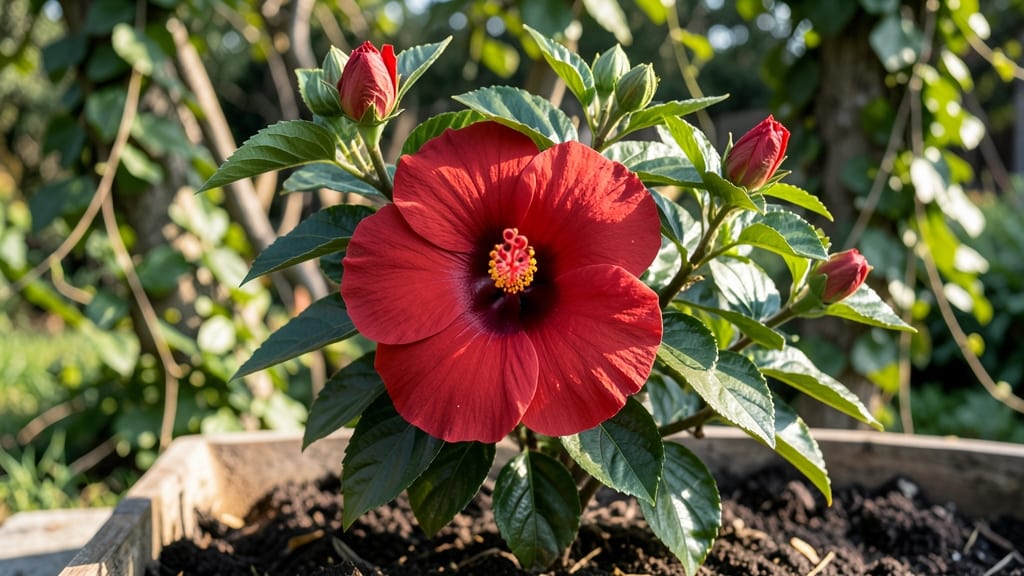
Want to grow the biggest hibiscus flower so big they’ll make your neighbors stop and stare? The secret to cultivating the biggest hibiscus blooms isn’t just luck—it’s a mix of science and strategy, starting with the right variety and perfect growing conditions.
Picture this: football-sized blooms that turn heads in your garden, but achieving that kind of grandeur takes more than wishful thinking. You’ll need to master sunlight exposure, soil nutrition, and pruning techniques that encourage explosive growth.
I’ve tested what works (and what doesn’t) over years of gardening, and I’m sharing the exact steps to double—or even triple—the size of your hibiscus flowers.
From selecting the hardiest varieties like Hibiscus rosa-sinensis to timing your pruning just right, every detail matters. Whether you’re a seasoned gardener or just starting with your first hibiscus plant, these proven methods will help you grow showstopping blooms in as little as 6 months.
Ready to transform your garden into a hibiscus paradise? Let’s dive into the step-by-step secrets that’ll have your neighbors asking for your tips—and your hibiscus stealing the spotlight.
How to identify and select the best hibiscus varieties for giant flowers
Not all hibiscus varieties produce plate-sized blooms. The key lies in selecting tropical hibiscus like Hibiscus rosa-sinensis 'Giant Red' or hardy hibiscus like Hibiscus syriacus 'Diana', both known for oversized flowers that can reach 8-12 inches wide.
These varieties thrive under specific conditions, so knowing their growth habits is critical. For example, 'Giant Red' grows 10-15 feet tall in tropical climates, while 'Diana' stays 6-10 feet in cooler zones.
When choosing between seeds or cuttings, opt for cuttings from mature plants to ensure genetic consistency and larger blooms. Seeds may produce smaller flowers unless you source them from a reputable hibiscus breeder specializing in giant varieties.
Always check the USDA hardiness zone—most giant hibiscus varieties prefer zones 7-11, with some tropical types needing year-round warmth.
Here’s how to compare the top giant hibiscus varieties for your garden:
For maximum bloom size, prioritize varieties like Hibiscus rosa-sinensis 'Giant Red' if you live in warm climates. In cooler regions, Hibiscus syriacus 'Diana' is a hardy perennial that still delivers large, showy flowers.
Always verify the parent plant’s size—some hybrids may not reach their full potential unless grown from cuttings taken from a proven giant-blooming specimen.
Seasonal considerations matter too. Tropical hibiscus varieties need year-round warmth, while hardy types like 'Diana' can tolerate light frosts but may drop leaves. If you’re in zone 7 or cooler, choose hardy hibiscus and protect them with mulch or burlap wraps during winter.
For tropical types, grow them in containers so you can move them indoors before cold snaps.
When selecting seeds or cuttings, avoid cheap nursery plants labeled as "hibiscus" without specifying the variety—many are small-flowered hybrids. Instead, source from specialty growers or take cuttings from a known giant-blooming plant.
Look for thick, woody stems and large buds as signs of a high-quality cutting. For seeds, opt for heirloom or hybrid varieties with a reputation for oversized blooms.
Pro tip: Pair your giant hibiscus with complementary plants like canna lilies or bird of paradise to create a tropical oasis that highlights their dramatic blooms. Just ensure your hibiscus gets at least 6 hours of direct sunlight daily—partial shade will limit flower size.
With the right variety and care, you’ll have hibiscus flowers big enough to frame a picture in no time!
🌸
Step-by-step soil, sunlight, and watering secrets for explosive growth
Your hibiscus’s flower size starts with the soil foundation. These tropical beauties thrive in well-draining, slightly acidic soil with a pH between 6.0-6.5. Test your soil—if it’s too alkaline, amend with sulfur or peat moss to create the ideal environment for nutrient uptake.
I’ve found that adding aged compost or worm castings boosts organic matter, which directly fuels larger blooms.
Don’t overlook nutrient blends—hibiscus plants are heavy feeders. A balanced fertilizer with equal parts nitrogen, phosphorus, and potassium (like 10-10-10) promotes overall health, but phosphorus-rich fertilizers (e.g., 5-10-5) push flower production. I switch to a low-nitrogen, high-phosphorus formula when buds form to maximize bloom size.
⚠️ callout-warning ⚠️
🚨 Biggest Mistake with Hibiscus Soil
Overwatering or compacted soil suffocates roots, starving your plant of oxygen and nutrients. This leads to stunted growth and smaller flowers. Always use well-draining soil with 10-20% perlite or sand to prevent waterlogging.
🌱 Fix it: Loosen soil annually with a garden fork and mulch with wood chips to retain moisture without compacting.
Sunlight exposure is non-negotiable for giant hibiscus flowers. These plants demand 6+ hours of direct sunlight daily—any less, and you’ll get smaller, weaker blooms. I’ve seen Hibiscus rosa-sinensis in full sun produce flowers 3x larger than those in partial shade. South-facing gardens are ideal, but if you’re in a hot climate, provide afternoon shade to prevent leaf scorch.
Watering depth and timing make or break your hibiscus’s growth. Deep watering (1-2 inches per week) encourages strong root systems, while shallow watering leads to weak stems and tiny blooms.
I water mine in the early morning to reduce evaporation and fungal risks. Avoid wetting leaves—water at the base of the plant instead to keep foliage dry.
Watch for overwatering signs: yellowing leaves, wilting despite moist soil, or mushy stems. These are red flags that your hibiscus is drowning. On the flip side, underwatering causes buds to drop before opening.
I’ve perfected a finger test: stick your finger 2 inches into the soil—if it’s dry, it’s time to water.
For explosive growth, combine these secrets: acidic, nutrient-rich soil, full sun exposure, and consistent deep watering. Skip one, and your hibiscus will stay small. But nail all three, and you’ll be the gardener with the plate-sized blooms everyone admires. 🌸