
Succulent
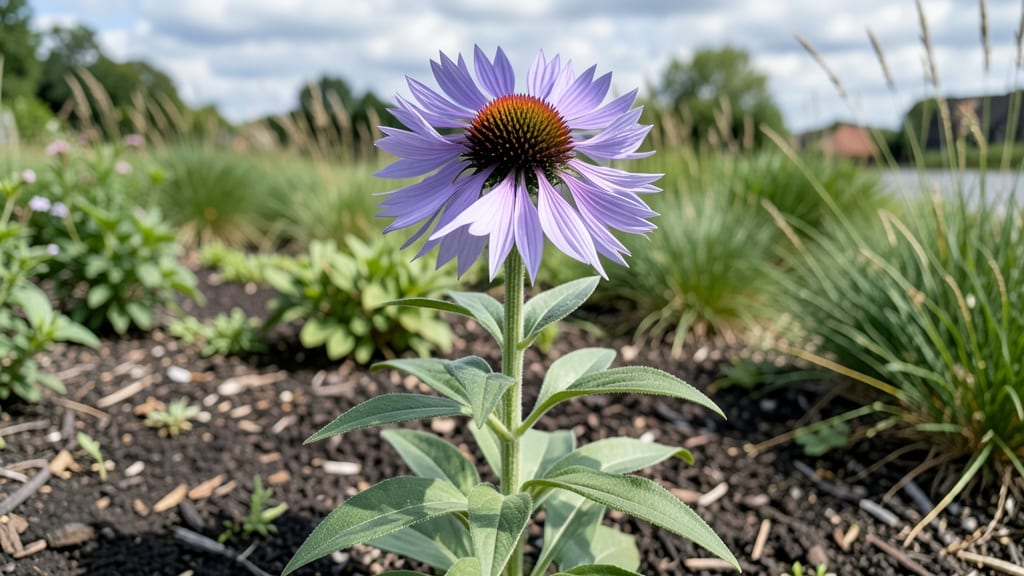
Why blue coneflower echinacea thrives in drought and poor soil conditions
If you're searching for a hardy, pollinator-friendly perennial that thrives in drought conditions while adding vibrant color to your garden, blue coneflower echinacea could be your perfect solution. This drought-tolerant beauty isn't just stunning—it's practically indestructible, making it ideal for USDA zones 3-9 and even challenging landscapes.
The secret lies in its deep taproot system, which allows it to access water deep underground, reducing the need for frequent irrigation.
Unlike many perennials, blue coneflower doesn't demand rich soil—it thrives in poor, rocky, or sandy soil where other plants might struggle, making it a fantastic choice for low-maintenance gardens.
Let's dive into what makes blue coneflower echinacea so resilient, from its water efficiency to its ability to prevent soil erosion with its robust root structure.
🌱 Key Resilience Factors
| Feature | Details |
|---|---|
| Root System | Deep taproot (up to 3 feet) accesses moisture deep underground |
| Water Needs | Drought-tolerant once established; needs 1-2 inches of water per week |
| Soil Tolerance | Thrives in poor, rocky, or sandy soil; avoids waterlogged conditions |
| Erosion Control | Deep roots stabilize soil, preventing erosion on slopes or hillsides |
| Climate Range | Adapted to USDA zones 3-9; handles heat, cold, and dry spells |
| Pollinator Magnet | Attracts bees, butterflies, and hummingbirds with long-lasting blooms |
One of the most impressive traits of blue coneflower echinacea is its ability to store water efficiently in its fibrous roots. This adaptation allows it to survive prolonged dry spells without wilting, making it a top choice for xeriscaping and water-wise gardens.
Even in extreme heat, this plant remains upright and lush, unlike many other perennials that droop or wilt.
When it comes to soil conditions, blue coneflower is remarkably adaptable. While it prefers well-draining soil, it can tolerate clay, sand, or even slightly alkaline soil—conditions that would stress out many other plants.
The key is avoiding waterlogged soil, which can lead to root rot. In fact, I’ve seen blue coneflower thrive in urban landscapes with compacted soil where nothing else would grow.
The plant’s deep root system also plays a crucial role in preventing soil erosion. When planted on slopes or hillsides, its roots anchor the soil, reducing runoff and keeping the landscape stable.
This makes it an excellent choice for eco-friendly landscaping and native plant gardens, where its resilience aligns perfectly with sustainable practices.
Another advantage is its low-maintenance nature. Unlike high-maintenance perennials that require frequent fertilizing or soil amendments, blue coneflower echinacea doesn’t need rich compost to flourish. In fact, over-fertilizing can actually reduce blooms by encouraging too much leafy growth.
A light application of balanced fertilizer in early spring is usually sufficient to keep it healthy and blooming.
Blue coneflower’s ability to self-seed also contributes to its long-term success in challenging conditions. Once established, it naturally spreads, creating dense patches that outcompete weeds and further stabilize the soil. This makes it a fantastic ground cover alternative for areas where traditional lawns struggle to grow.
If you're dealing with poor soil quality or limited water resources, blue coneflower echinacea is a game-changer. Its natural resilience and low-care requirements make it one of the most forgiving perennials for both beginner and experienced gardeners alike.
For those in USDA zones 3-9, this plant is a no-brainer. Whether you're reviving a neglected garden or designing a pollinator-friendly landscape, blue coneflower echinacea delivers beauty, durability, and ecological benefits with minimal effort.
Ready to add this hardy perennial to your garden? Start by choosing a sunny spot with well-draining soil, and watch it thrive with little to no fuss. Your pollinators—and your water bill—will thank you! 🌼
How to grow and maintain blue coneflower echinacea for maximum blooms
Growing blue coneflower echinacea is easier than you think, especially when you follow the right steps for planting and maintenance. This stunning perennial flower thrives in full sun and well-draining soil, making it perfect for beginner and experienced gardeners alike.
With the right care, you'll enjoy vibrant blooms from early summer through fall, attracting pollinators like bees and butterflies to your garden.
One of the keys to maximizing echinacea blooms is understanding its seasonal needs. Whether you're planting from seeds, transplants, or dividing established clumps, timing and technique matter. Let's break down the essential steps to ensure your blue coneflower grows strong and produces an abundance of flowers year after year.
Step-by-Step Guide to Growing Blue Coneflower Echinacea
-
Step 1: Choose the Right Location
Select a spot with 6+ hours of sunlight and well-draining soil. Blue coneflower thrives in USDA zones 3-9, making it versatile for most climates. -
Step 2: Plant at the Right Time
Plant seeds in spring (after last frost) or transplants in early spring or fall. Space plants 18-24 inches apart for optimal airflow and growth. -
Step 3: Water Deeply but Infrequently
Water deeply 1-2 times per week during the first growing season. Once established, reduce watering to every 2 weeks—blue coneflower is drought-tolerant once mature. -
Step 4: Fertilize Lightly in Spring
Apply a balanced fertilizer (5-10-10) in early spring to encourage root and foliage growth. Avoid over-fertilizing, as echinacea prefers lean soil. -
Step 5: Deadhead Spent Blooms
Remove faded flowers in late summer to encourage reblooming. This also prevents the plant from self-seeding excessively. -
Step 6: Prune in Early Spring
Cut back dead foliage in early spring to make room for new growth. Avoid heavy pruning, as echinacea stores energy in its roots. -
Step 7: Mulch for Winter Protection
Apply a 2-inch layer of mulch in fall to protect roots from freezing temperatures. Remove mulch in spring to allow soil to warm.
Pruning is a critical step for maintaining healthy blue coneflower plants. After the first flush of blooms in summer, deadhead spent flowers to encourage a second round of blooms. In early spring, trim back any dead or damaged stems to promote new growth and prevent disease.
Blue coneflower is low-maintenance once established, but a few extra steps can make a big difference in bloom quantity. For example, dividing mature clumps every 3-4 years helps rejuvenate the plant and prevents overcrowding. Simply dig up the clump, separate the roots, and replant the divisions in fresh soil.
With these simple steps, your blue coneflower echinacea will reward you with vibrant, long-lasting blooms that attract pollinators and add beauty to your garden for years to come. Happy gardening! 🌸