
Planting
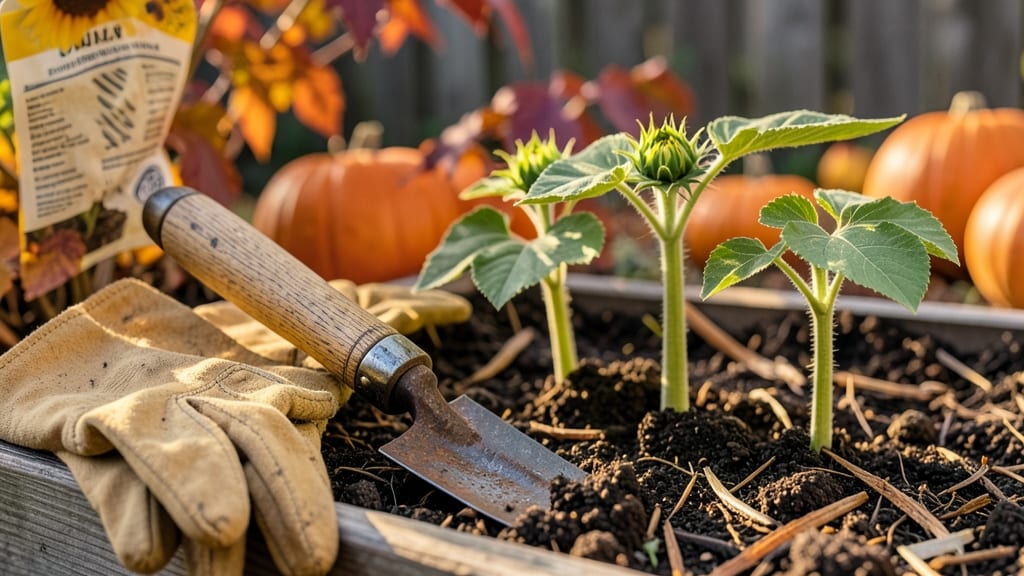
Planting sunflowers in fall might seem risky, but with the right varieties and timing, you can actually extend your growing season for stunning spring blooms.
The key is choosing frost-tolerant types like 'Autumn Beauty' or 'Russian Giant' that thrive in cooler temperatures, making them perfect for late-season planting in zones 3-10.
Many gardeners assume fall planting is too late, but sunflowers 🌻 can handle light frost once established, especially when sown between August 1 and September 15. This strategy gives them time to develop strong roots before winter, setting the stage for vibrant growth come spring.
What makes this approach work isn't just timing—it's also about soil prep and protection. Mulching young seedlings and selecting shorter varieties helps prevent overwintering challenges, while proper spacing ensures they don't compete for nutrients in crowded beds.
If you're curious about how to make this work in your garden, I'll walk you through the exact steps—from variety selection to frost-proofing tips—that turn late-season planting into a rewarding success.
Best fall-planting sunflower varieties that survive frost
Fall-planted sunflowers can thrive if you choose the right cold-hardy varieties and time your planting correctly. While most sunflowers are annuals, some varieties tolerate light frost and even overwinter in milder climates. The key is selecting short-day or day-neutral types that won’t bolt prematurely in cooler weather.
In USDA zones 3-6, frost can arrive as early as October, so timing is critical. Plant 8-10 weeks before your first frost to give seedlings time to establish roots before winter dormancy.
In zones 7-10, you have more flexibility, but still avoid planting too late—September is ideal for most regions.
Here’s a breakdown of the top frost-tolerant varieties and their performance in fall planting:
| Variety | Frost Tolerance | USDA Zones | Germination Time | Bloom Time |
|---|---|---|---|---|
| Autumn Beauty | Tolerates 20°F with mulch | 3-10 | 7-14 days | Late summer to fall |
| Russian Giant | Survives 15°F with protection | 4-9 | 10-14 days | Mid-summer to early fall |
| Moulin Rouge | Tolerates 25°F lightly | 5-10 | 5-10 days | Late summer |
| Teddy Bear | Tolerates 28°F with mulch | 6-10 | 8-12 days | Mid-summer |
| ProCut | Tolerates 22°F lightly | 7-10 | 6-10 days | Late summer |
Autumn Beauty is my top recommendation for fall planting—it thrives in zones 3-10 and produces stunning bi-color blooms that attract pollinators. Its 7-14 day germination makes it ideal for late-season sowing, and it handles light frost down to 20°F with proper mulching.
For colder climates (zones 3-6), Russian Giant is a powerhouse, surviving 15°F with row covers or thick mulch. However, its 10-14 day germination means you’ll need to start seeds indoors 4-6 weeks before transplanting to beat frost.
If you’re in warmer zones (7-10), Moulin Rouge and Teddy Bear are excellent choices. Their dwarf varieties (3-5 feet tall) make them perfect for containers or small gardens, and they bloom earlier than standard types, giving you late-summer color even when planted in fall.
Always check your local frost dates and adjust planting times accordingly. For example, in zone 5, aim for mid-August sowing, while zone 8 gardeners can plant until mid-September. Mulching with straw or leaves adds an extra 5-10°F of protection for young plants.
Fall-planted sunflowers may not bloom until next summer, but their hardy roots will give you a head start. With the right variety and timing, you’ll enjoy larger, earlier blooms and fewer pests—plus, the seed heads provide winter interest in your garden.
🌻
Step-by-step guide: how to plant sunflowers in fall for spring blooms
Planting sunflowers in fall is a smart way to beat spring crowds and enjoy early blooms next year—but timing and technique matter. The key is to start seeds 8-10 weeks before your first frost, typically between August 1 and September 15, depending on your USDA zone.
This gives seedlings time to develop strong roots before winter dormancy.
Unlike spring planting, fall sunflowers need extra care to survive light frosts and prevent rot. I’ve found that mulching with straw or leaves after planting adds critical insulation, while choosing shorter varieties (4-6 feet tall) reduces frost damage risks.
Let’s break down the exact steps to make this work in your garden.
🌱 Fall Sunflower Planting Checklist
- 1
- 2
- 3
- 4
- 5
- 6
- 🌡️ Zones 3-5: Plant by September 1; use row covers for extra frost protection.
- 🌞 Zones 6-10: Extend to October 1; shorter varieties need less winter protection.
For gardeners in warmer southern climates (zones 8-10), fall planting offers a second chance to grow sunflowers without summer heat stress. Here, you can push planting to late October if you use dwarf varieties and provide light row covers during unexpected cold snaps.
One common mistake I see is overwatering fall-planted sunflowers. While they need consistent moisture to establish roots, water only when the top 2 inches of soil are dry.
Overwatering in cool weather leads to root rot, which can kill seedlings before spring. Always water in the morning to let foliage dry before evening.
If you’re in a northern climate (zones 3-5), consider starting seeds indoors 6-8 weeks before your last frost date and transplanting seedlings outdoors in early fall. This gives them a head start and increases survival rates. Just harden them off for 7-10 days before moving them outside.
With these steps, your fall-planted sunflowers will reward you with bold, early blooms next summer—often outperforming spring-planted varieties in both size and vibrancy. The secret? Patience and protection pay off in stunning results. 🌻