
Flowers
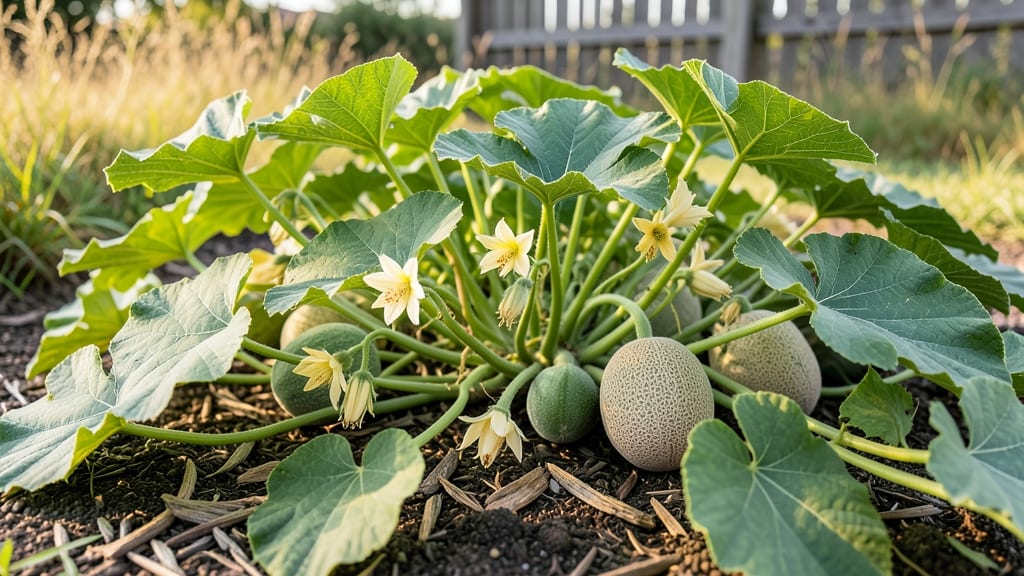
Transforming a cantaloupe flower into a sweet, ripe fruit isn’t just luck—it’s science, timing, and a little know-how. Did you know that only about 20% of cantaloupe flowers naturally develop into fruit?
The secret lies in understanding how to support the pollination process, whether you rely on bees or lend a helping hand yourself.
If you’ve ever watched your cantaloupe plants bloom only to see most flowers drop off without fruiting, you’re not alone. The key to success starts with recognizing the difference between male and female flowers and creating the ideal conditions for pollination.
With the right techniques, you can dramatically increase your fruit set and enjoy a bountiful harvest of juicy, sun-ripened cantaloupes.
In this guide, I’ll walk you through the entire process—from identifying the perfect moment to pollinate to troubleshooting common issues that keep fruit from forming. Whether you’re a seasoned gardener or just starting out, these practical tips will help you turn every flower into a delicious cantaloupe.
Ready to maximize your garden’s potential? Let’s dive into the steps that will turn your cantaloupe flowers into the sweet rewards you’re growing for.
How cantaloupe flowers develop into fruit: the science of pollination
Cantaloupe plants produce two distinct types of flowers: male and female. The male flowers appear first and have long stems with no fruit behind them, while female flowers develop a tiny cantaloupe at their base.
Understanding this difference is key to maximizing fruit set, as only female flowers can develop into fruit after successful pollination.
Pollination occurs when pollen from male flowers transfers to the stigma of female flowers. In nature, bees and other pollinators handle this task, but environmental factors like temperature, humidity, and wind can limit their effectiveness.
This is why some gardeners turn to hand-pollination for guaranteed results, especially in areas with fewer pollinators.
| Stage | Key Features | Optimal Conditions | Pollination Method |
|---|---|---|---|
| Male Flower Stage | Long stems, no fruit | 70-85°F, sunny days | Bees/wind |
| Female Flower Stage | Small fruit at base | 75-90°F, 40-60% humidity | Bees/hand-pollination |
| Pollination Window | Morning hours (7-10 AM) | Calm wind, no rain | Bees/hand-pollination |
| Fruit Set Confirmation | Fruit swells in 3-5 days | Consistent watering | Monitor growth |
For pollination to succeed, temperature plays a critical role. Cantaloupe flowers thrive in temperatures between 75-90°F (24-32°C). Below 60°F (15°C), pollen production slows, and above 95°F (35°C), pollen grains become less viable. This is why early morning pollination—when temperatures are cooler—often yields better results.
Humidity also affects pollination success. High humidity can cause pollen to clump together, making it harder for bees to transfer it effectively. Aim for 40-60% humidity during flowering. If your area experiences high humidity, consider hand-pollinating to bypass this issue entirely.
Wind can either help or hinder pollination. While a gentle breeze aids pollen transfer, strong winds can blow pollen away before it reaches the stigma. If you notice drooping flowers or uneven fruit set, wind may be the culprit. In such cases, hand-pollination becomes even more essential.
Not all female flowers will set fruit, even after pollination. Common reasons include nutrient deficiencies, inconsistent watering, or pest damage. If you notice flowers wilting or dropping without fruit development, check for aphids or thrips, which can interfere with pollination by damaging flower parts.
Bees are the primary natural pollinators for cantaloupes, but they require access to nectar-rich flowers to stay active. Planting bee-friendly companions like basil, marigolds, or sunflowers near your cantaloupe patch can attract more pollinators and improve fruit set naturally.
If you’re growing cantaloupes in a greenhouse or container, pollinators may be scarce. In these cases, hand-pollination is your best bet. Use a small paintbrush or cotton swab to transfer pollen from male to female flowers in the morning when flowers are fully open and pollen is most viable.
Once pollination occurs, you’ll see the female flower’s tiny fruit begin to swell within 3-5 days. If it doesn’t, revisit your pollination method or environmental conditions. Remember, patience and consistency are key—healthy cantaloupe vines can produce 20-30 female flowers, but not all will set fruit.
Step-by-step guide to hand-pollinating cantaloupe for guaranteed fruit set
Hand-pollinating cantaloupe flowers gives you control over fruit set, especially when bees are scarce or weather conditions aren’t ideal. The process is simple but requires attention to detail—starting with identifying the right flowers and using the proper tools.
I’ve found that morning pollination (between 8 AM and 10 AM) yields the best results, as flowers are fresh and humidity is lower, reducing the risk of fungal issues.
Before you begin, gather your supplies: a soft paintbrush or cotton swab, a small bowl of water, and a pair of gardening gloves. Avoid using fingers, as natural oils can interfere with pollination.
The goal is to mimic how bees transfer pollen from male to female flowers efficiently. With these tools in hand, you’re ready to transform those blooms into future cantaloupes.
How to Hand-Pollinate Cantaloupe Flowers
- Step 1: Identify female flowers by looking for a small swollen ovary at the base (male flowers have no ovary).
- Step 2: Gently collect pollen from male flowers by brushing the anthers (yellow dusty parts) with your paintbrush or cotton swab.
- Step 3: Dip the pollen-covered brush into the bowl of water to moisten the pollen (this helps it stick better).
- Step 4: Transfer pollen to the center of a female flower by brushing the stigma (the fuzzy tip) gently.
- Step 5: Repeat for 3-5 female flowers per plant to maximize fruit set.
Timing is everything when it comes to hand-pollination. I recommend pollinating flowers every 2-3 days during peak blooming season (typically late morning when flowers are fully open). Avoid pollinating after rain or in high humidity, as excess moisture can wash away pollen or encourage mold.
If you miss a day, don’t worry—cantaloupe flowers often remain receptive for 24-48 hours after opening.
Common mistakes can sabotage your efforts, so pay attention to these pitfalls: over-pollinating a single flower (which can lead to small, deformed fruit), using dirty tools (which may introduce bacteria), or pollinating closed flowers (pollen won’t adhere properly).
I once accidentally pollinated a flower that was already fertilized, resulting in a misshapen cantaloupe—lesson learned! Keep a pollination log to track which flowers you’ve worked on and their progress.
If you notice low fruit set despite your best efforts, check these troubleshooting tips: Ensure your plants are getting 6-8 hours of sunlight daily, as insufficient light weakens flower production.
Also, verify that soil temperatures are above 70°F (21°C)
With patience and practice, you’ll see a dramatic increase in fruit set. I’ve gone from 5-10 cantaloupes per plant to 20-30 by mastering hand-pollination and creating ideal growing conditions. The key is consistency—dedicate 10-15 minutes daily during peak blooming, and you’ll be rewarded with a garden bursting with sweet, ripe cantaloupes by summer’s end.