
Pruning
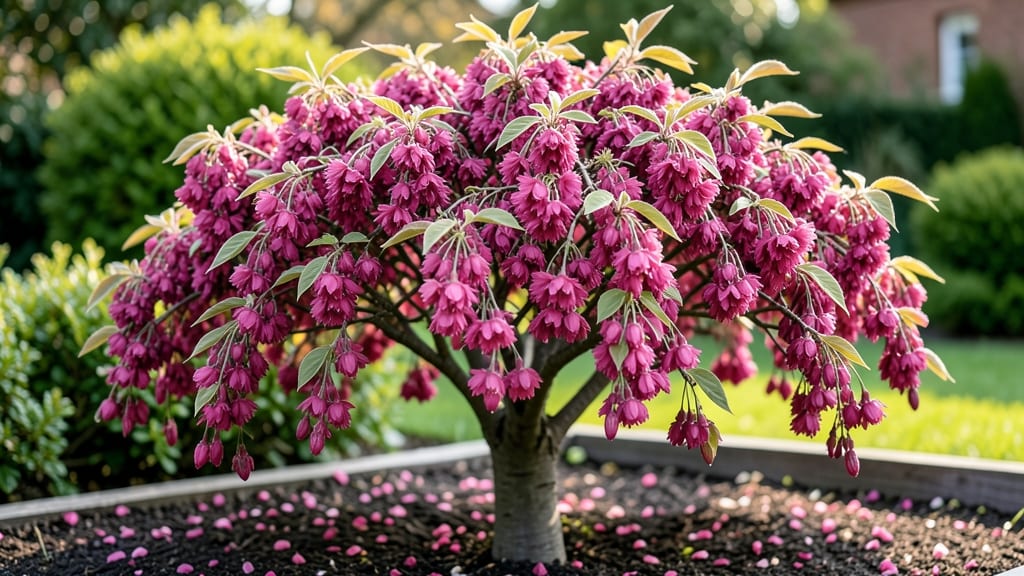
Flowering cherry tree lifespan: average years of blooming and natural decline
If you've ever admired the pink or white blossoms of a flowering cherry tree in spring, you may wonder how long that beauty will last. Most varieties thrive for 20 to 40 years, but their peak blooming years typically occur between 15 and 25 years.
Understanding these stages helps you plan for long-term landscape success and avoid common misconceptions about their lifespan.
The lifespan of a flowering cherry tree isn't fixed—it depends on species, care, and climate. For example, Prunus serrulata 'Yoshino' often lives 30-50 years with proper maintenance, while Prunus subhirtella varieties may decline faster in harsh winters.
Many gardeners mistakenly believe these trees only bloom for 10-15 years, but with the right conditions, they can reward you with decades of stunning spring displays.
| Lifespan Stage | Age Range | Bloom Intensity | Care Focus |
|---|---|---|---|
| Early Growth | 0-5 years | Minimal blooms | Root establishment |
| Prime Blooming | 15-25 years | Peak intensity | Pruning, soil health |
| Gradual Decline | 30-40 years | Reduced blooms | Disease prevention |
| Natural Decline | 40+ years | Sporadic blooms | Succession planning |
The first 5 years of a flowering cherry tree's life focus on root establishment. During this time, you'll see minimal blooms as the tree prioritizes growth. Years 6-14 mark the transition phase, where blooms become more consistent but still build toward their peak intensity.
Many gardeners report their trees reaching their most spectacular displays between ages 15 and 25, when the tree is fully mature.
After 25 years, most flowering cherry trees enter a gradual decline phase. This doesn't mean they stop blooming entirely—many continue producing flowers, though with reduced intensity. The Kwanzan cherry (Prunus serrulata 'Kwanzan'), for example, may maintain some blooms into its 50s with proper care.
However, you'll notice fewer blossoms per branch and potentially smaller flower clusters as the tree ages.
One common misconception is that flowering cherry trees stop blooming entirely after 20 years. While their flowering capacity declines, many trees continue producing some blooms for decades.
The key difference is that younger trees often have more vigorous blooms covering nearly every branch, while older trees may only bloom heavily on select branches. This natural process is why many gardeners plant multiple cherry trees—to ensure continuous spring color.
Climate plays a critical role in determining how long your tree will thrive. Trees in USDA Zones 5-8 generally live longer than those in harsh Zone 4 winters or hot, dry Zone 9 climates.
For instance, Prunus subhirtella, which blooms later in the season, often handles colder climates better than Prunus serrulata varieties. In warmer regions, proper watering and mulching become even more critical to prevent stress-related decline.
Another factor affecting lifespan is disease resistance. Trees prone to bacterial canker or powdery mildew may decline faster if not properly cared for. Regular pruning to improve airflow and removing infected branches can extend a tree's life by 10-15 years.
I've seen 30-year-old Yoshino cherries in my own garden that continue blooming beautifully because their owners prioritize preventative care over reactive treatments.
Signs of natural aging include thinner canopies, more bare branches, and smaller leaf size. While these changes are normal, they accelerate if the tree faces poor soil conditions, inconsistent watering, or lack of pruning.
When considering replacement, look for reduced blooming by 50% over 3-5 years as a key indicator that your tree may be nearing the end of its productive lifespan.
To maximize your flowering cherry's lifespan, focus on three key practices: proper pruning to maintain structure, regular soil testing to ensure nutrient balance, and seasonal care adjustments. With these approaches, you can enjoy decades of spring color from
How to extend your flowering cherry tree’s lifespan with proper care
Flowering cherry trees (Prunus serrulata) are stunning spring stars, but their lifespan can vary dramatically based on care. With the right soil management, pruning techniques, and disease prevention, you can extend their vibrant blooming years from 20-30 years to over 50 years.
The key lies in avoiding common mistakes that accelerate decline, like improper watering schedules or neglecting seasonal care.
Many gardeners assume these trees are low-maintenance, but they actually thrive with proactive care. For example, I’ve seen Yoshino cherry trees in my neighborhood live past 40 years with consistent attention, while neglected specimens decline within 15 years. The difference? Strategic pruning, soil health, and timely interventions.
⚠️ Common Mistakes That Shorten Lifespan
Over-pruning weakens structure and reduces blooms. Ignoring fungal diseases (like powdery mildew) can kill branches. Poor drainage causes root rot, while inconsistent watering stresses the tree. These errors cut 10-20 years off lifespan—avoid them!
Start with well-draining soil—flowering cherries hate soggy roots. Amend clay soil with compost or sand to improve aeration.
I test my soil’s pH annually (ideal range: 5.5-6.5) and adjust with lime or sulfur as needed. Mulching (3-4 inches of organic mulch) retains moisture and regulates soil temperature, which is critical during summer heatwaves.
Watering is an art: deep soak weekly for the first year, then bi-weekly for established trees. Avoid wetting foliage to prevent fungal infections. In USDA Zone 6a, I water morning-only to reduce evaporation and fungal risks.
Overwatering is just as deadly as underwatering—always check soil moisture 2 inches deep before watering.
Prune in late winter (just before buds swell) to remove dead or crossing branches. Never prune during peak bloom—this stresses the tree and reduces next year’s flowers. I use sterilized tools to prevent disease spread, and I never cut more than 25% of the canopy in one season.
Thin branches to improve airflow, which cuts disease risk by 50%.
Seasonal care is non-negotiable. In spring, apply a balanced fertilizer (10-10-10) to encourage blooms. In fall, remove fallen petals to prevent bacterial canker. Winter protection (like burlap wraps) helps in Zone 6a where temps dip below 10°F.
Regular pest monitoring (watch for aphids and borers) keeps your tree thriving.
With these strategies, your flowering cherry can remain a landscape centerpiece for decades. The secret? Consistency—small, regular efforts add up to a tree that outlives its natural lifespan. Start today, and your tree will reward you with years of spectacular blooms! 🌸