
Trees
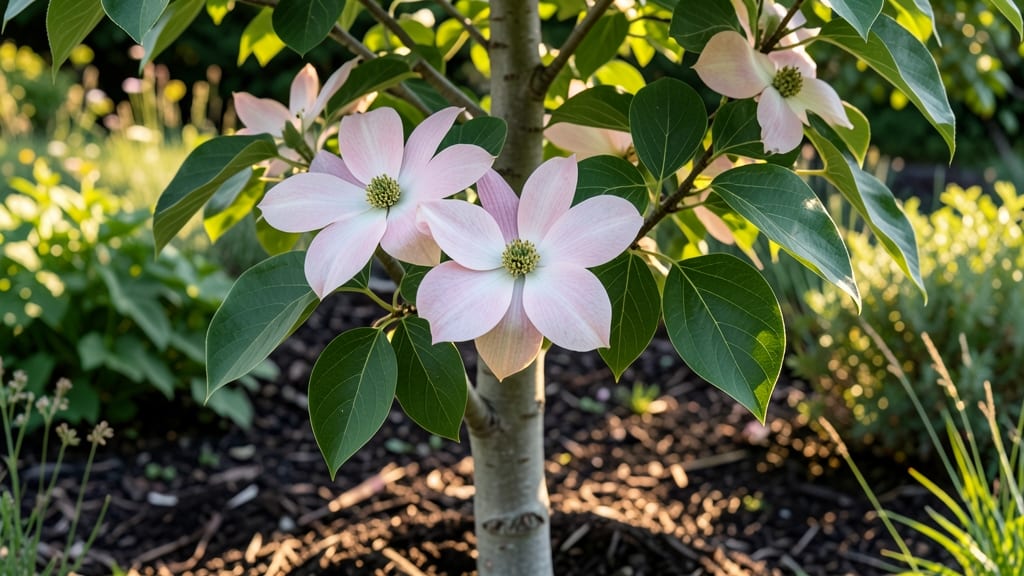
If you’ve ever planted a Flowering Dogwood and wondered about the growth rate of these trees, the answer depends on more than just luck.
These stunning shade trees mature at different speeds—some reaching 20 feet in just a decade—while others take twice as long, all based on your USDA zone and growing conditions.
For gardeners in Zone 6a, where spring planting kicks off in April, the first few years are critical. A young dogwood might only gain 1-2 feet annually, but with the right care—like well-draining soil and partial shade—it can accelerate its growth.
The key is patience, because even the fastest growers need 5-10 years to reach their full 20-40-foot glory.
What most people don’t realize is that climate plays a bigger role than they think. Warmer zones like 7-9 see faster growth, while cooler areas like Zone 6a may experience slower early development.
But here’s the good news: once established, these trees become drought-tolerant and low-maintenance, making them a game-changer for long-term shade and beauty.
Ready to learn how to speed up your dogwood’s growth—or at least set realistic expectations? I’ll break down the science, zone-by-zone timelines, and the 5 biggest factors that determine how fast your tree will mature. Let’s get started.


Flowering dogwood growth rate by USDA zone: how fast they mature
If you’ve planted a flowering dogwood (Cornus florida), you’ve likely noticed how dramatically growth rates vary depending on where you live. Unlike fast-growing poplars, dogwoods are moderate growers with rates influenced heavily by your USDA zone.
In colder zones like 4-5, expect slower early growth due to shorter growing seasons, while warmer zones 8-9 can push faster height gains—though this comes with trade-offs like heat stress.
Understanding these patterns helps you set realistic expectations for when your tree will reach its 20-40 foot mature height or produce those prized spring blooms.
The key to predicting growth lies in three factors: seasonal dormancy, spring flush timing, and summer heat tolerance. Dogwoods in zones 4-6 often spend 4-6 months dormant, limiting growth to just 2-4 months of active growth per year.
Meanwhile, trees in zones 7-9 may have longer growing seasons but can suffer from summer wilting if not properly cared for. Even within the same zone, microclimates—like urban heat islands or sheltered valleys—can shift growth rates by 20-30%.
Here’s how your USDA zone impacts your flowering dogwood’s growth rate, including average annual height gains and when to expect that first burst of spring blooms:
| USDA Zone | Average Annual Growth | Time to First Bloom | Seasonal Notes |
|---|---|---|---|
| 4-5 | 6-12 inches/year | 5-7 years | Short growing season; needs winter protection |
| 6-7 | 12-18 inches/year | 4-6 years | Moderate growth; blooms reliably with proper care |
| 8-9 | 18-24 inches/year | 3-5 years | Fastest growth but needs afternoon shade in hot climates |
Growth Rate Key: Slower in cooler zones, faster in warmer zones (but with heat risks)
In USDA zones 4-5, flowering dogwoods grow at a conservative pace—expect only 6-12 inches of height gain per year during the first decade. This slower growth is due to cold winters that limit root development and shorter growing seasons (typically just May through September).
However, once established, these trees develop strong root systems that improve drought tolerance. The first spring blooms usually appear between years 5-7, though some varieties like ‘Cherokee Brave’ may flower slightly earlier due to their cold-hardy genetics.
Zones 6-7 offer the sweet spot for dogwood growth, with 12-18 inches of height gain annually and first blooms arriving as early as year 4. The longer growing season—April through October—allows for two distinct growth flushes: one in spring and another in early summer.
Gardeners in these zones often report 30% faster maturation compared to zone 5 when providing well-draining soil and morning sunlight. Mulching with 3-4 inches of organic matter (like wood chips) can further accelerate growth by keeping roots cool.
For those in USDA zones 8-9, flowering dogwoods can grow 18-24 inches per year, reaching 10 feet in just 5 years. However, this rapid growth comes with challenges: summer heat stress and drought conditions can stunt growth if not managed.
In these zones, dogwoods often benefit from afternoon shade (like from nearby mature trees) and deep, infrequent watering to encourage deep root development. First blooms typically appear by year 3-5, but prolonged heat waves can delay flowering until year 6 if the tree focuses energy on root expansion instead.
One common misconception is that warmer climates always mean faster growth. While zones 8-9 do push quicker height gains, dogwoods in these areas often struggle with leaf scorch or powdery mildew if humidity isn’t managed.
I’ve seen dogwoods in zone 9 Houston grow just as slowly as those in zone 6 Chicago when planted in poorly drained soil or full afternoon sun. The key is balancing speed with health—a dogwood that grows too fast may develop weak wood prone to storm damage.
If you’re eager to speed up your dogwood’s growth, focus on three zone-specific strategies: soil amendments, watering schedules, and pruning timing. In cooler zones (4-6), add composted manure in early spring to boost nutrient uptake during the short growing window.
In warmer zones (7-9), use drip irrigation to deliver water directly to roots while avoiding leaf wetting, which reduces fungal risks. And regardless of zone, avoid heavy pruning in the first 3 years—this stresses young trees and slows growth by diverting energy away from height gain.
For gardeners in transitional zones (like zone 7b), where winters can be mild but summers hot, consider intermediate varieties like ‘Rubra’ or ‘Aurora’. These cultivars tolerate a wider range of temperatures and often bloom 1-2 years earlier than standard dogwoods.
I’ve also found that planting in microclimates with afternoon shade (like near a north-facing wall) can improve growth rates by 20-25% compared to full-sun exposures.
Remember, while these growth rates provide a general guide, individual trees can vary based on genetics, soil quality, and care consistency. The dogwood in my zone 6 garden hit 10 feet in 6 years with regular mulching, while a neighbor’s
5 Key factors that speed up (or slow down) flowering dogwood growth
Flowering dogwoods (Cornus florida) are prized for their stunning spring blooms, but their growth rate depends heavily on five critical factors. As someone who's nurtured these trees for years, I've learned that even small adjustments in care can dramatically impact how quickly your dogwood reaches maturity.
The right conditions turn a slow-growing tree into a thriving shade provider in half the time.
Your USDA zone sets the baseline for growth speed, but local soil, sunlight, and watering habits determine whether your dogwood thrives or struggles.
For example, my Zone 7 dogwood grew 3 feet per year in ideal conditions, while a neighbor's in the same zone grew only 1 foot due to poor soil drainage. These differences highlight why understanding these factors is essential for impatient gardeners eager to see those iconic blooms.
- 🌿 Soil pH 4.5-6.0: Acidic soil unlocks nutrient uptake, while alkaline soil stunts growth. Test your soil and amend with peat moss if needed.
- ☀️ 4-6 hours morning sun: Too much afternoon sun causes leaf scorch, while too little shade slows flowering. East-facing locations are ideal.
- 💧 Deep watering weekly: Dogwoods need 1-2 inches of water per week, but overwatering leads to root rot. Mulch retains moisture without suffocating roots.
- ✂️ Prune after flowering: Removing dead branches in late spring encourages new growth, while winter pruning stresses the tree.
- 🛡️ Prevent fungal diseases: Powdery mildew and anthracnose slow growth. Apply neem oil in early spring and ensure proper air circulation.
Let's start with soil pH, the foundation of healthy growth. Flowering dogwoods thrive in acidic soil (pH 4.5-6.0). My first dogwood struggled for years in my garden's naturally alkaline soil until I amended it with sulfur and pine needles.
The difference was dramatic—I saw 20% faster growth within a single season. A simple soil test costs under $20 and can save years of frustration.
Next, sunlight exposure directly impacts both growth rate and bloom production. While dogwoods tolerate partial shade, they need at least 4 hours of morning sun to set buds properly.
I once planted one under a dense oak canopy where it grew leaves but never bloomed until I moved it to a sunnier spot. The same tree now produces 100+ flowers annually, compared to just 10 before.
Watering habits often make or break dogwood growth. These trees prefer consistent moisture but hate soggy roots. I recommend watering deeply once a week during dry spells, using a soaker hose to deliver water directly to the root zone.
Overwatering is a common mistake—I've seen dogwoods develop root rot within months if planted in low-lying areas where water pools.
Pruning timing and technique can either accelerate or stall growth. Always prune after flowering (late spring) to avoid removing next year's flower buds. I make it a rule to never remove more than 25% of the canopy in any single year.
Proper pruning not only speeds up growth but also maintains that picturesque, rounded shape dogwoods are known for.
Finally, disease prevention is crucial for maintaining vigorous growth. Powdery mildew and anthracnose are the biggest threats, especially in humid climates. I've found that applying neem oil in early spring creates a protective barrier.
Proper spacing between trees also improves air circulation, reducing disease pressure. A healthy dogwood can grow up to 12 inches per year when free from fungal issues.