
Blooming
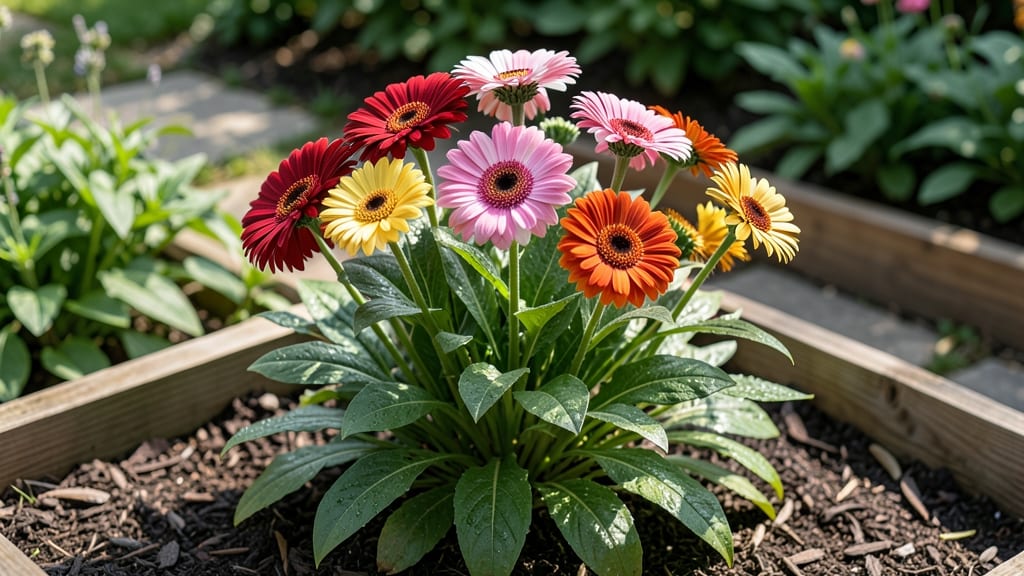
If you're dreaming of a garden bursting with bright gerbera daisy blooms 🌼 but find their flowering season frustratingly short, you're not alone.
These cheerful flowers thrive in spring and summer, but with the right care, you can stretch their show well into fall—or even trick them into blooming earlier!
The key to unlocking longer blooms lies in understanding their natural rhythm. Gerbera daisies love warm days and cool nights, which is why they peak from June to October in most regions.
But by tweaking a few simple factors—like sunlight exposure, soil nutrition, and deadheading—you can turn their seasonal performance into a year-round spectacle.
Let me show you exactly how to time your plantings, feed them for maximum blooms, and keep those vibrant petals coming back stronger than ever. Whether you're a beginner or a seasoned gardener, these practical tips will help you enjoy gerbera daisies for months longer than you ever thought possible.
Ready to transform your garden into a nonstop parade of color? The secret starts with knowing when—and how—to coax those buds into opening right on schedule.
Gerbera daisy flowering season: natural timeline & climate dependencies
Gerbera daisies thrive on predictable seasonal cues, but their flowering windows vary dramatically based on your climate zone. In temperate regions like USDA Zones 8-10, they bloom from late spring through fall, while tropical zones enjoy year-round color.
Understanding these patterns helps you align planting with nature's schedule for maximum blooms.
Daylight hours are the primary trigger for gerbera daisy flowering. These plants need 10-12 hours of light daily to initiate buds, which explains why they peak in summer when days are longest.
Temperature also plays a role—ideal blooming occurs between 60°F and 75°F, with cooler nights (50°F) preventing bud drop.
Your local climate dictates planting windows. In cooler regions (Zones 6-7), start seeds 6-8 weeks before last frost (typically March-April) for summer blooms. Warmer climates (Zones 9-11) can plant year-round, with spring and fall yielding the most vibrant flowers.
Regional variations matter. Pacific Northwest gardeners get June-October blooms, while Southern gardeners enjoy April-November displays. Even within states, elevation changes flowering dates—mountain gerberas bloom 2-4 weeks later than valley plants.
| Climate Zone | Natural Blooming Window | Optimal Planting Time | Key Temperature Trigger |
|---|---|---|---|
| Temperate (Zones 6-7) | June - October | March-April (after frost) | 60°F-75°F daytime |
| Warm Coastal (Zones 8-9) | April - November | Year-round (spring/fall best) | 70°F-80°F consistent |
| Tropical (Zones 10-11) | Year-round | Any season (avoid frost) | 75°F-85°F steady |
| Mountain Regions | July - September | May-June (high elevation) | 55°F-70°F cooler nights |
Light deprivation can delay blooming. If your gerberas receive less than 6 hours of sun, they'll focus on foliage growth instead of flowers. Use reflective surfaces (like white walls) or grow lights to supplement light during cloudy periods in spring and fall.
Soil temperature affects root development. For optimal flowering, keep soil between 60°F-70°F. In cooler climates, use black plastic mulch to warm roots 2-3 weeks before planting. This simple trick can advance your first blooms by 3-4 weeks.
Watch for seasonal color shifts. Gerberas planted in late summer often produce smaller blooms due to shorter daylight. To maintain vibrant colors year-round, stagger plantings every 4-6 weeks—this creates a continuous bloom cycle.
Indoor gerberas have different triggers. Place them near south-facing windows for maximum light exposure, or use 14-hour grow lights daily. Without proper light, indoor plants may bloom only once before reverting to leaf growth.
Remember: Deadheading spent blooms extends the season by 30-50%. Remove faded flowers weekly to redirect energy to new buds. This works especially well in temperate climates where seasons are distinct.
5 Proven techniques to extend gerbera daisy flowering season
Gerbera daisies naturally bloom from June to October in most climates, but with the right techniques, you can push those vibrant blooms into spring or even late fall. The key is understanding how to manipulate their natural triggers—light exposure, temperature shifts, and nutrient timing.
By mastering these five methods, you'll transform your garden into a year-round rainbow of color without sacrificing plant health.
One of the simplest ways to extend blooming is through strategic pruning. Unlike many flowers, gerbera daisies respond well to light pruning, which encourages new growth and more buds. When you remove spent blooms, you're not just cleaning up—you're signaling the plant to produce more flowers.
Pair this with the right fertilizer schedule, and you'll see a dramatic difference in both quantity and duration of blooms.
-
1. Strategic Pruning Schedule
Deadhead daily in bloom season; prune back by 1/3 in late summer to encourage fall reblooming. -
2. Light Manipulation
Use grow lights (12-14 hrs/day) in short-day seasons to trigger blooming; supplement natural light with reflective surfaces. -
3. Phosphorus Boost
Apply 5-10-10 fertilizer every 4-6 weeks during active growth; switch to high-phosphorus (10-20-10) when buds form. -
4. Seasonal Transition Prep
Move potted plants to protected outdoor spots in fall; use frost blankets for 2-3°F protection to extend outdoor season. -
5. Indoor Light Tricks
Rotate plants weekly for even light exposure; place near south-facing windows with supplemental LED grow lights.
Let's start with the most impactful technique: strategic pruning. Most gardeners make the mistake of waiting until flowers are completely dead to prune, but gerbera daisies respond best to immediate deadheading. As soon as a bloom fades, snip it off just above the next set of leaves.
This removes the energy drain from the spent flower and redirects it to new bud formation. For maximum results, prune in the morning hours when the plant is fully hydrated.
Another game-changer is light manipulation. Gerbera daisies are short-day plants, meaning they bloom in response to decreasing daylight. In regions with long summer days, you can trick them into blooming earlier by providing supplemental light in the evenings.
A simple LED grow light on a timer for 2-3 hours after sunset can make a surprising difference. For indoor plants, rotate them weekly to ensure even light exposure—this prevents lopsided growth and encourages more uniform blooming.
Don't underestimate the power of phosphorus-rich fertilizers during the blooming season. While balanced fertilizers work well, switch to a high-phosphorus formula (10-20-10) when you notice buds forming.
Phosphorus is the key nutrient for flower development, and it helps the plant produce stronger stems that support those vibrant blooms for longer periods.
Apply this fertilizer every 4-6 weeks during the active growing season, but avoid over-fertilizing in late summer as it can lead to excessive foliage growth at the expense of flowers.
For gardeners in cooler climates, seasonal transition prep is crucial. As temperatures drop in fall, move potted gerbera daisies to protected outdoor spots where they can still receive sunlight but avoid early frosts. Use frost blankets or row covers to extend their outdoor season by 2-3 weeks.
If you're bringing them indoors, gradually acclimate them to lower light conditions over 7-10 days to prevent shock. This transition period helps maintain their blooming cycle longer than a sudden move would.
Finally, indoor gardeners can maximize blooming with smart light positioning. Place your gerbera daisies near a south-facing window where they'll receive the most sunlight. If natural light is insufficient, supplement with full-spectrum LED grow lights for 12-14 hours per day.
Remember to keep the lights 6-12 inches above the plants to prevent overheating. With these light tricks, you can enjoy gerbera daisies indoors for up to 6 months of the year!