
Vegetables
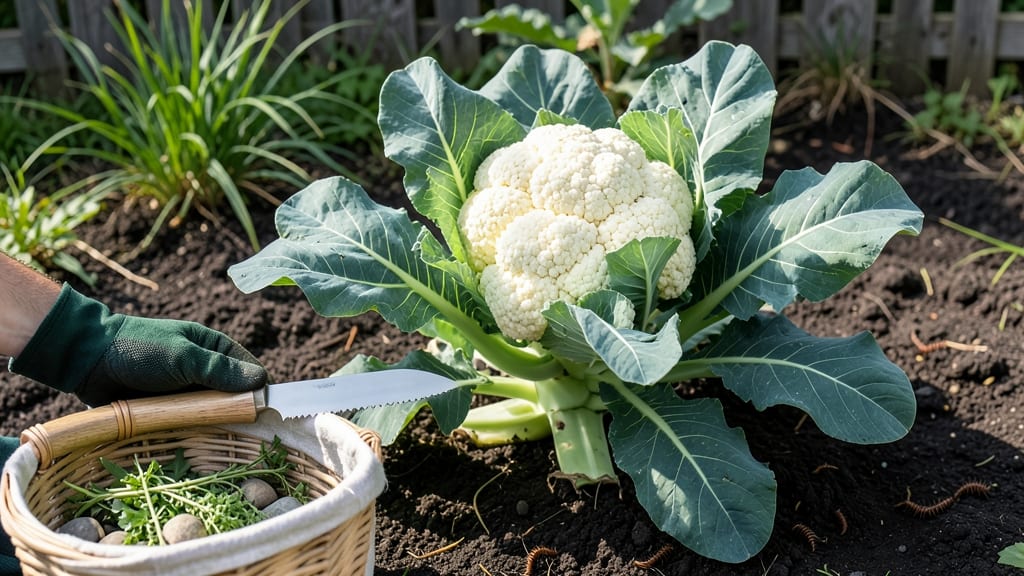
Timing your harvest time for cauliflower wrong can turn that beautiful 🥬 head into a bitter, loose disappointment—but get it right, and you’re rewarded with crisp, flavorful curds that taste like summer in every bite.
The key? Watching for those firm, golf-ball-sized curds that signal peak perfection, usually between 70-100 days after planting in Zone 6.
Most gardeners in cooler climates like mine start planting in February-March, giving those curds just enough time to mature by June-August—but heat waves or late frosts can throw off your schedule.
That’s why knowing the signs—firmness, tight buds, and vibrant green leaves—isn’t just helpful; it’s essential to avoid the heartbreak of bolting or overripe florets.
In this guide, I’ll walk you through exactly what to look for when your cauliflower is ready, how to adjust for your region, and even how to extend your harvest season with a few simple tricks.
Whether you’re a first-time gardener or a seasoned grower, these tips will ensure your 🥬 stays fresh, flavorful, and ready for the table.
Ready to turn your garden into a cauliflower goldmine? Let’s dive into the secrets of harvesting at the perfect moment—before the window closes for good.

How to identify the perfect cauliflower harvest time by curd size
Harvesting cauliflower at the right moment transforms your garden into a flavor factory. The key lies in the curd size, which should resemble a golf ball (6-8 inches in diameter) for most varieties.
When you spot that tight, compact head, it’s time to act—because waiting just a few days can turn your prize into a bitter, loose mess. I’ve learned the hard way that patience isn’t always a virtue when it comes to cauliflower!
Beyond size, pay attention to the color of the curd. Ideal heads are a vibrant white or pale green, depending on the variety. If you notice yellowing or browning, it’s a clear sign the head is overripe and past its prime.
The outer leaves should also remain green and healthy, not wilted or yellowing. These visual cues are your best friends in determining the perfect harvest window.
Now, let’s talk about the seasonal timing variations. In cooler climates like USDA Zone 6, cauliflower typically reaches harvest size between June and August, about 70-100 days after planting.
However, in warmer regions, you might need to plant in fall for a winter harvest or use shade cloth to prevent bolting. Timing is everything, so adjust your planting schedule based on your local climate.
| Curd Size | Color | Leaf Condition | Harvest Time |
|---|---|---|---|
| 6-8 inches (golf ball size) | White or pale green | Green and healthy | June-August (cool climates) |
| Smaller than 6 inches | Green or underdeveloped | Wilted or yellowing | Not ready; wait 1-2 weeks |
| Larger than 8 inches | Yellow or brown | Dry or brittle | Overripe; harvest immediately |
🌱 Pro Tip: Always harvest on a cool, cloudy day to prevent stress on the plant.
One of the biggest mistakes I’ve seen gardeners make is ignoring the leaf wrapping around the curd. Healthy leaves should snugly cover the head, protecting it from sun exposure. If the leaves start to yellow or pull away, it’s a sign the head is either overripe or struggling.
In my garden, I’ve found that gently tying the leaves together with a twist tie can help maintain that protective blanket and encourage a tighter curd.
For those growing dwarf varieties, the harvest window might be slightly earlier—around 50-60 days—but the same rules apply. Always check the seed packet for variety-specific guidance, as some cauliflowers are bred for earlier or later harvests.
For example, ‘Snowball Y Improved’ typically matures faster than ‘Romanesco’, which has a more intricate, fractal-like head.
If you’re growing cauliflower in containers or pots, keep an eye on the root system. Overcrowded roots can stunt growth, so ensure your container is at least 12 inches deep and wide enough to accommodate the mature plant.
In my urban garden, I’ve had success with self-watering pots to maintain consistent moisture, which is critical for preventing bitter flavors and loose curds.
Don’t forget about weather conditions—cauliflower hates heat and drought. If temperatures soar above 85°F, the plant may bolt (send up a flower stalk), ruining your harvest. To combat this, I’ve started using shade cloth during the hottest part of the day, especially in summer plantings
This simple trick has saved more than one harvest for me! When the time comes to harvest, use a sharp knife or pruning shears to cut the head about 1 inch below the curd. Avoid pulling or twisting, as this can damage the plant and reduce future yields. After harvesting, I like to blanch the curds for a few minutes in boiling water to preserve their color and texture before storing them in the fridge for up to a week. Finally, if you’re lucky enough to have multiple heads on one plant, prioritize harvesting the largest, most mature curds first. This allows the smaller heads to continue growing without competition. In my experience, a well-timed harvest can extend your cauliflower season by 2-3 weeks, giving you plenty of time to enjoy fresh, homegrown curds straight from your garden.
Common mistakes that ruin cauliflower harvests (and how to avoid them)
Even the most carefully cultivated cauliflower can turn into a disappointing harvest if you miss key details during the final stages. Overwatering, heat stress, and improper cutting are silent killers that transform crisp curds into bitter, loose messes.
I’ve seen perfectly healthy plants ruined by simple oversights—let’s fix that.
One of the biggest mistakes is assuming that bigger always means better. Oversized cauliflower heads often become tough and woody because the plant diverts energy to seed production. Even worse, overwatering before harvest dilutes flavor and causes the curds to split open, making them inedible. Balance is everything!
⚠️ callout-warning
- Overwatering: Soggy soil before harvest causes curds to split and rot.
- Heat stress: Temperatures above 85°F trigger bolting (flower stalk growth).
- Improper cutting: Using dull shears or cutting too close to the stem leaves wounds that invite pests.
Fix it: Water deeply 3 days before harvest, shade plants in heatwaves, and use a sharp knife to cut 1 inch below the curd.
Heat stress is another sneaky culprit. When temperatures climb above 85°F, cauliflower plants bolt—sending up a bitter-tasting flower stalk instead of forming curds. I’ve lost entire harvests to sudden heatwaves, but shade cloth or afternoon shade from nearby plants can save the day.
Even a simple row cover works in a pinch!
Pests like cabbage worms and aphids also wreak havoc right before harvest. These critters chew through tender leaves and burrow into curds, leaving behind slime trails and holes. Neem oil or handpicking larvae daily can prevent disaster.
I swear by checking plants every morning—it takes 10 minutes but saves hours of regret later.
Finally, the way you cut cauliflower matters more than you’d think. Dull shears crush the stems, inviting rot, while cutting too close to the base leaves ugly scars. Always use a sharp knife and leave 1 inch of stem attached.
Pro tip: Harvest on a dry morning so the curd stays intact while you prep it for storage.
Don’t let these mistakes turn your hard work into compost. With the right timing, watering, and cutting techniques, you’ll enjoy crisp, flavorful heads every time—no bitter surprises included! 🥬