
Size
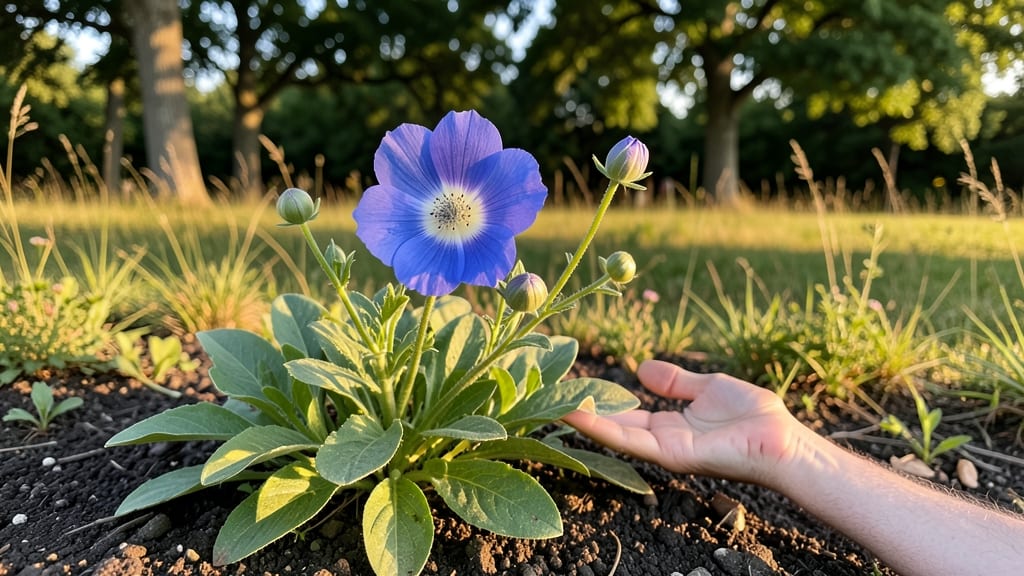
Wondering how big your Balloon Flower 🌸 will grow before you commit to planting? These charming perennials can reach heights of 2 to 3 feet—taller than you might expect for such delicate blooms—and their spread is equally impressive, making them a standout in any garden bed.
If you're planning your garden layout, knowing the mature size of Balloon Flowers is key to avoiding overcrowding or wasted space. Whether you're working with a small container or a spacious backyard, their height and spread vary slightly by variety, so choosing the right type for your space matters.
What's even better? These hardy plants thrive in USDA Zone 6a and beyond, returning year after year with minimal care. With the right growing conditions—like well-draining soil and full sun—they’ll reward you with vibrant blooms that last from June through August.
Ready to learn how to keep them looking their best while maximizing your garden’s potential? Let’s dive into the details so you can grow Balloon Flowers that fit perfectly in your space.
Balloon flower mature size by variety: height and spread guide
Balloon flowers (Platycodon grandiflorus) are a gardener’s dream—easy to grow, drought-tolerant, and packed with vibrant blooms that resemble tiny balloons. But before you plant, knowing their mature size helps you plan your garden layout.
These perennials vary dramatically in height, from compact dwarf varieties to towering giants, all while maintaining a moderate spread of 12-24 inches. Whether you're designing a border garden or a container display, understanding these dimensions ensures your plants thrive without overcrowding.
Most balloon flower varieties reach their full height within 2-3 years after planting. In their first year, expect 1-2 feet of growth, while mature plants can stretch up to 3 feet tall, depending on the cultivar.
The spread width remains relatively consistent across varieties, typically 12-24 inches, making them ideal for small spaces or mixed borders. Let’s break down the most popular types so you can choose the perfect fit for your garden.
🌸 Variety-Specific Sizing is key to avoiding overcrowding. Dwarf varieties like 'Little Bell' stay under 1.5 feet, while giants like 'Grandiflorus' can reach 3 feet. Even small differences in height can impact your garden’s visual balance. For example, pairing tall balloon flowers with low-growing perennials creates a stunning layered effect. Always check the spread measurements too—some varieties spread wider than others, which affects how many plants you can fit in a 1-square-foot area.
| Variety | Height Range | Spread | Best For |
|---|---|---|---|
| 'Little Bell' | 12-18 inches | 12-18 inches | Containers, rock gardens |
| 'Grandiflorus' | 24-36 inches | 18-24 inches | Back borders, cottage gardens |
| 'Astra Blue' | 18-24 inches | 12-18 inches | Mixed borders, pollinator gardens |
| 'White Pearl' | 20-28 inches | 18-24 inches | Cut flower arrangements |
| 'Fuji Blue' | 18-24 inches | 12-18 inches | Urban gardens, small yards |
When planning your garden, spread is just as important as height. While balloon flowers rarely exceed 2 feet in width, their clumping habit means they’ll gradually fill their space over time.
For container gardening, dwarf varieties like 'Little Bell' thrive in 10-inch pots, while taller types need 14-inch containers to accommodate their roots. In ground beds, space plants 12-18 inches apart to prevent competition for nutrients and sunlight.
If you’re growing balloon flowers in USDA Zones 3-8, their size remains consistent year after year. However, in warmer climates (Zones 9-10), they may grow slightly taller due to extended growing seasons. To keep them compact and bushy, pinch back the stems by one-third in early spring.
This encourages more lateral growth and prevents them from becoming leggy. Regular deadheading also helps maintain their shape and promotes continuous blooming.
For small gardens or urban spaces, consider cascade varieties like 'Fuji Blue', which spill beautifully over hanging baskets or window boxes. Their 18-inch height and 12-inch spread make them perfect for adding color to vertical gardens.
Pair them with trailing plants like nasturtiums or petunias for a dynamic display. In larger gardens, taller varieties like 'Grandiflorus' make a striking backdrop for perennials like black-eyed Susans or coneflowers.
One common mistake is assuming all balloon flowers have the same size. Giant varieties can easily outgrow their space if not monitored, while dwarf types may look lost in a sea of taller plants. To avoid this, group plants by height in your garden beds.
For example, place 18-inch varieties together in the middle of a border and taller types at the back. This creates a natural tiered effect
How to control balloon flower growth for small gardens
Balloon flowers (Platycodon grandiflorus) are stunning perennials that can reach 2 to 3 feet tall at maturity, but their spread is often underestimated. In small gardens, their clumping habit and vigorous roots can quickly fill space if left unchecked.
The good news? With the right techniques, you can keep them compact while still enjoying their vibrant blooms from mid-summer to fall.
One of the easiest ways to manage their growth is through proper spacing at planting. Since balloon flowers spread 1 to 2 feet wide, giving them 12 to 18 inches of space between plants prevents overcrowding.
This simple step reduces competition for nutrients and sunlight, which naturally limits leggy growth. For container gardens, choose dwarf varieties like 'Little Bell' that stay under 1.5 feet tall.
Regular deadheading is another game-changer. Removing spent blooms encourages the plant to focus energy on producing more flowers rather than elongating stems. Pinch back 1/3 of the plant height in early summer to promote bushier growth.
This technique works especially well for standard varieties that tend to grow taller. Just avoid cutting into old wood, as balloon flowers bloom on new growth.
Staking is often overlooked but crucial for preventing flopping in taller varieties. Use bamboo stakes or decorative garden supports inserted at planting time. This not only keeps plants upright but also encourages stronger stems by preventing them from bending under their own weight.
For container-grown plants, choose pots with 10+ inch diameters to accommodate their root systems without restricting growth.
Seasonal adjustments play a key role in managing size. After the first frost in fall, cut back foliage to 6 inches tall to reduce winter dieback and promote healthier regrowth in spring.
Avoid heavy pruning in late summer, as this can delay flowering for next season. Instead, focus on light trimming to maintain shape and encourage compact growth.
For extra-compact growth, try container gardening with well-draining soil mixed with compost and perlite. This combination provides nutrients while preventing root-bound conditions. Water consistently—1 inch per week—but avoid overwatering, which can lead to leggy, weak stems.
Mulching with 2-3 inches of organic mulch helps regulate soil temperature and moisture, further supporting controlled growth.
With these techniques, you can enjoy blooming balloon flowers in even the smallest gardens. Their delicate flowers and low-maintenance nature make them a perfect fit for borders, containers, or cottage-style gardens.
Just remember: prune early, stake when needed, and space wisely to keep them in check without sacrificing their charm. 🌸