
Planting
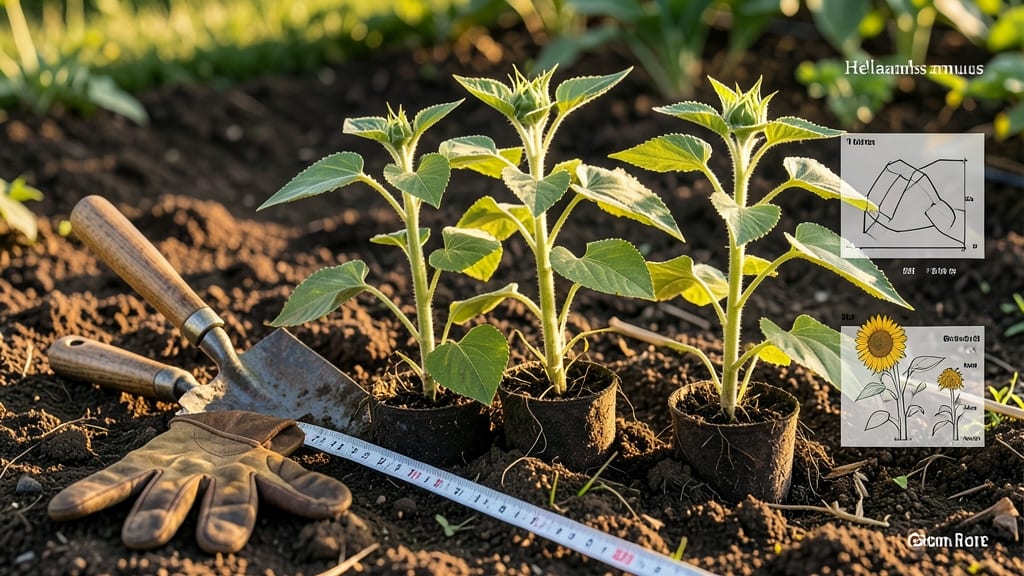
Planting sunflowers too close can turn your towering 🌻 dreams into a tangled mess of stunted stalks—unless you know the exact spacing that makes all the difference.
That 6-inch gap between seeds isn’t just a suggestion; it’s the secret to letting your sunflowers drink up sunlight, flex their roots, and reach for the sky without competing for every drop of water.
I’ve watched 10-foot giants snap under wind pressure because they were packed too tight, and seen compact varieties like 'Teddy Bear' thrive in cozy clusters.
The right spacing isn’t just about avoiding overcrowding—it’s about giving each plant room to grow into its full potential, whether you’re aiming for giant blooms or a cheerful border.
In this guide, I’ll break down the ideal distances for every sunflower type, from dwarf to mammoth, and share the 3 spacing mistakes that sabotage even the most eager gardeners.
You’ll learn how to maximize your plot, whether you’ve got 2 square feet or a full backyard, without sacrificing height or harvest.
Ready to turn your sunflowers from scrappy survivors into sun-drenched showstoppers? Let’s dig into the spacing secrets that’ll have your neighbors asking, “How’d you get them so tall?”

Optimal sunflower spacing by variety: giant stalks vs. compact clusters
Sunflowers aren’t one-size-fits-all when it comes to spacing. The Mammoth variety can reach 12-16 feet, while Teddy Bear sunflowers max out at 2-3 feet. Planting them too close stunts growth, blocks sunlight, and invites powdery mildew—a common fungal issue.
Proper spacing ensures each plant gets the 6+ hours of sunlight it craves and room to develop strong, wind-resistant stalks.
For tall varieties, spacing is all about preventing stalks from leaning or snapping in storms. Dwarf varieties, on the other hand, thrive in tighter clusters, making them perfect for container gardens or border plantings.
The key? Adjust spacing based on mature height and soil depth—shallow roots need wider berths to avoid competition.
Here’s the golden rule: Plant sunflowers 6-12 inches apart within rows, but double that distance between rows. This creates airflow, reducing humidity around leaves and cutting down on disease risks.
For example, a Mammoth sunflower planted 18 inches apart in rows 3 feet apart will have the space it needs to grow straight and sturdy.
Soil depth matters too. Sunflowers have taproots that grow 3-4 feet deep, so avoid planting in shallow containers or compacted soil. Loosen the soil to 12 inches deep before planting to give those roots room to stretch.
In poor-draining soil, raise beds or add compost to prevent root rot.
Sunlight exposure is another critical factor. Sunflowers need full sun to produce their signature bright yellow blooms. If you plant them too closely, the inner stalks will stretch toward the light, creating weak, leggy plants.
For example, a Teddy Bear sunflower in a 5-gallon pot can handle 6-inch spacing, but the same variety in a raised bed needs 12 inches to avoid shading neighbors.
Disease prevention starts with spacing. Powdery mildew thrives in humid, crowded conditions. By giving each plant 18+ inches of space, you improve airflow and reduce leaf moisture, which is where fungi love to take hold.
I’ve seen Mammoth sunflowers in tight rows develop mildew within weeks—simply because the leaves touched between plants.
For wind-prone areas, wider spacing is a must. A 12-foot stalk with 18-inch spacing will sway but won’t topple over. If you’re growing sunflowers near a fence or trellis, plant them 24 inches apart to give them support without overcrowding.
In urban gardens, use container spacing—place pots 12 inches apart for dwarf varieties to mimic in-ground conditions.
Pro tip: If you’re short on space, try succession planting. Plant a second row of dwarf sunflowers 4-6 weeks after the first batch. This way, you get two harvests in the same footprint without sacrificing stalk strength.
Just be sure to thin seedlings to the correct spacing once they’re 4-6 inches tall.
Finally, don’t
Common sunflower spacing mistakes that stunt growth (and how to fix them)
Even the hardiest sunflower varieties can turn into stunted, weak stalks if you don’t nail the spacing. I’ve seen 12-foot giants reduced to 6-foot shrubs because of one simple mistake: packing them too tight.
The good news? Most spacing errors are easy to fix with a little planning—and a few simple adjustments.
Here’s the truth: Sunflowers need room to stretch their roots and soak up sunlight. When they’re crowded, they compete for nutrients, leaving you with smaller blooms and thinner stems.
But the fix isn’t just about pulling plants apart—it’s about understanding why spacing matters and how to optimize it for your garden’s unique conditions.
⚠️ The #1 Spacing Mistake: Planting Sunflowers Too Close
Problem: Most gardeners assume "6 inches apart" means any 6-inch gap will work—but uneven spacing creates weak spots where wind or pests can attack. Overcrowding also leads to fungal diseases from poor airflow.
Fix: Use a grid system (e.g., 6" x 24" for standard varieties) and measure from the center of each plant. For tall varieties, space rows 3 feet apart to prevent stalks from leaning into each other.
Pro Tip: If you’re short on space, interplant with shallow-rooted crops like lettuce or radishes until sunflowers mature.
Another hidden issue is ignoring wind exposure. Tall sunflowers act like sails in a breeze, and if they’re planted too close, their stalks can rub together, creating abrasions that invite rot.
I once lost half my 'Russian Giant' sunflowers because I didn’t account for our afternoon winds—a simple windbreak or staking would’ve saved them.
For compact varieties like 'Teddy Bear,' the mistake is often over-spreading. These sunflowers thrive in clusters of 3-4 plants within a 12-inch radius, but gardeners sometimes give them the same space as giants.
The result? Wasted space and underwhelming blooms. Match your spacing to the mature width of the variety—check the seed packet for exact measurements.
Companion planting can also backfire if you don’t plan ahead. For example, pairing sunflowers with corn might seem smart (they’re both tall!), but their root competition can stunt both crops.
Instead, try bush beans or marigolds—they deter pests without stealing resources. Always research root depth and growth habits before mixing plants.
Finally, skipping soil prep turns spacing into a moot point. Even with perfect distances, poor soil means sunflowers can’t access nutrients. Amend your soil with compost before planting, and mulch around the base to retain moisture.
This small step ensures your sunflowers focus energy on growth instead of struggling to survive.