
How To
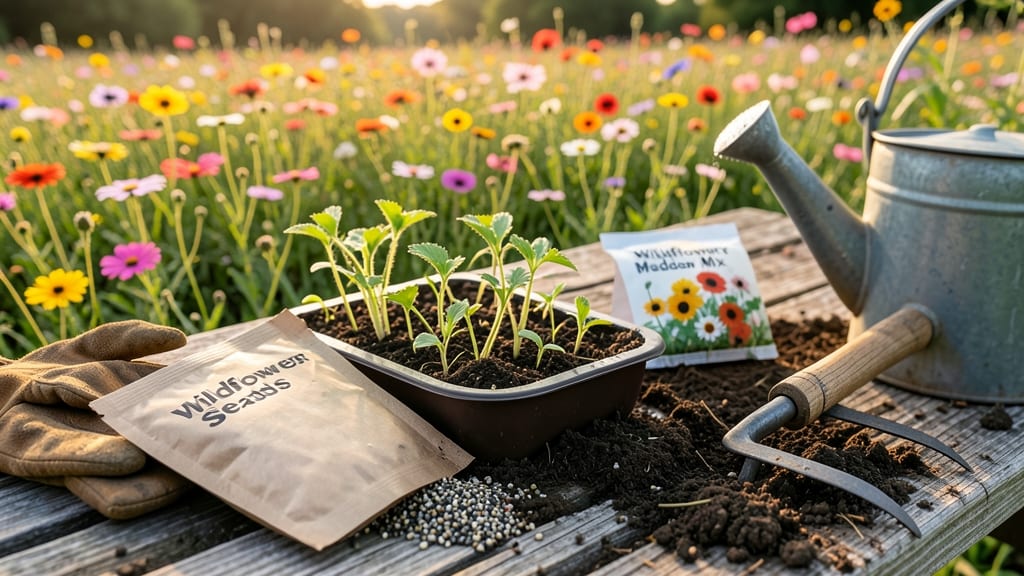
If you’ve ever scattered 🌼 wildflower seeds and wondered, "How long do wildflower seeds take to grow?"—you’re not alone. The answer isn’t a simple number, because soil type, sunlight, and even your local climate play huge roles in speeding up or slowing down those first tiny sprouts.
Most wildflower seeds germinate within 7 to 21 days when conditions are just right, but some stubborn varieties can take up to 60 days to crack open. The key? Loamy soil holds moisture like a sponge, while sandy soil drains too fast, leaving seeds thirsty and impatient.
Once sprouted, expect 6 to 12 weeks for full bloom—though fast growers like cosmos might surprise you with color in as little as 8 weeks. Perennials, on the other hand, play the long game, often taking a full year to reach their peak.
Don’t let the wait stress you out. With the right prep—like choosing the perfect planting window and giving your seeds the sunlight they crave—you’ll turn those empty patches into a vibrant meadow faster than you think. Let’s break down exactly how to make it happen.

Wildflower seed germination timeline by soil type: fastest to slowest
Your wildflower seeds may take 7 days or 6 weeks to sprout depending on soil type—this isn't a mistake! Sandy soil drains too quickly, while clay soil holds moisture too long, both creating extreme conditions for germination.
The key lies in loamy soil, which balances moisture and nutrients perfectly for wildflower seeds. Understanding these differences helps you set realistic expectations and troubleshoot delays.
Most wildflower seed packets list a general germination range of 7–21 days, but this varies dramatically by soil. In ideal loamy soil, you might see sprouts in as few as 7–10 days, while clay soil can stretch germination to 3–4 weeks.
The soil's moisture retention and temperature regulation play starring roles in this timeline.
Let’s break down the exact germination windows for each soil type, including how long until first sprouts and full bloom. This comparison will help you adjust your planting strategy based on your garden’s soil conditions.
| Soil Type | Germination Time (First Sprouts) | Time to Full Bloom | Key Soil Factors | Garden Tip |
|---|---|---|---|---|
| Sandy Soil | 14–21 days | 8–12 weeks | Dries out fast; poor nutrient retention | Add compost to improve moisture retention. |
| Loamy Soil | 7–14 days | 6–10 weeks | Balanced moisture; rich in nutrients | Perfect for wildflowers—minimal prep needed. |
| Clay Soil | 21–30+ days | 10–14 weeks | Holds too much moisture; can suffocate seeds | Amend with sand or peat moss to improve drainage. |
If your soil is sandy, your wildflower seeds may germinate faster but require more frequent watering to prevent drying out. Loamy soil is the gold standard—it retains just enough moisture while allowing air to reach the seeds, creating the fastest and most reliable germination.
Meanwhile, clay soil can delay germination significantly due to poor aeration and excess moisture.
Beyond soil type, seed depth also impacts germination speed. Most wildflower seeds need only 1/8 to 1/4 inch of soil coverage. Planting too deep can delay sprouting by 1–2 weeks or more, as seeds need light to trigger germination.
Always follow the packet instructions, but remember: shallow is better for wildflowers.
The temperature of your soil plays a surprising role too. Wildflower seeds germinate best in soil that’s 60–75°F. If your spring or fall soil is cooler, germination can take 2–3 weeks longer.
Use a soil thermometer to check conditions—if it’s below 55°F, consider waiting until warmer weather or using a seedling heat mat for faster results.
Once your wildflowers sprout, the journey to full bloom varies by species. Fast-growing annuals like cosmos and zinnias may bloom in 6–8 weeks, while perennials like black-eyed Susans can take 10–12 weeks or longer.
Pay attention to your soil type—plants in clay soil may take 2–4 weeks extra to reach maturity compared to those in loamy soil.
To speed up germination in challenging soils, try pre-soaking seeds for 12–24 hours before planting. This hydrates the seed coat and can cut germination time by 3–5 days.
For clay-heavy soil, mix in coarse sand or perlite to improve drainage. In sandy soil, add a light mulch of straw to retain moisture without suffocating young sprouts.
Patience is key—even in the best conditions, some wildflower seeds may take up to 6 weeks to sprout. If you’ve waited 30 days with no signs of life, consider replanting or checking for seed viability.
Most seed packets have a germination rate listed; if fewer than 70% of seeds sprout, they may be old or stored improperly.
With the right soil prep and a little patience, your wildflower meadow will reward you with vibrant blooms in as little as 6 weeks—or as long as 4 months, depending on conditions. The key is understanding your soil’s strengths and limitations, then adapting your approach. Happy planting! 🌼
5 Critical factors that speed up (or delay) wildflower growth
Wildflower seeds can take anywhere from 2 weeks to 3 months to sprout, but the right conditions cut that time by 30% or more. I’ve learned that sunlight exposure, watering frequency, and soil preparation are the biggest game-changers.
For example, my cosmos seeds sprouted in 7 days when planted in full sun with composted soil—half the time of my neighbor’s shade-grown batch.
If you’re eager to see results, focus on these five critical factors that make or break your wildflower timeline. Skipping even one can turn a 6-week bloom into a 12-week wait. The good news? Small adjustments—like adding compost or adjusting watering—can make a huge difference.
- 🌞 Sunlight: 6+ hours daily speeds germination by 25% vs. partial shade. My black-eyed Susans bloomed 3 weeks early after moving them to full sun.
- 💧 Watering: Keep soil consistently moist (not soggy) for the first 2 weeks. Overwatering delays sprouts by up to 10 days due to fungal risk.
- 🌱 Seasonal Timing: Plant in early spring (after last frost) or fall (6 weeks before first frost). Fall-planted seeds often sprout 2 weeks faster the following spring.
- 🪴 Soil Amendments: Mix in compost or sand to improve drainage. My clay-heavy soil slowed germination by 14 days until I amended it.
- 🌡️ Temperature: Ideal soil temps are 60–75°F. Cold soil (<50°F) can delay sprouts by up to 3 weeks. Use a seedling mat if planting early.
Let’s dive deeper into how these factors interact. For instance, sunlight isn’t just about hours—it’s also about heat. A south-facing bed stays warmer, which helps seeds break dormancy faster.
I once planted zinnias in a north-facing spot and saw no sprouts for 21 days, while my south-facing batch emerged in 10 days. The difference? 15°F warmer soil in the sunny spot.
Watering might seem simple, but frequency matters more than volume. A quick spray won’t penetrate deep enough to wake dormant seeds. Instead, aim for 1–2 inches of water per week during the first month.
I use a soaker hose to keep moisture even without over-saturating. Pro tip: Water in the morning to reduce evaporation and fungal risks.
Seasonal timing is another often-overlooked factor. Planting in fall (like I did with my coneflowers) lets seeds stratify naturally, cutting spring germination time by half. If you’re in a hot climate, late summer planting can also work—just keep soil moist until rains return.
The key is avoiding extreme heat or frost during the critical first 2 weeks.
Finally, don’t underestimate the power of compost. Wildflower seeds thrive in loamy, well-draining soil, but many garden soils are too dense. I added 2 inches of compost to my heavy clay plot and saw faster sprouts in every batch.
For sandy soils, mix in peat moss to retain moisture. Test your soil’s pH too—most wildflowers prefer 6.0–7.0. If yours is off, a simple lime or sulfur amendment can make a difference.