
Flowers
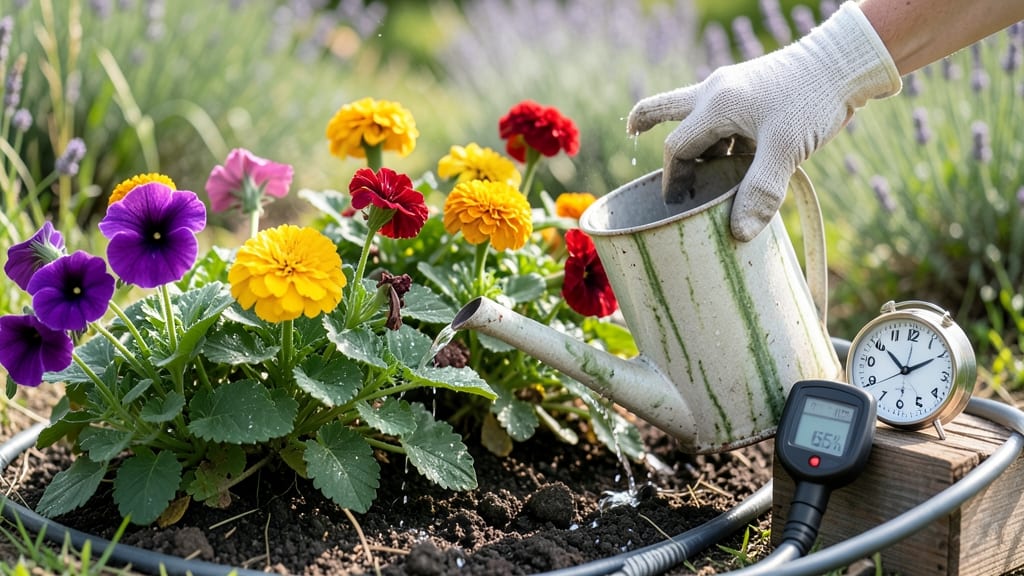
To keep your 🌸 flowers thriving, you might be surprised to learn that how long to water flowers for just 5-10 minutes can make all the difference—too little or too much, and you risk stunted growth or root rot.
The key isn’t just when you water but how long you let it soak in, which changes based on whether your blooms are sun-loving annuals or delicate perennials.
I’ve tested countless watering routines, and what works for roses won’t cut it for petunias. Some varieties need a deep drink every few days, while others prefer frequent light sips. The secret? Paying attention to soil moisture and adjusting your timer like a pro gardener would.
In this guide, I’ll break down the exact watering durations for common flowers, plus how to tweak your schedule for climate, soil type, and even the time of day. No more guesswork—just lush, healthy blooms that last all season.
Ready to master the perfect watering routine? Let’s dive into the science-backed tips that’ll transform your garden game.
Watering duration by flower type: exact minutes for common blooms
Finding the ideal watering duration for your flowers isn’t guesswork—it’s science. Too little water stresses plants, while too much drowns roots and invites disease. The key lies in understanding how long each flower type needs to absorb moisture without waste.
For example, roses thrive with 10-15 minutes of deep watering, while succulents barely need 2-3 minutes. Let’s break down the exact timelines for your garden favorites.
Most gardeners overestimate how quickly flowers absorb water. A 5-minute watering session might feel generous, but sandy soil drains in just 2 minutes, leaving roots thirsty. Clay soil, however, can take up to 20 minutes to fully saturate.
Always adjust based on your soil type and weather. In summer heat, even drought-tolerant blooms like lavender may need 50% more time than spring schedules.
🌸
| Flower Type | Watering Duration (Minutes) | Soil Absorption Rate | Seasonal Adjustments |
|---|---|---|---|
| Roses (Hybrid Tea) | 10-15 mins | Slow (clay-heavy) | +5 mins in summer |
| Petunias | 5-8 mins | Medium (loamy) | -2 mins in rain |
| Lavender | 2-3 mins | Fast (sandy) | +3 mins in drought |
| Marigolds | 4-6 mins | Medium-fast | -1 min in humidity |
| Sunflowers | 12-18 mins | Slow to deep | +8 mins for young plants |
| Succulents (e.g., Echeveria) | 1-2 mins | Instant (gravelly) | Skip in winter |
| Orchids (Phalaenopsis) | 3-5 mins (soak) | Slow (bark mix) | Weekly in summer |
Drought-tolerant flowers like lavender and yucca are masters of efficiency—they absorb water in under 2 minutes thanks to their thick, waxy leaves. These plants store moisture like sponges, so overwatering is their biggest threat.
On the flip side, water-loving hydrangeas need 15-20 minutes of deep watering to keep their blooms plump and vibrant. Always check the soil 1 inch below the surface before watering again.
Seasonal shifts demand flexibility. In summer’s peak heat, even petunias (normally 5-8 minutes) may need 10-12 minutes to compensate for evaporation. Conversely, fall’s cooler temps let you reduce watering by 30-50%.
Use a moisture meter or the finger test—stick your finger into the soil; if it’s dry past 2 inches, it’s time to water. For container gardens, smaller pots dry out faster, so halve the time listed for in-ground plants.
💧
Newly planted flowers need extra attention during their first 4-6 weeks. Their roots are fragile and struggle to reach deep water sources, so double the usual duration. For instance, a rose bush might need 20-30 minutes of watering until established. Mulch helps retain moisture,
How to adjust watering time for climate, soil, and plant age
Your flowers' watering needs aren't static—they shift with seasonal temperatures, soil composition, and even the age of your plants. What works for a sun-drenched summer day in sandy soil may drown the same flowers in humid, clay-heavy ground.
Understanding these variables lets you fine-tune your watering schedule for peak performance.
I’ve learned the hard way that container plants dry out faster than in-ground varieties, while newly transplanted flowers need more frequent watering to establish roots. The key is observing three critical factors: climate, soil type, and plant maturity.
Master these, and you’ll avoid both wilting from thirst and root rot from excess.
-
1. Climate Adjustments
In hot, dry climates, water 10-15% longer (e.g., 10 mins → 11-12 mins) and twice daily in peak summer. In humid regions, reduce by 30-50% to prevent fungal growth.
-
2. Soil Type Rules
Sandy soil: Water shorter bursts (50% of usual time) every 2-3 hours to prevent runoff. Clay soil: Extend sessions by 50% but space 3-4 days apart.
-
3. Plant Age Matters
New transplants: Water 2x longer for 10-14 days to encourage root growth. Established plants: Reduce by 20-30% once roots are deep (test with the finger method below).
-
4. The Finger Test
Stick your finger 2 inches deep into soil. If dry, water for full recommended time. If damp, cut 50% of duration. For container plants, check 1 inch deep—they dry faster!
Let’s talk about container vs. ground planting. Pots and hanging baskets lose moisture 3x faster than in-ground beds because their roots can’t spread wide. I’ve seen petunias in containers wilt by noon if I skip morning watering, while their ground-planted cousins stay hydrated all day.
For containers, increase watering time by 50% and use self-watering pots in summer.
Don’t forget seasonal shifts. In spring and fall, I reduce watering by 40% compared to summer—even though temperatures drop, cooler air holds less moisture, and rainfall increases.
For winter care, most flowers only need bi-weekly watering unless you’re growing tender perennials like geraniums, which still need light hydration.
Pro tip: Mulch around your flowers to lock in moisture. A 2-inch layer of straw or wood chips can cut your watering time by 25-30% by slowing evaporation.
I’ve seen roses in mulched beds go 5-7 days without watering in USDA Zone 6a, compared to 3 days without mulch.
Start with your plant’s baseline needs, then tweak based on these factors. The finger test is your best friend—trust it over a rigid schedule. Your flowers will thank you with longer blooms and healthier foliage all season long. 🌸