
Flowers
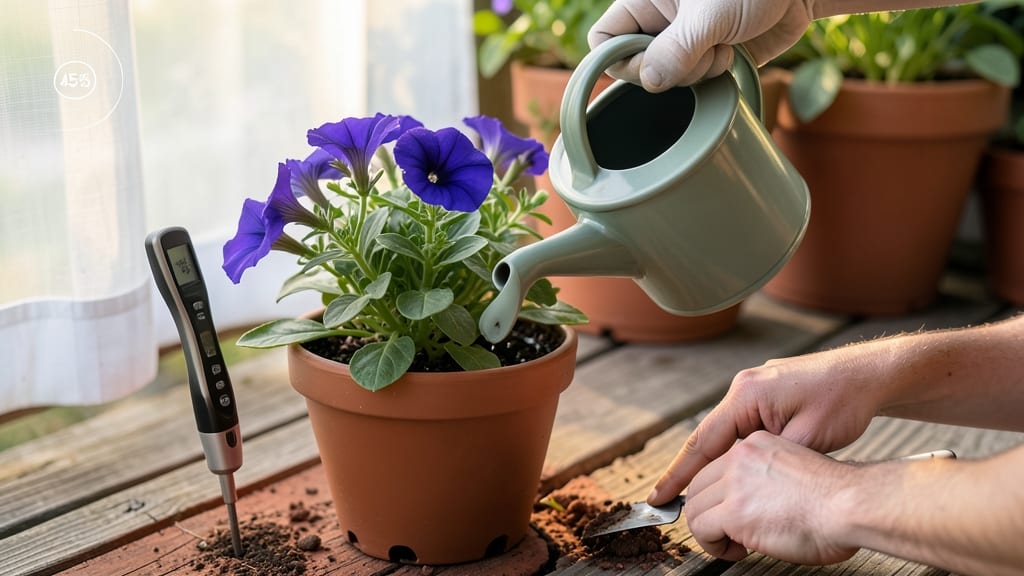
To water flowers in pots just right means the difference between vibrant blooms and sad, wilted stems—so let’s cut through the guesswork once and for all. Whether you’re dealing with thirsty impatiens or drought-tolerant succulents, your watering schedule should adapt to their needs, not the other way around.
Most gardeners overthink it, but the truth is simpler than you’d expect: consistent moisture—not rigid timing—is the real game-changer. I’ll show you how to read your plants’ signals, adjust for heatwaves or chilly mornings, and avoid the two biggest mistakes that kill potted flowers faster than pests ever could.
Think you’re doing it right? Even experienced growers miss these key clues: drooping leaves, moldy soil, or roots peeking through drainage holes. We’ll tackle those red flags head-on, plus how pot size, soil type, and even your local climate should shape your routine.
By the end, you’ll have a foolproof system that keeps your 🌸 potted flowers thriving year-round—no more dead zones or soggy bottoms. Ready to master the art of watering? Let’s get started.
How often to water potted flowers: the science behind soil moisture levels
Watering potted flowers isn't just about keeping soil damp—it's about understanding root zone saturation and evaporation rates. Unlike garden beds, potted plants dry out 3-5x faster because their roots are confined. The key is maintaining consistent moisture without drowning roots, which suffocate plants and invite fungal diseases.
Most potted flowers thrive when the top 1-2 inches of soil feel dry to the touch, but this varies by plant type and soil composition. For example, succulents need bone-dry soil between waterings, while impatiens prefer barely moist soil.
Even the same plant's needs shift with seasonal temperature changes—summer heat demands daily checks, while winter slows evaporation.
| Factor | Impact on Watering | Adjustment Tip |
|---|---|---|
| Soil Type | Clay holds moisture longer; sand drains fastest | Use well-draining mix with perlite |
| Pot Size | Larger pots retain moisture longer | Check 2-3 inches deep for small pots |
| Plant Type | Succulents need less; ferns need more | Group by water needs in containers |
| Season | Summer = daily checks; winter = weekly | Reduce by 50% in winter |
| Location | Sunny spots dry faster than shade | Move pots to partial shade in peak sun |
The finger test is your best tool for precision watering. Stick your index finger 1-2 inches deep into the soil—if it feels dry, water thoroughly until water drains from the pot's bottom.
For terracotta pots, this happens faster than in plastic, which traps moisture. Pro tip: Use a moisture meter for $10 accuracy if you're a visual learner.
Mistakes like surface watering (just wetting the top layer) create a false sense of moisture while roots stay parched. Always water until 20-30% of the pot's soil volume is saturated. For a 6-inch pot, that's about 1 cup of water per watering session.
Overwatering is just as deadly as underwatering—root rot can kill plants in 48 hours if drainage is poor.
Outdoor potted flowers face higher evaporation rates due to wind and sun, while indoor plants may need watering 20-30% less because of stable humidity. Place a humidity tray under pots in dry climates to mimic natural moisture levels. Even self-watering pots require occasional checks—they're not maintenance-free!
Seasonal adjustments are critical. In summer heat, I water my petunias every morning at 7 AM, while in winter dormancy, I skip watering entirely for succulents like echeveria.
Always observe your plants: drooping leaves often mean thirst, but yellowing leaves signal overwatering. Adjust your schedule based on these visual cues.
For container gardens with mixed species, prioritize the most water-sensitive plants first. For example, African violets need consistent moisture, while lavender thrives on neglect. Use separate pots or trays to group plants by their hydration needs. This prevents one plant from outcompeting others for water.
One final pro tip: Water in the morning between 6-9 AM to allow foliage to dry before nightfall, reducing fungal risks. Avoid evening watering, which leaves plants vulnerable to powdery mildew. With these science-backed adjustments, your potted flowers will stay perfectly hydrated without guesswork. 🌸
Seasonal watering schedule for potted flowers: month-by-month guide
Watering your potted flowers isn't one-size-fits-all—it changes dramatically with the seasons. In summer's heat, your impatiens might need daily watering, while succulents in winter can survive on just weekly watering.
The key is understanding how sunlight exposure, humidity levels, and plant types interact to determine your watering schedule. Let's break it down month by month so you can keep your blooms thriving year-round.
Your potted plants lose moisture faster than garden beds because they have limited soil volume. Evaporation rates skyrocket in summer, while humidity drops in winter can slow water loss.
Even the same plant type—like petunias—will need different care depending on whether it's basking in full sun or sitting in partial shade. That's why this schedule adjusts for both seasonal shifts and plant-specific needs.
In spring, your potted flowers are waking up from dormancy, so focus on deep watering to encourage root growth.
Use your finger to check the top 1-2 inches of soil—if it's dry, it's time to water. Succulents and cacti are the exception here; they prefer drier conditions even in spring, so cut their watering in half compared to thirsty bloomers like impatiens.
When summer heat arrives, your watering routine needs to shift to daily checks for most potted plants. The soil dries out faster in smaller containers, and evaporation rates can double on sunny days.
A trick I use is to place a moisture meter in my largest pots—when it reads dry, I water deeply